Lemongrass: Stalk, Slice, Bruise
Flavor role, buying tips, storage, and substitutions for Balinese cooking
Lemongrass perfumes pastes, grills, and sambals. Use the tender white lower stalk for eating; use upper stalk for bruising in pots.
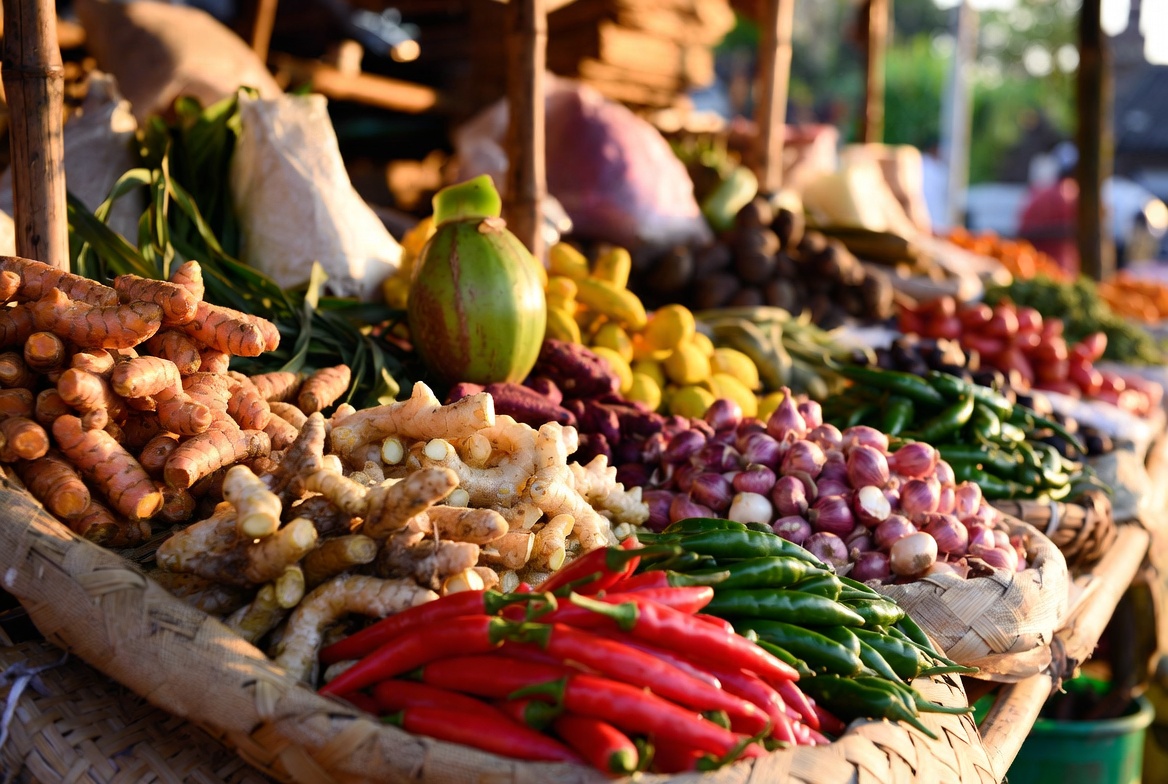
Flavor role in Balinese cooking
Lemongrass perfumes pastes, grills, and sambals. Use the tender white lower stalk for eating; use upper stalk for bruising in pots.
How to buy and store
- Choose firm heavy stalks
- Remove dry outer layers
- Freeze chopped white parts
Smart substitutions
- Lemongrass paste as backup
- Lemon zest is a weak substitute
Where it shows up
- Sambal matah
- Sate lilit
- Broths
Want to practice this with your hands on the mortar? Start at the cooking class Bali hub, then book an in-villa session via myCHEF cooking class.
Related guides
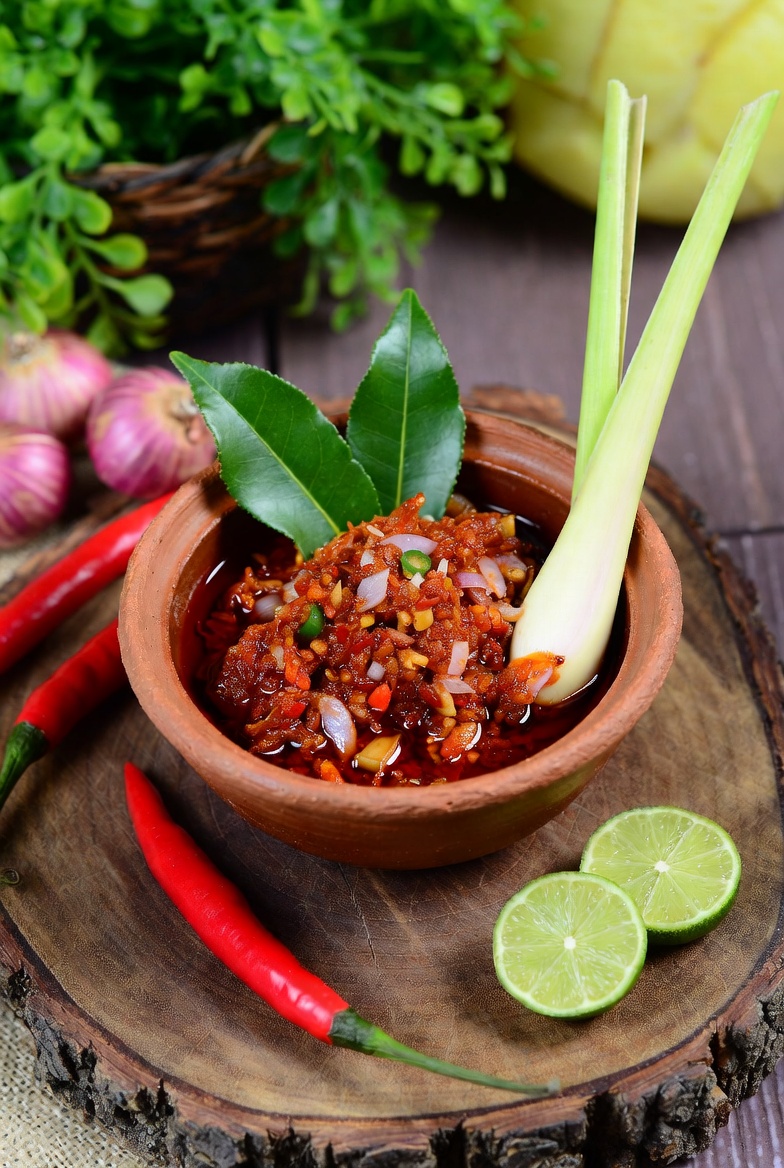
Sambal Matah Recipe (Authentic Balinese Raw Sambal)
Shallot, chili, lemongrass, citrus, and warm oil—bright heat that transforms rice and grill plates
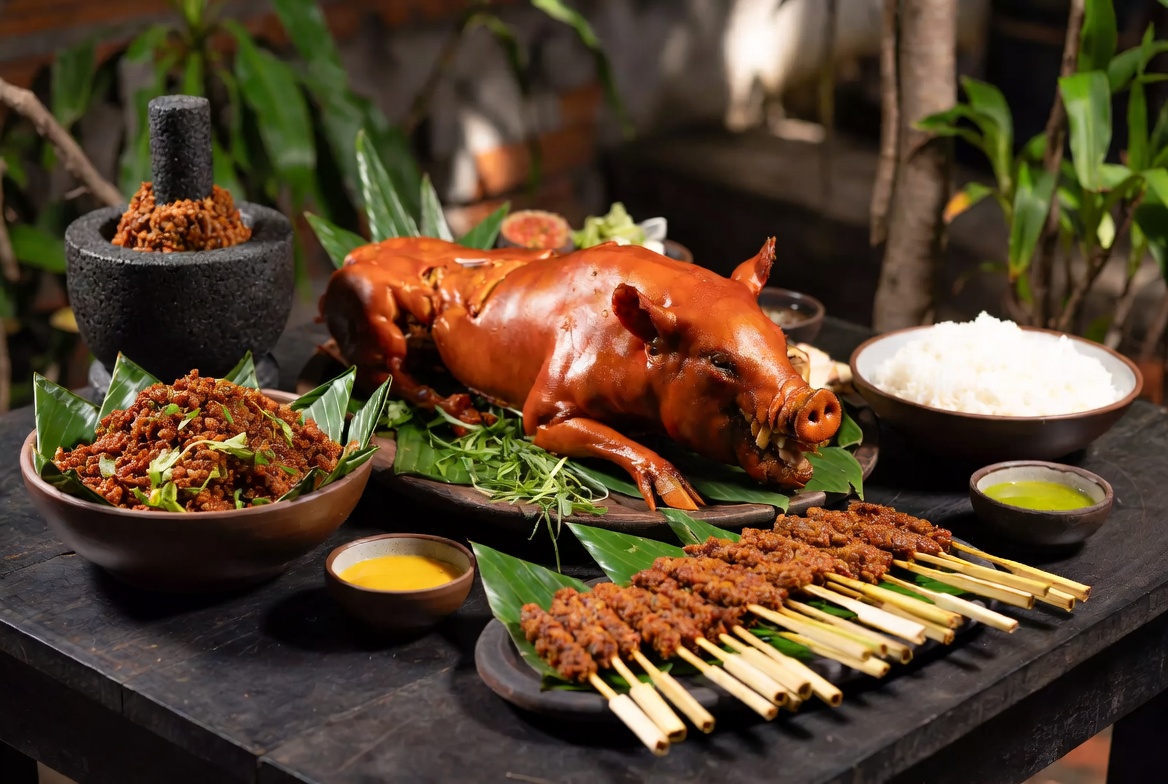
Sate Lilit Recipe: Balinese Minced Satay on Lemongrass
The minced, aromatic satay that defines Bali’s grill culture

How Much Does a Cooking Class in Bali Cost? (2026)
Group, private, in-villa, and resort bands — what the headline price hides, and how to get an all-in quote
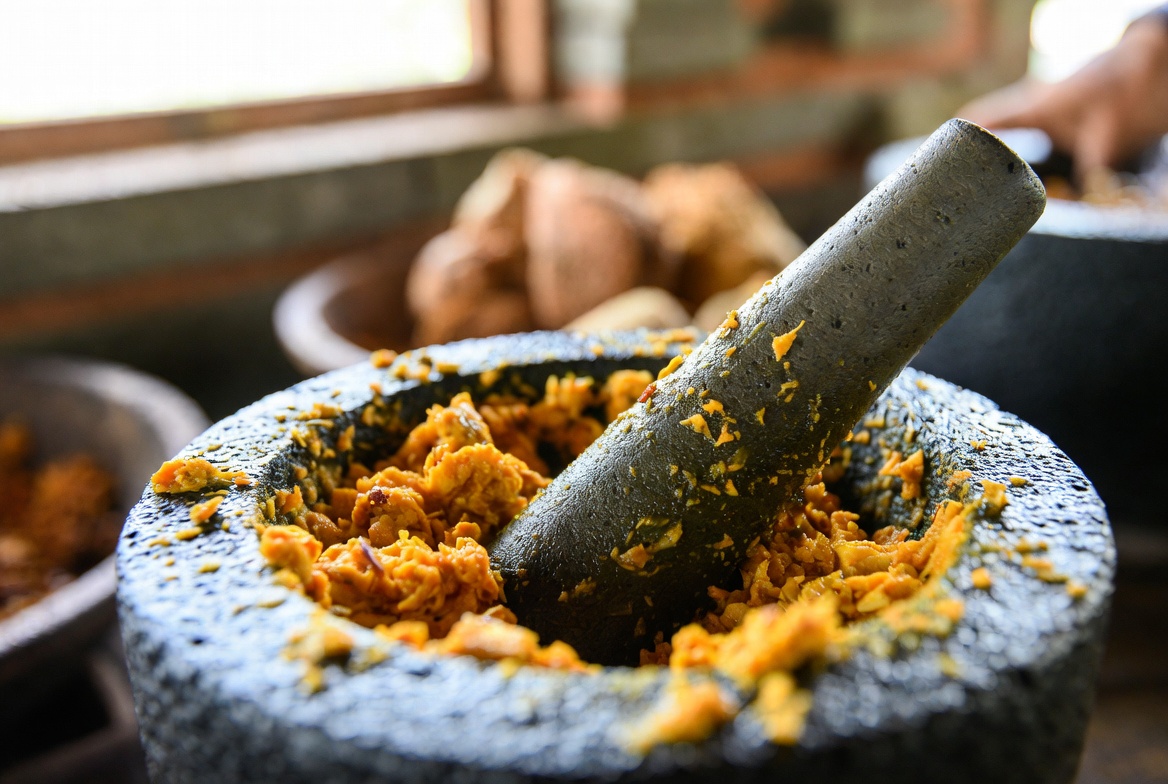
Is a Cooking Class in Bali Worth It?
When paste literacy beats a US$3 warung lunch — and when you should skip the class
Private Chef or Cooking Class in Bali? How to Choose
A chef who cooks for you versus a chef who teaches you — cost per group, villa logistics, and when to book both
Base Genep (Basa Genep): Bali’s Complete Spice Paste Guide
Ingredients, practical ratios, mortar vs blender, frying cues, storage, and the dishes it unlocks