Base Genep (Basa Genep): Bali’s Complete Spice Paste Guide
Ingredients, practical ratios, mortar vs blender, frying cues, storage, and the dishes it unlocks
Base genep (basa genep, base gede) is Bali’s versatile savory paste. Think of it as infrastructure: once you can grind and fry a balanced batch, chicken, pork, vegetables, satay mixtures, and many ceremonial dishes become reachable.
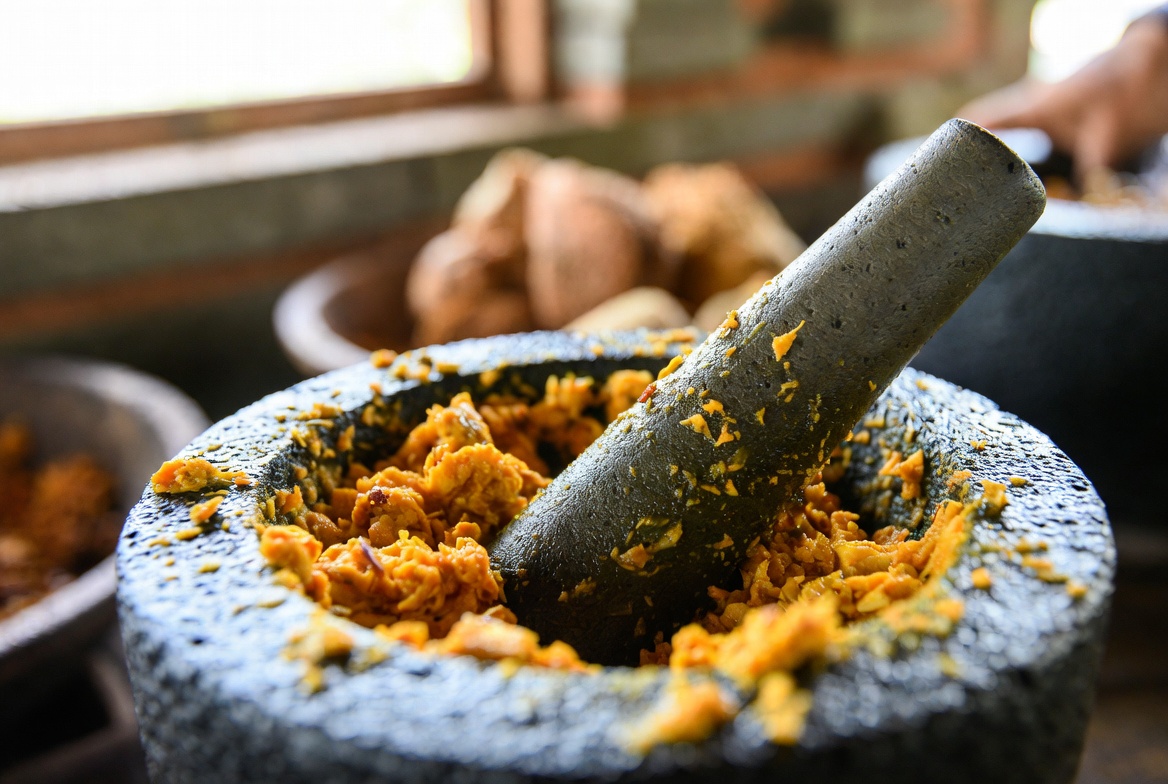
What base genep is—and why it is the keystone
Base genep (basa genep, base gede) is Bali’s versatile savory paste. Think of it as infrastructure: once you can grind and fry a balanced batch, chicken, pork, vegetables, satay mixtures, and many ceremonial dishes become reachable.
Names vary by household and teacher. What stays consistent is the idea of a complete aromatic base cooked in oil until the raw edge is gone and perfume blooms.
Ingredient roles (not just a shopping list)
Shallots and garlic build sweetness and backbone. Turmeric colors and earths. Galangal adds piney sharpness ginger alone cannot replace. Ginger warms. Kencur (lesser galangal) is a specifically Balinese perfume note—small amounts matter. Chilies supply heat and fruitiness. Candlenuts enrich body. Coriander and pepper add dry spice lift. Lemongrass brightens. Shrimp paste (terasi) supplies deep savoriness. Palm sugar and salt finish balance.
A practical home batch (approx. 6–8 servings of paste base)
Treat this as a starting template, then keep a notebook of your chili count and salt. Family recipes differ.
- 8–10 small red shallots
- 6–8 garlic cloves
- 3–4 cm fresh turmeric (or 1–1.5 tsp high-quality powder)
- 3 cm galangal
- 2 cm ginger
- 1–2 cm kencur if available
- 4–6 red chilies + 3–8 bird’s eye chilies (to taste)
- 3–4 candlenuts (or macadamias)
- 1 tsp coriander seed, 1/2 tsp white pepper
- 1 lemongrass stalk (tender white part)
- 1/2–1 tsp roasted shrimp paste
- 1 tsp palm sugar + salt to taste
- Oil for frying (coconut or neutral)
Method: grind
Slice hard rhizomes thin. Traditional cobek pounding creates an elastic, oily paste. A food processor works if you avoid turning the paste into soup—pulse, scrape, and add a spoon of oil rather than cups of water.
Target texture: cohesive, speckled, thick enough to sit on a spoon.
- Toast or roast shrimp paste briefly until aromatic (not burnt).
- Pound or blend dry spices/nuts, then rhizomes, then alliums and chilies.
- Finish with lemongrass and seasonings until even.
- Taste raw only carefully; final judgment happens after frying.
Method: fry (the make-or-break step)
Heat oil over medium. Add paste and cook, stirring, until the raw onion-garlic edge disappears, color deepens, and oil begins to separate at the edges. If it sticks, lower heat and add a splash of oil—not a flood of water.
Burnt turmeric and chili create bitterness you cannot fully fix. Undercooked paste tastes harsh in every dish downstream.
Storage and batch cooking
Refrigerate cooked paste several days in a clean jar. Freeze in cubes or flat bags labeled with heat level and date. Weeknight Balinese cooking becomes realistic when Sunday paste meets Tuesday chicken.
Troubleshooting
- Bitter: heat too high or chili/turmeric scorched—start a smaller fresh batch and blend carefully next time
- Flat: needs salt, palm sugar, or shrimp paste; or paste was under-fried
- Watery dishes: paste was diluted; cook longer to reduce before adding protein liquids
- Too hot: reduce bird’s eye next batch; serve mild sambal on the side rather than spiking the base
- Not “Balinese” enough: check galangal/kencur/lemongrass quality and fry time
What to cook after your first successful batch
Ayam suwir, vegetable urab, grilled fish with paste under the skin, simplified satay mixes, and later tum or oven betutu. Link each dish back to frying cues until they are muscle memory.
Want to practice this with your hands on the mortar? Start at the cooking class Bali hub, then book an in-villa session via myCHEF cooking class.
Frequently asked questions
Can I make base genep without kencur?
Yes for practice, but aroma will be less specifically Balinese. Use a little extra galangal and note the difference.
Is a blender acceptable?
Yes if you minimize water and fry thoroughly. Many modern home cooks blend then finish in the pan.
How long does base genep keep?
Cooked paste keeps several days refrigerated and months frozen if well sealed.
Is shrimp paste mandatory?
Traditional savory depth often relies on it. Vegetarian experiments can use other umami strategies, but the flavor profile changes.
What oil should I use?
Coconut oil is classic in many kitchens; neutral oil also works. Use enough to bloom, not deep-fry endlessly.
Can I use powdered turmeric only?
Powder works in a pinch; fresh turmeric tastes brighter. Avoid generic curry powder as a substitute for the whole paste.
Why does restaurant paste taste deeper?
Often better frying time, fresher rhizomes, and confident salt/umami balance—not secret powders.
How much paste per 500g protein?
Start with 2–4 tablespoons cooked paste and adjust; long cooks may want more.
Can children eat base genep dishes?
Yes if you keep chili low in the base and offer heat as a separate sambal.
Base genep vs Thai curry paste?
Different cuisines and herb/spice balances. Do not swap 1:1 and expect Balinese results.
Related guides
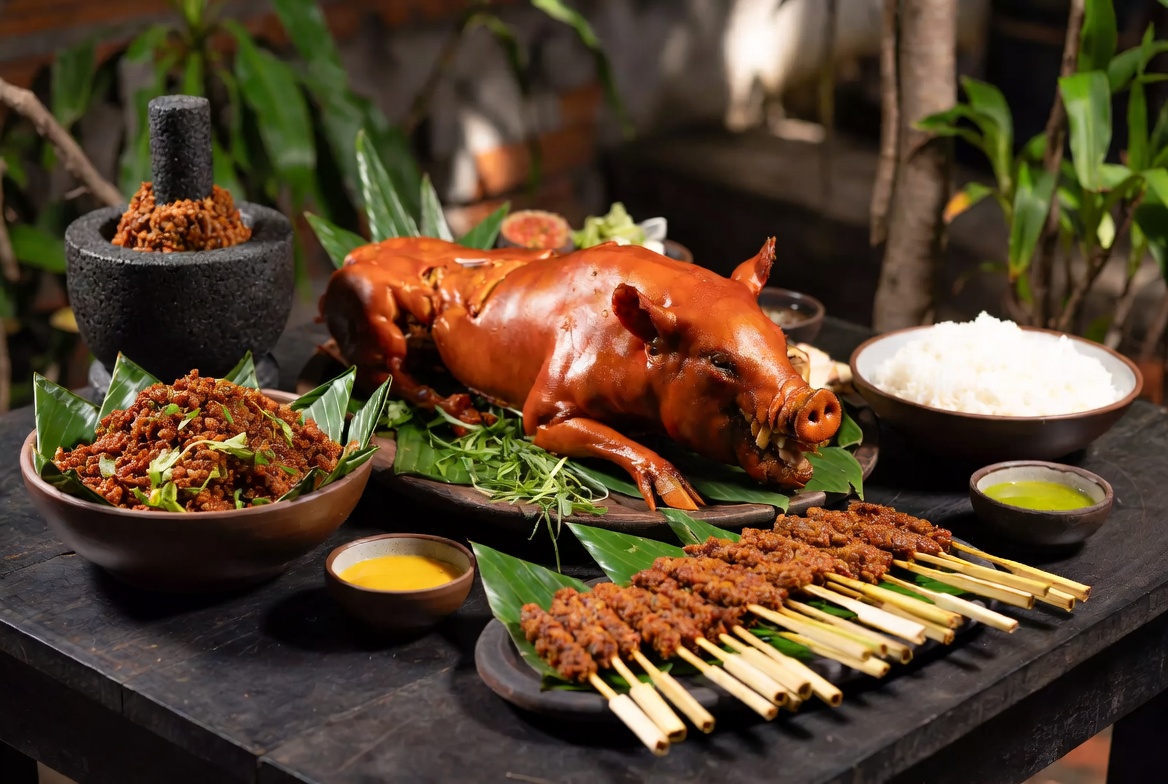
Balinese Cuisine: The Complete Guide
History, philosophy, base genep, ceremonial feasts, daily warung food, regional differences, and how to cook Bali flavors at home
How to Make Base Genep Step by Step
A practical technique guide for authentic results at home
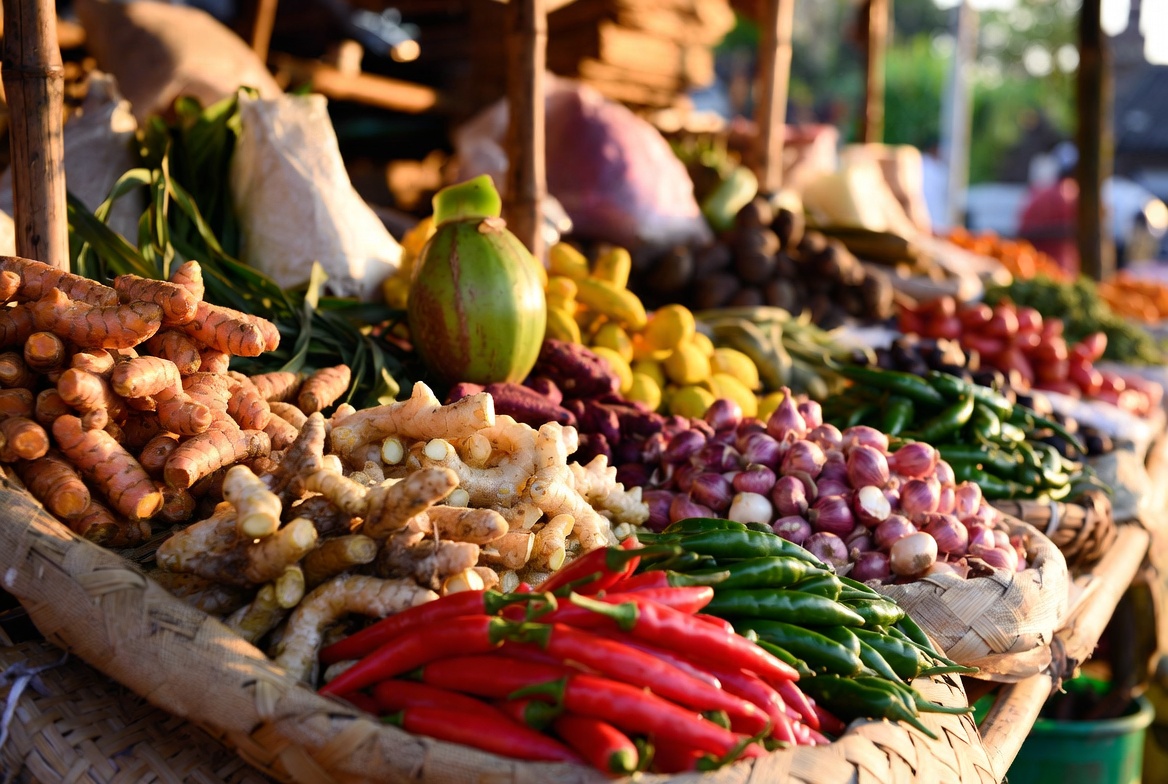
Candlenut (Kemiri) Guide
Flavor role, buying tips, storage, and substitutions for Balinese cooking
Galangal in Balinese Cooking
Flavor role, buying tips, storage, and substitutions for Balinese cooking
Balinese Cooking Techniques
Mortar pounding, banana-leaf wrapping, slow spice cooking, and fire methods
How to Fry Bumbu Correctly
A practical technique guide for authentic results at home