Sambal Matah Recipe (Authentic Balinese Raw Sambal)
Shallot, chili, lemongrass, citrus, and warm oil—bright heat that transforms rice and grill plates
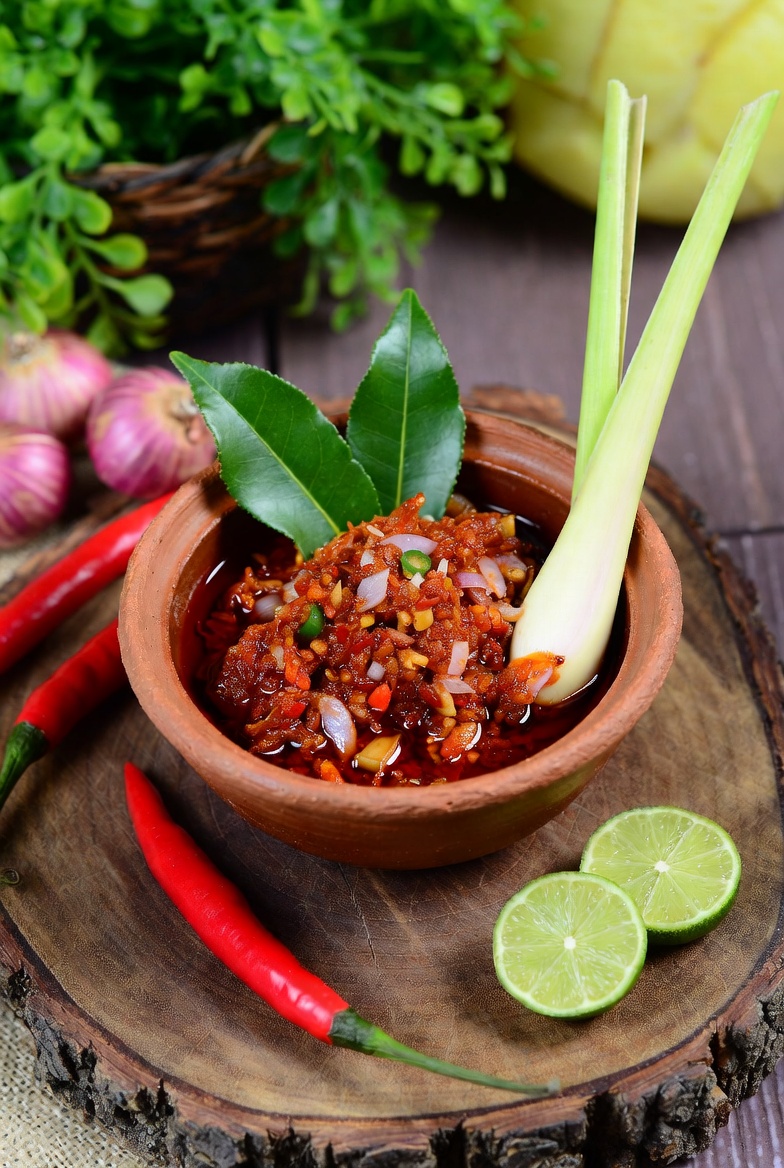
Sambal matah is Bali’s celebrated raw sambal: thinly sliced shallots and chilies dressed with lemongrass, oil, salt, citrus, and often a touch of roasted shrimp paste or lime leaf. It should taste electric and aromatic—not soggy, muddy, or purely painful.
What sambal matah is
Sambal matah is Bali’s celebrated raw sambal: thinly sliced shallots and chilies dressed with lemongrass, oil, salt, citrus, and often a touch of roasted shrimp paste or lime leaf. It should taste electric and aromatic—not soggy, muddy, or purely painful.
It is one of the fastest ways to train a Balinese palate because there is nowhere to hide: knife work, chili quality, and oil temperature show immediately.
Ingredients (home batch, ~4 as condiment)
- 6–8 small red shallots (about 80–100g), thinly sliced
- 5–12 bird’s eye chilies, sliced (start low if unsure)
- 1 lemongrass stalk, tender white part only, very thinly sliced
- 2 kaffir lime leaves, rib removed, fine chiffonade (optional)
- 1/2 tsp roasted shrimp paste, crumbled (optional)
- 2–3 tbsp coconut oil or neutral oil, warm—not smoking
- Lime or calamansi juice to taste
- Salt to taste
Step-by-step method
- Slice shallots and chilies thinly and evenly for consistent texture and heat distribution.
- Bruise lemongrass, peel tough layers, slice the pale core paper-thin.
- Combine aromatics with salt and shrimp paste if using; toss to lightly wilt shallots.
- Warm oil until fluid and fragrant; pour over the mixture to bloom aromatics.
- Add lime juice; taste for salt, heat, and brightness against a spoon of rice.
- Serve immediately with grilled foods, fried proteins, or nasi campur-style plates.
Heat control and mild versions
Remove some chili membranes/seeds, swap part of the bird’s eye for milder red chili, or serve the sambal on the side. For mixed groups, keep a hot bowl and a mild bowl.
Common mistakes
- Smoking-hot oil that fries shallots into sweetness and kills freshness
- Chunky uneven cuts that make every bite unpredictable
- Too much lime too early making the mix watery
- Skipping salt—shallots taste raw and hollow
- Letting it sit for hours before service (texture softens; fine for some, not ideal for peak brightness)
What to serve with sambal matah
- Grilled fish or chicken
- Fried tempeh and eggs
- Leftover rice plates
- Babi guling-style rich pork plates (as contrast)
- Simple steamed greens
Make-ahead
Slice aromatics ahead and refrigerate dry. Combine with warm oil and lime close to serving. Leftovers keep a day refrigerated; refresh with a squeeze of lime if needed.
Learning path
After sambal matah, learn base genep frying and a simple shredded chicken. That trio—condiment, paste, protein—covers most weeknight Bali-inspired cooking.
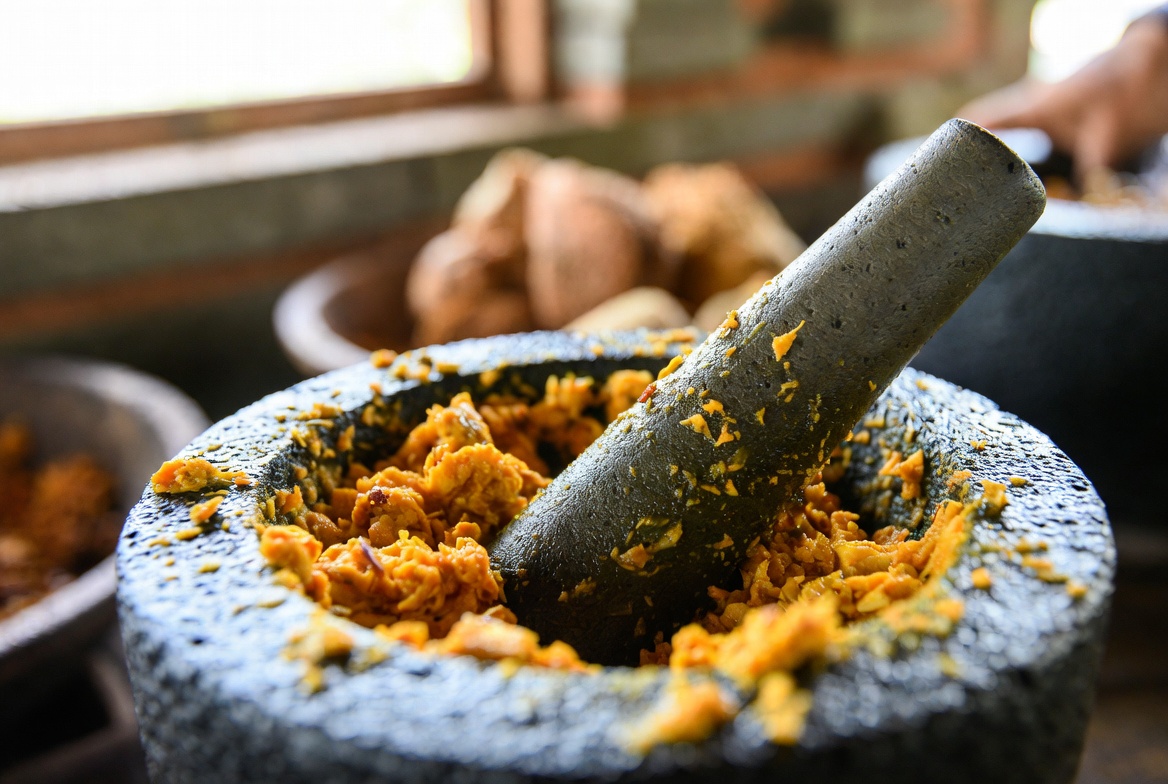
Want to practice this with your hands on the mortar? Start at the cooking class Bali hub, then book an in-villa session via myCHEF cooking class.
Frequently asked questions
What is sambal matah?
A Balinese raw sambal of shallot, chili, lemongrass, oil, and citrus—fresh and aromatic rather than long-cooked.
Is sambal matah very spicy?
It can be. Control heat with chili quantity and serve on the side.
Can I make it without shrimp paste?
Yes. You will lose some savoriness; adjust salt and lime.
Which oil is best?
Light coconut oil or neutral oil, warmed to bloom aromatics.
How long does it keep?
Best the day it is made; refrigerate up to about 24 hours.
Sambal matah vs sambal terasi?
Matah is raw/fresh; many terasi sambals are cooked and deeper/funkier.
Can I use red onion?
In a pinch; slice thin and optionally soak briefly to tame sharpness.
What protein pairs best?
Grilled fish and chicken are classic; eggs and tempeh work well too.
Why is my sambal watery?
Excess lime, wet alliums, or long resting. Dress closer to serving.
Is it vegan?
Only if you omit shrimp paste.
Do I need kaffir lime leaf?
Optional but excellent for perfume.
Can I batch it for a party?
Prep components separately; combine near service for best texture.
Related guides
Mastering Balinese Sambal
Sambal matah, embe, and the condiment culture that defines every plate
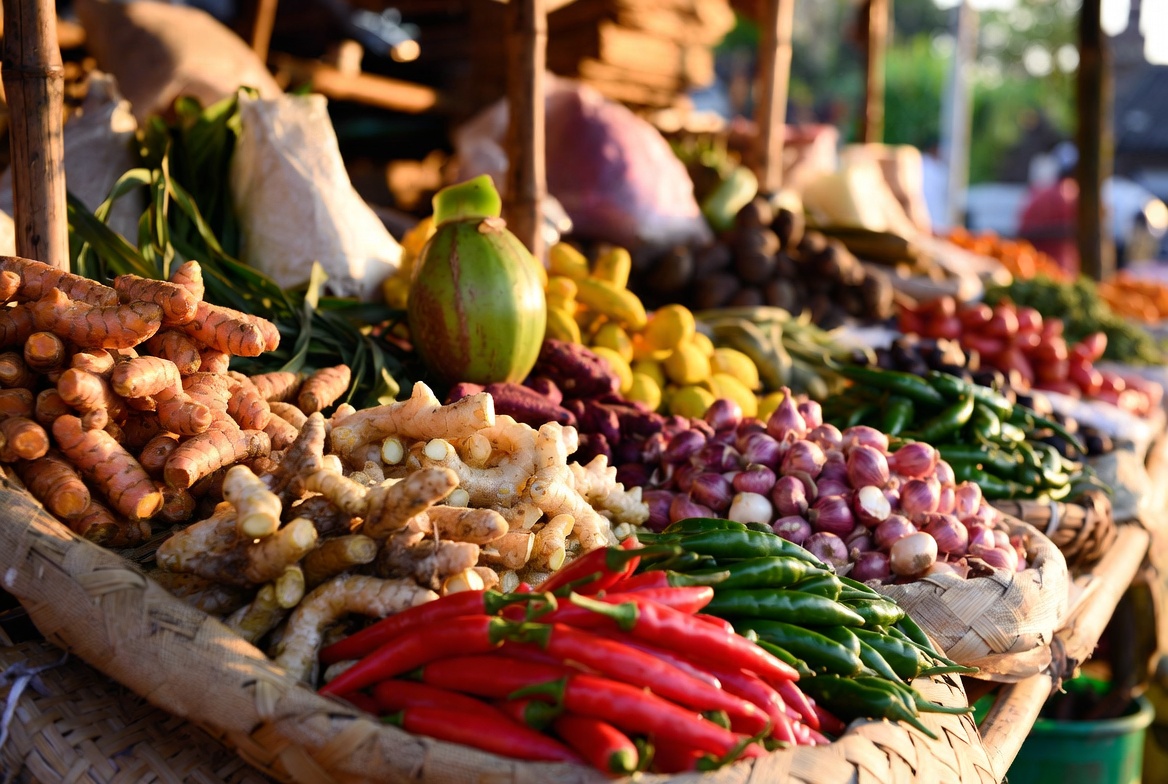
Lemongrass: Stalk, Slice, Bruise
Flavor role, buying tips, storage, and substitutions for Balinese cooking
Chilies in Balinese Cooking
Flavor role, buying tips, storage, and substitutions for Balinese cooking
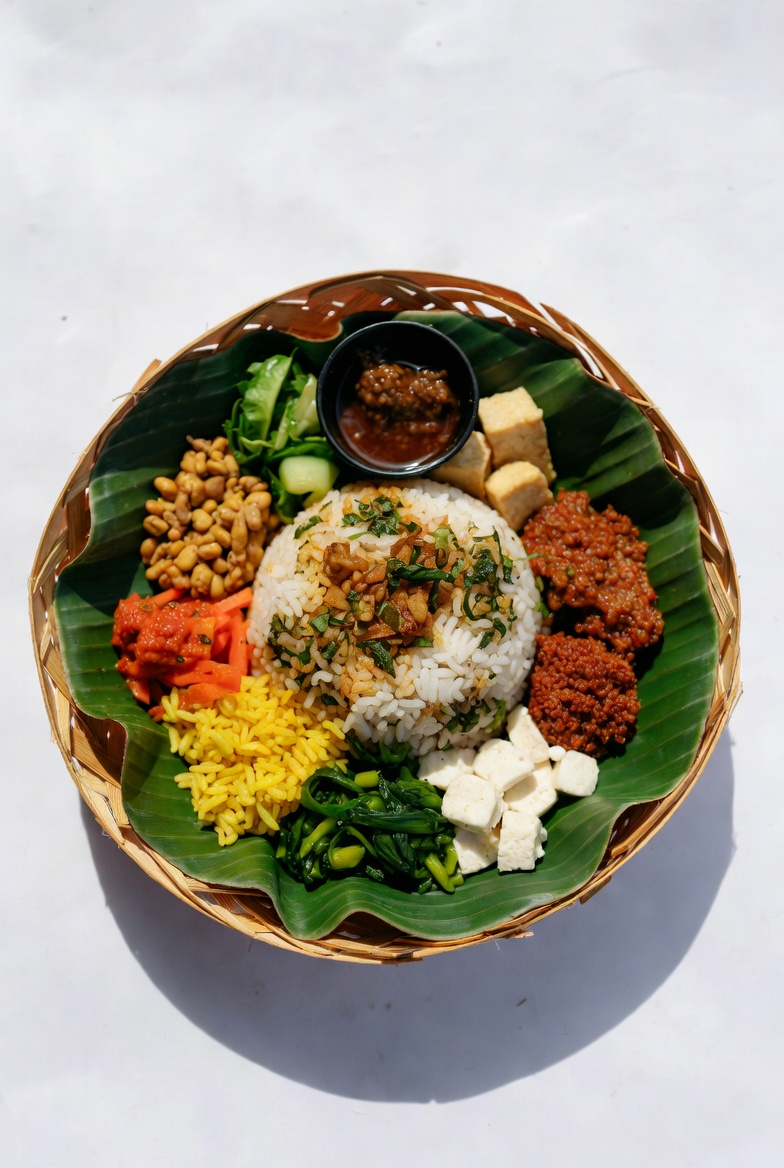
Nasi Campur Bali: How to Build the Perfect Plate
Composition, side dishes, and the art of balance on one tray
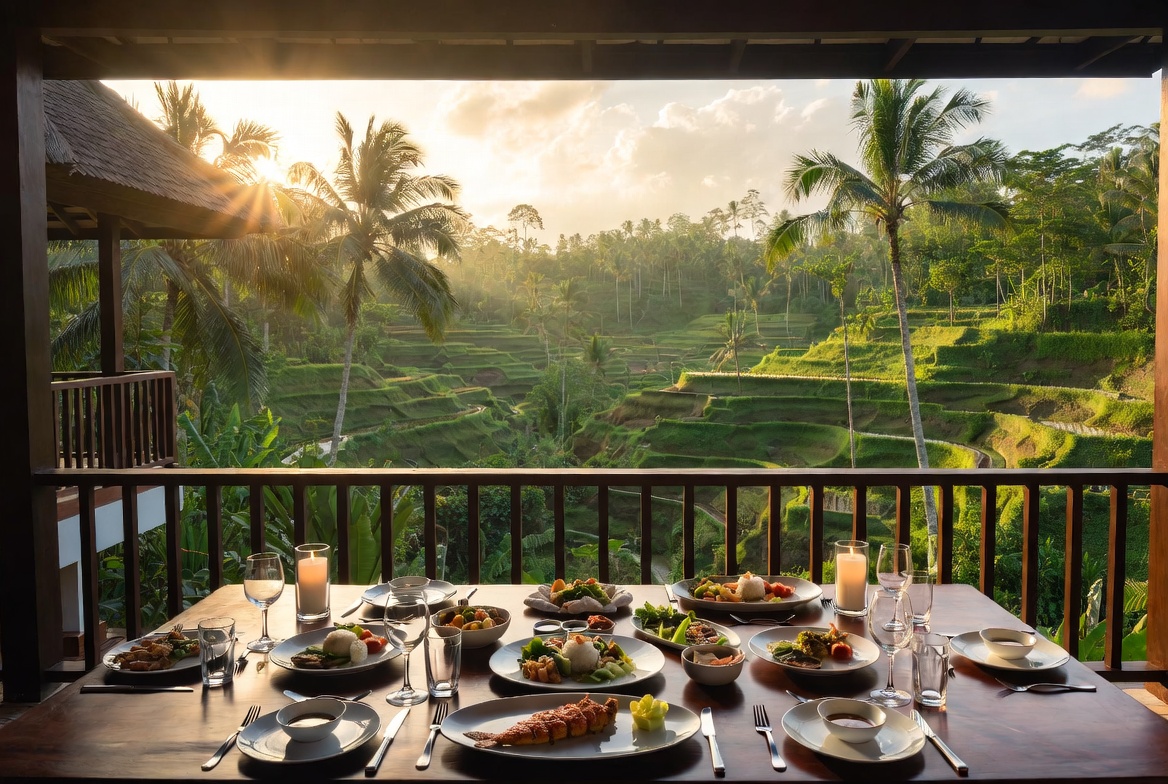
How Much Does a Cooking Class in Bali Cost? (2026)
Group, private, in-villa, and resort bands — what the headline price hides, and how to get an all-in quote
Is a Cooking Class in Bali Worth It?
When paste literacy beats a US$3 warung lunch — and when you should skip the class