Indonesian Street Food Guide: How to Taste with Confidence
Sate, fried snacks, soups, sweet stalls, and smart traveler habits
Stalls teach speed, charcoal, and condiment culture. Watch turnover: busy is often a quality signal. Notice whether sambal is bright and oil is clean.
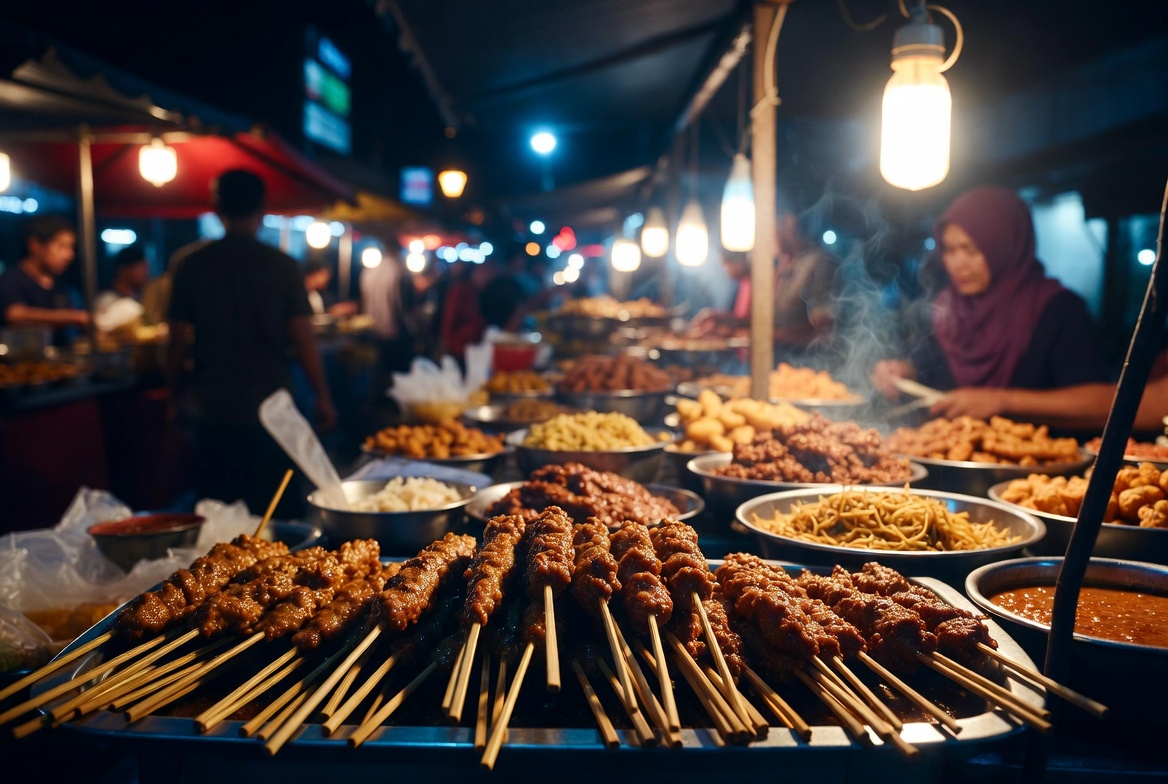
Street food is a classroom
Stalls teach speed, charcoal, and condiment culture. Watch turnover: busy is often a quality signal. Notice whether sambal is bright and oil is clean.
Iconic street categories
- Sate stalls — skewer + sauce diversity
- Fried snacks — bakwan, tempe mendoan, and local fritters
- Noodle and rice carts — including nasi goreng dialects
- Soto and soup stalls — morning and night comfort
- Sweets and drinks — modern and traditional
Traveler judgment calls
Choose busy stalls, cooked-to-order heat, and water-safe drinks you trust. If your stomach is sensitive, build up gradually. Street food is not “less authentic” than restaurants—just a different craft.
Bali notes
Tourist corridors mix excellent and mediocre. Walk a few streets off the loudest strip, or ask where staff eat. Pair street tasting with market mornings for produce literacy.
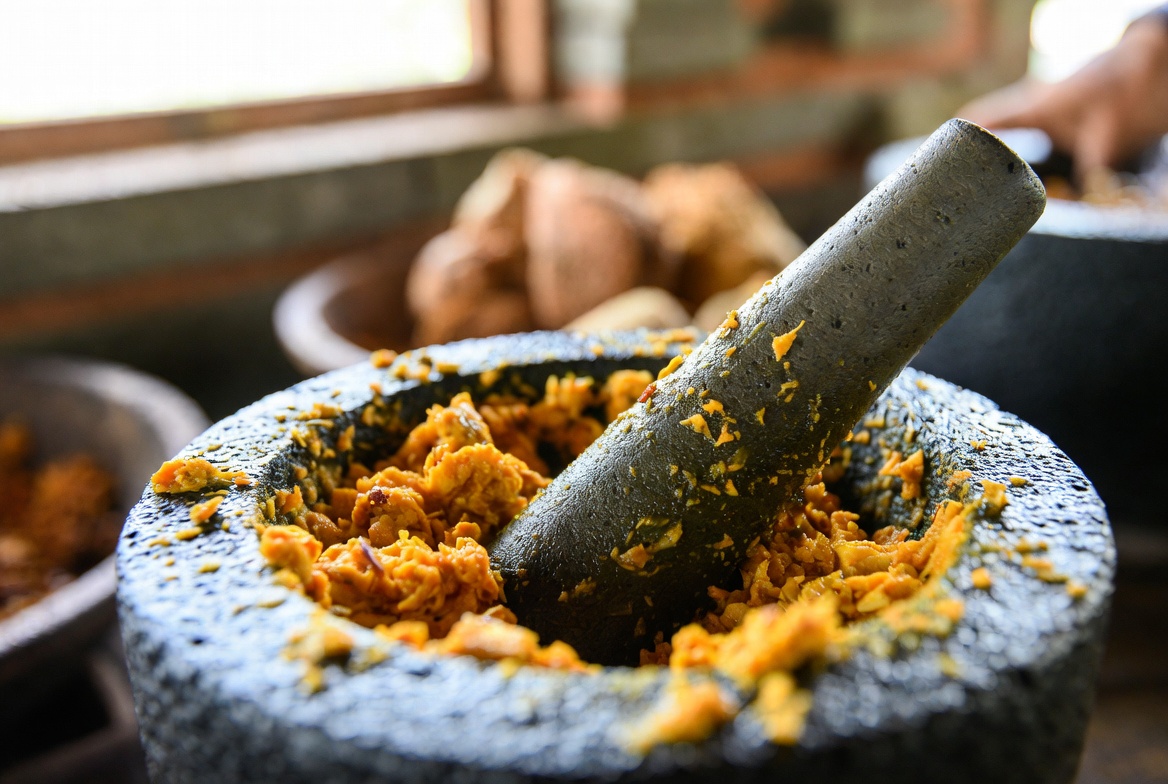
Want to practice this with your hands on the mortar? Start at the cooking class Bali hub, then book an in-villa session via myCHEF cooking class.
Frequently asked questions
Is Indonesian street food safe?
Many locals eat it daily; use sensible judgment: heat, turnover, cleanliness signals.
What should first-timers try?
Sate, a simple fried rice or noodle, and a popular snack stall with a line.
How do I order if I don’t speak Indonesian?
Pointing, numbers, and politeness work; learn a few food words.
Vegetarian street options?
Tempeh/tofu fritters and some vegetable dishes—confirm cooking oils and pastes.
Best time for street food?
Evening markets are classic; some soups are morning culture.
Should I avoid ice?
Personal risk tolerance; many travelers choose sealed drinks if unsure.
Is street food cheap?
Usually more affordable than tourist restaurants; prices vary by area.
How spicy will it be?
Ask for less chili; sambal is often separate.
Can kids eat street food?
Choose milder, thoroughly cooked items and familiar textures first.
Street food vs cooking class?
Street food teaches tasting; classes teach reproduction.
Related guides
Indonesian Food: The Complete Educational Guide
Archipelago cuisines, core techniques, essential dishes, ingredients, and how Bali fits the bigger map
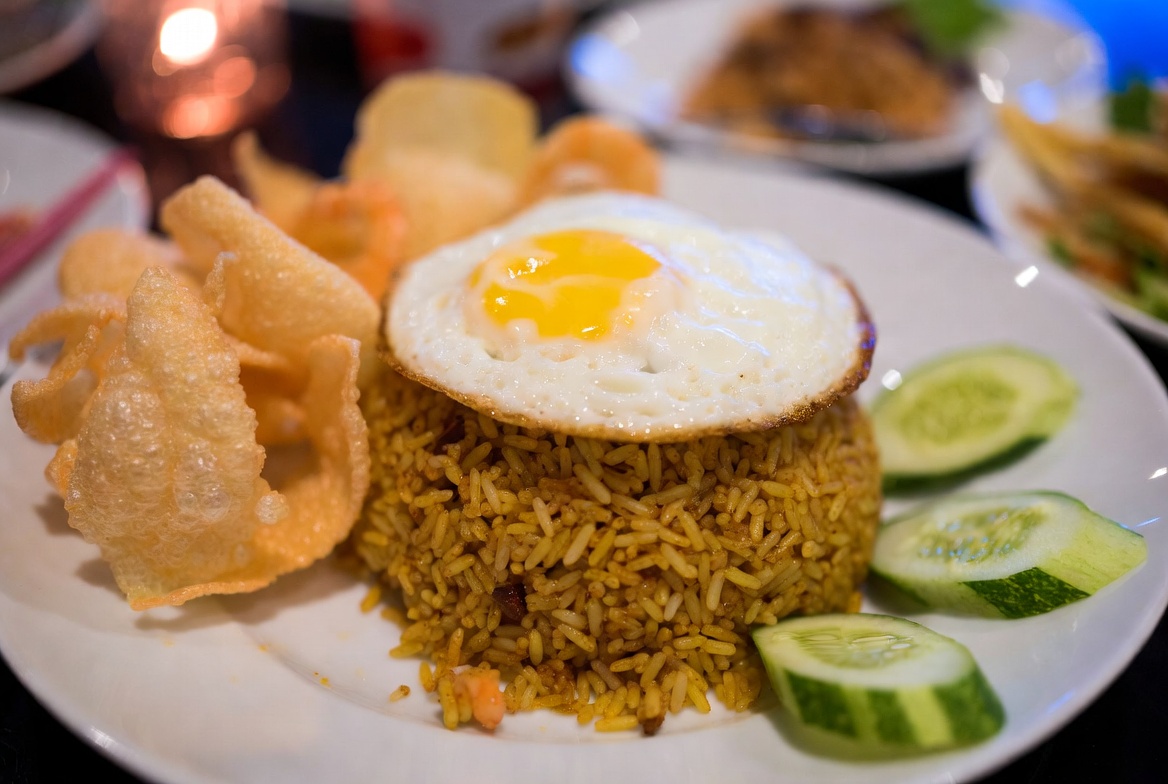
Nasi Goreng: Authentic Indonesian Fried Rice Guide
Wok heat, kecap manis, leftover rice, and regional variations
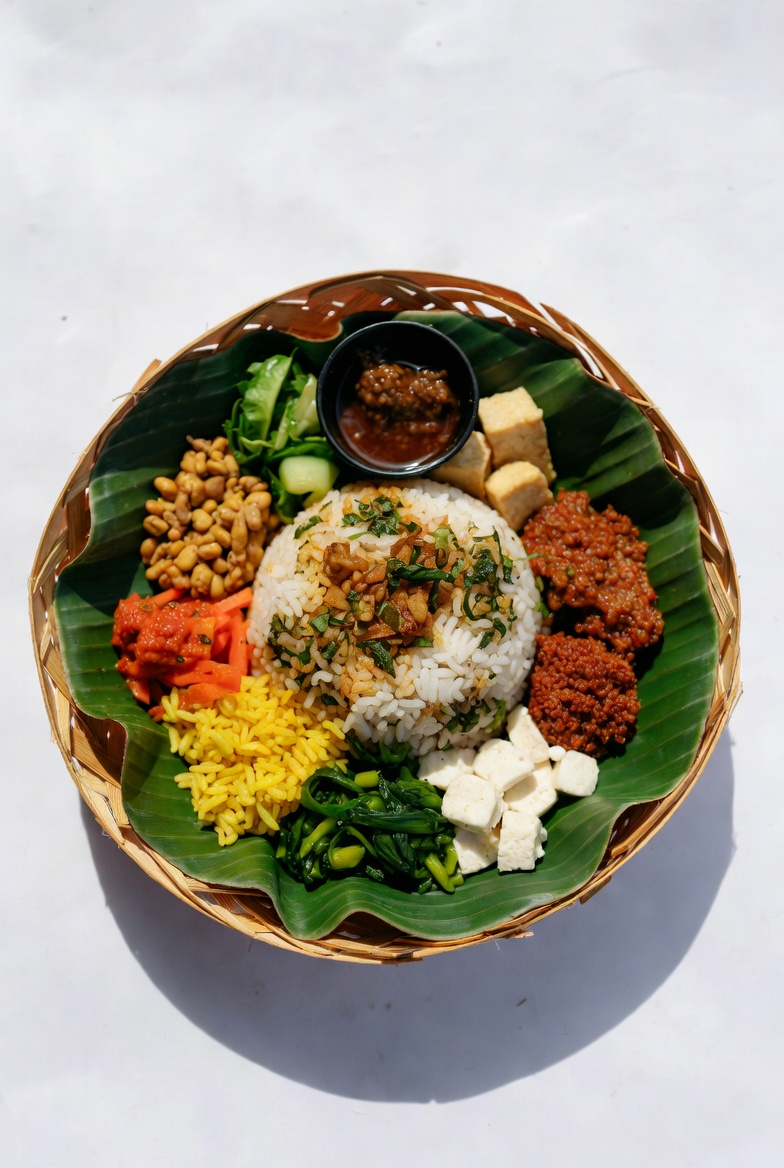
Warung Culture: Everyday Balinese Eating
Culture, context, and meaning behind the Balinese table
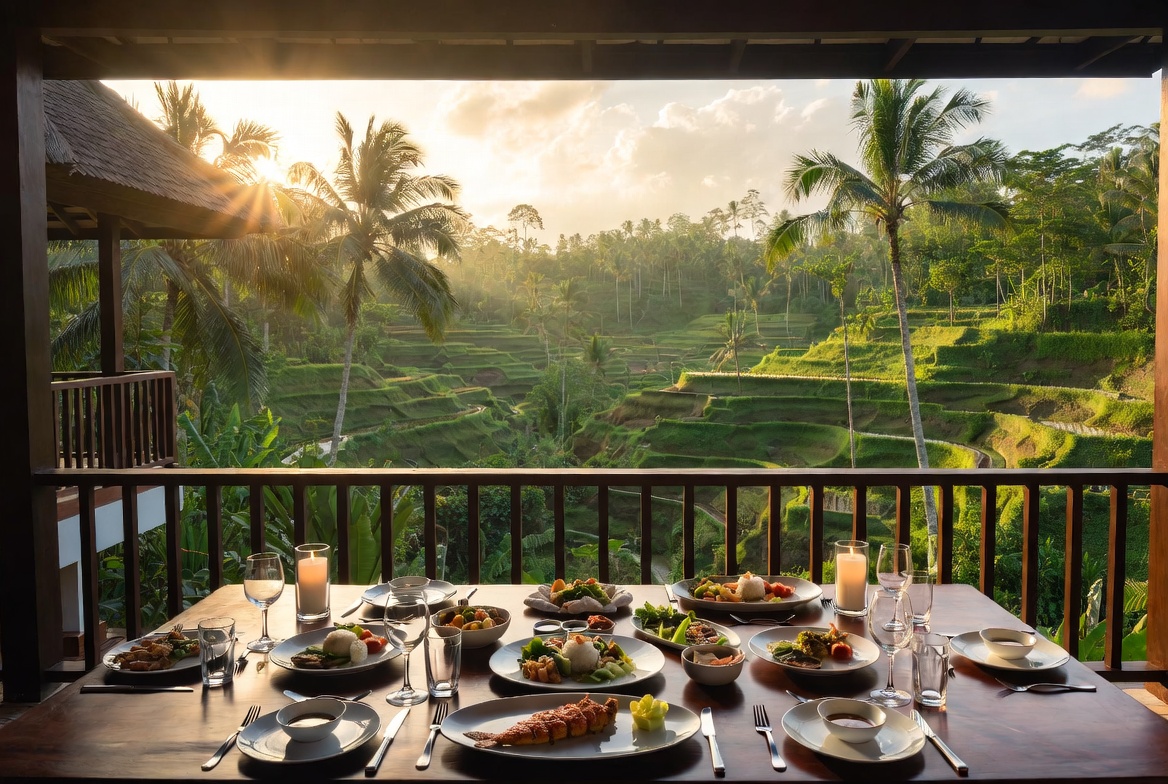
How Much Does a Cooking Class in Bali Cost? (2026)
Group, private, in-villa, and resort bands — what the headline price hides, and how to get an all-in quote
Is a Cooking Class in Bali Worth It?
When paste literacy beats a US$3 warung lunch — and when you should skip the class
Private Chef or Cooking Class in Bali? How to Choose
A chef who cooks for you versus a chef who teaches you — cost per group, villa logistics, and when to book both