Indonesian Food: The Complete Educational Guide
Archipelago cuisines, core techniques, essential dishes, ingredients, and how Bali fits the bigger map
“Indonesian food” is a convenient English umbrella for a maritime continent of kitchens: Minangkabau, Javanese, Sundanese, Balinese, Manadonese, Bugis-Makassar, Chinese-Indonesian, and many more. Chili heat, coconut use, souring agents, and preferred proteins shift by island, religion, trade history, and climate.
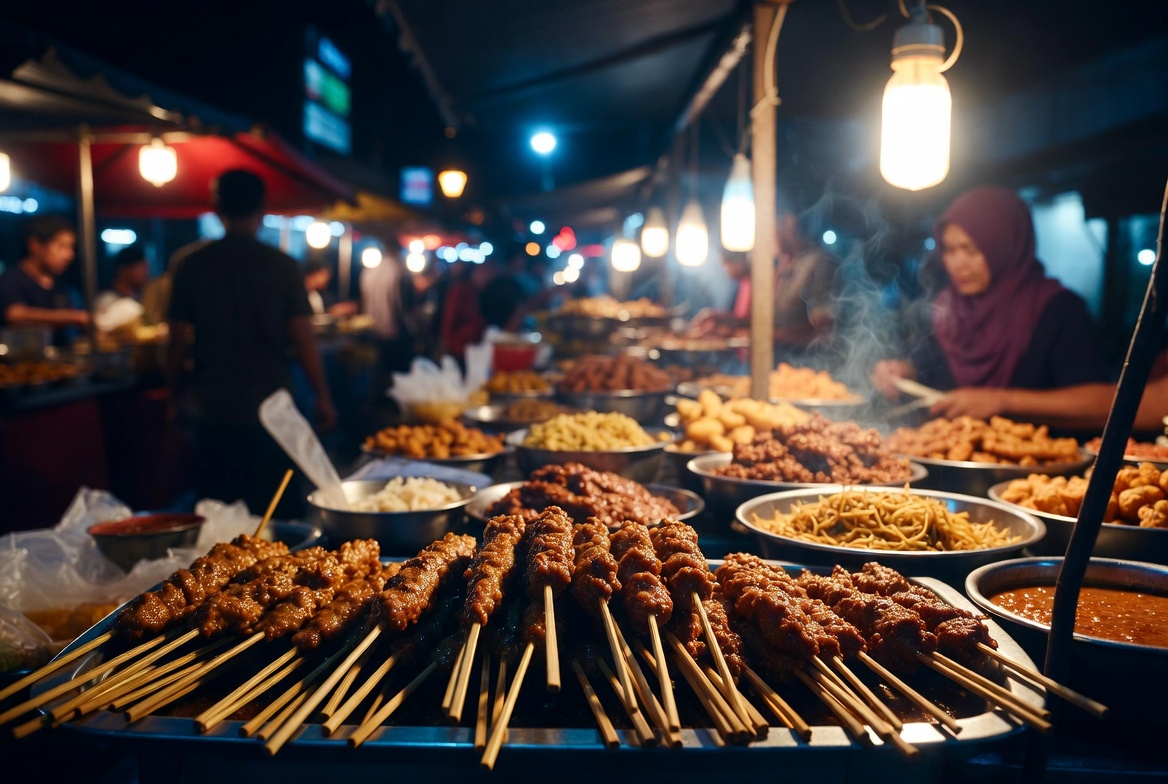
Indonesia is not one cuisine
“Indonesian food” is a convenient English umbrella for a maritime continent of kitchens: Minangkabau, Javanese, Sundanese, Balinese, Manadonese, Bugis-Makassar, Chinese-Indonesian, and many more. Chili heat, coconut use, souring agents, and preferred proteins shift by island, religion, trade history, and climate.
This pillar helps you navigate without collapsing everything into nasi goreng and satay—while still giving you practical entry points you can cook this month.
Shared grammar across many islands
- Bumbu / rempah — spice pastes and aromatic bases
- Sambal — condiment culture as a second kitchen
- Rice as center — dishes designed to be eaten with nasi
- Ferments & umami — tempeh, shrimp paste, soy sauces, cured elements
- Fire & fry — grilling, wok heat, and crisp textures
- Leaf & steam — banana leaf parcels and gentle steaming across regions
Regional compass (starter map)
Sumatra: bold coconut and chili traditions (including rendang’s Minangkabau home). Java: refined sweets, aromatic soups, street snacks, courtly and rural contrasts. Bali: base genep and ceremonial complexity. Sulawesi: vibrant Manado heat and coastal brilliance. Beyond: endless local genius.
Travelers who learn this compass taste better and cook with fewer false assumptions.
Essential dishes to understand (not merely Instagram)
- Nasi goreng — national comfort with local dialects
- Sate — skewered grilled meats with regional sauces
- Rendang — slow caramelized coconut-spice mastery
- Gado-gado — peanut-sauce vegetable composition
- Soto — aromatic soup family across islands
- Tempeh dishes — Indonesia’s gift to plant protein cooking
- Balinese set: sambal matah, lawar, sate lilit, betutu
Core pantry for cooking Indonesia abroad
Shallots, garlic, chilies, lemongrass, galangal, turmeric, candlenuts or nuts, shrimp paste, palm sugar, kecap manis, coconut milk, lime leaves, rice, and tempeh when you can find it. Quality soy sauce and neutral oil round out weeknight cooking.
Techniques that transfer
Learning to fry a paste properly, balance sweet-salty-spicy-acid, and season against rice will improve almost every Indonesian recipe you attempt. Bali’s base genep practice is excellent training even if you later cook Javanese or Padang dishes.
Travel tasting strategy
Eat warungs for defaults, markets for produce literacy, and one “celebration” meal for craft. In Bali, pair a class with warung nights. On multi-island trips, chase regional specialties rather than repeating the same tourist set.
How this site is organized
Indonesian pillar (this page) → regional and dish clusters → Balinese deep dives → techniques/ingredients → learning experiences in Bali. Use search and related guides; treat the library as a curriculum.
Want to practice this with your hands on the mortar? Start at the cooking class Bali hub, then book an in-villa session via myCHEF cooking class.
Frequently asked questions
What defines Indonesian cuisine?
Diversity across islands sharing some pantry and rice-centered habits, not a single national recipe list.
Is Indonesian food always spicy?
No. Many dishes are aromatic or sweet-savory; sambal often supplies optional heat.
What should beginners cook first?
Nasi goreng, a simple sambal, gado-gado peanut sauce, and a basic chicken spice stir or soup.
How is Balinese food different?
Distinct paste traditions (base genep), ceremonial repertoire, and cultural context within the Indonesian family of cuisines.
Is tempeh Indonesian?
Yes—tempeh originates from Indonesia and is central to many everyday meals.
What is kecap manis?
Sweet thick soy sauce essential to many Indonesian stir-fries and marinades.
Can I cook Indonesian food vegetarian?
Yes, with tempeh, tofu, vegetables, and careful sambal/paste choices regarding shrimp paste.
What are common beginner mistakes?
Under-frying pastes, using only dried powders, seasoning without rice, and treating all regions as identical.
Where do I start if traveling only to Bali?
Read both this pillar and the Balinese cuisine guide, then use our class vs chef decision page.
Are street food and home food different?
Often yes in technique and intensity; both are authentic in their contexts.
What oil is traditional?
Varies; coconut and neutral vegetable oils are common in modern home cooking.
How do I store spice pastes?
Cook, cool, refrigerate short-term, freeze long-term in small portions.
Related guides
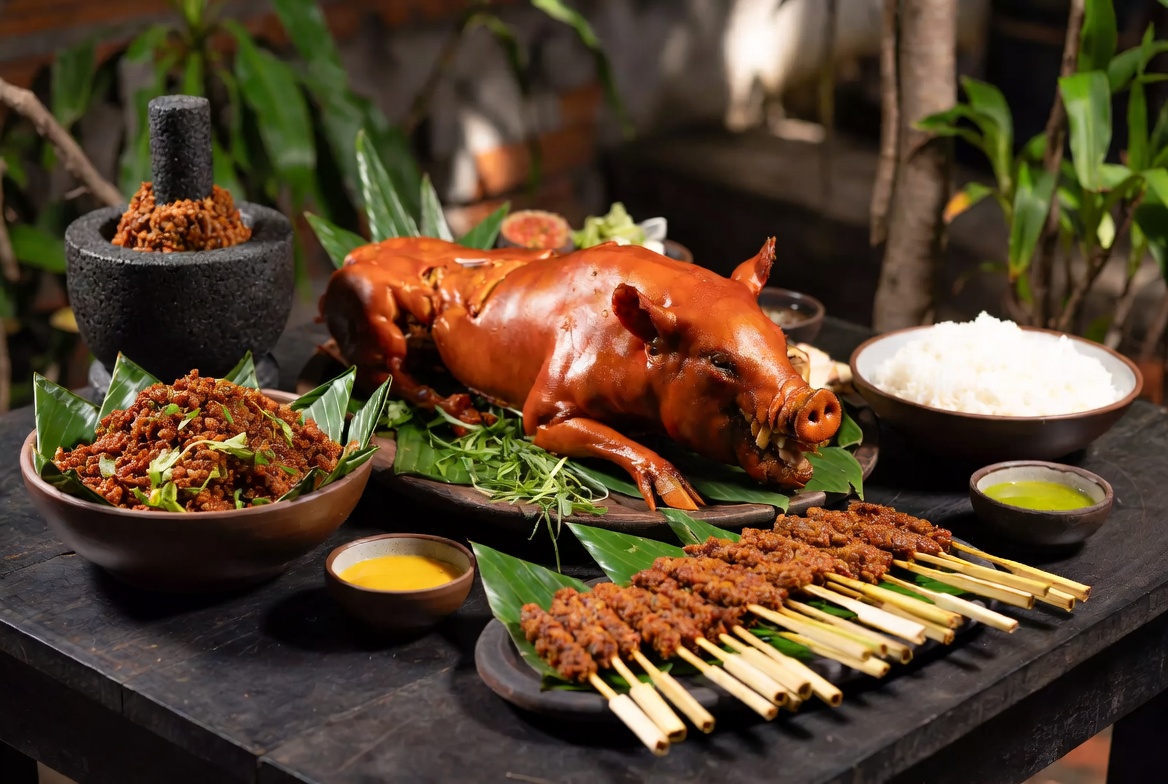
Balinese Cuisine: The Complete Guide
History, philosophy, base genep, ceremonial feasts, daily warung food, regional differences, and how to cook Bali flavors at home
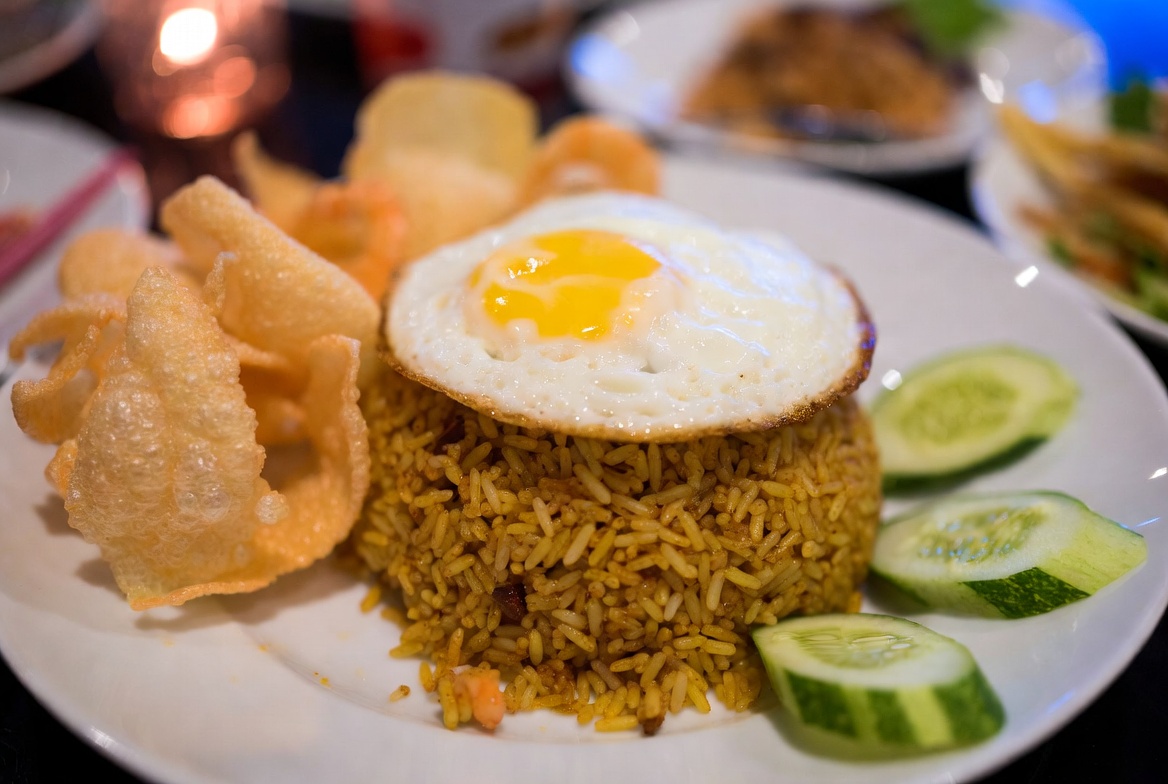
Nasi Goreng: Authentic Indonesian Fried Rice Guide
Wok heat, kecap manis, leftover rice, and regional variations
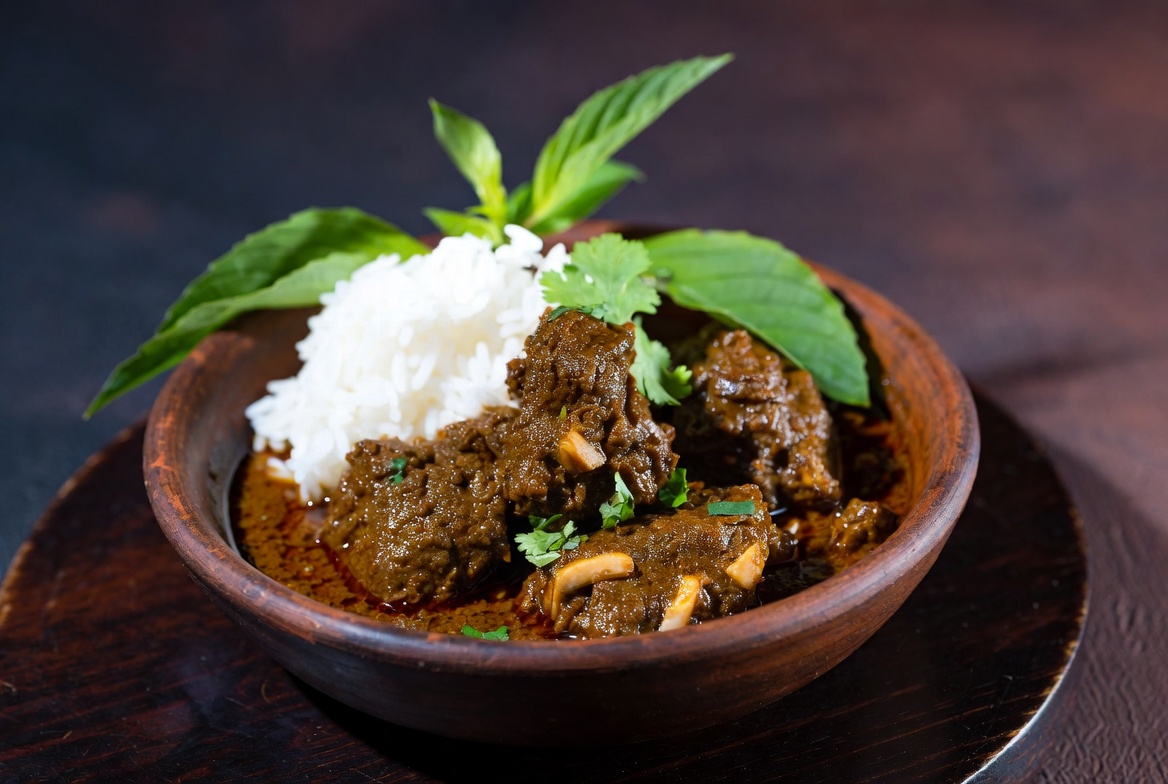
Beef Rendang Guide: Slow Coconut Spice Mastery
Minangkabau roots, stages of reduction, and home-oven patience
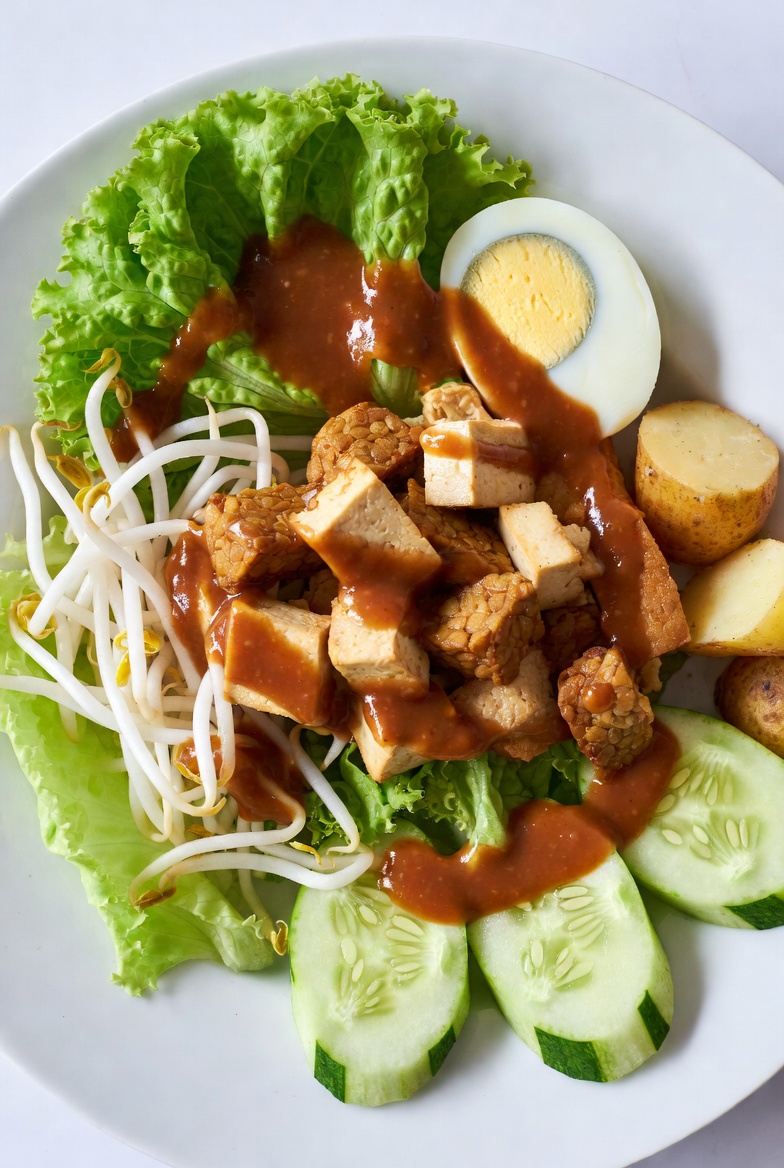
Gado-Gado Recipe: Indonesian Vegetable Salad with Peanut Sauce
Blanched vegetables, tofu-tempeh, egg, and a serious peanut sauce
Indonesian Street Food Guide: How to Taste with Confidence
Sate, fried snacks, soups, sweet stalls, and smart traveler habits
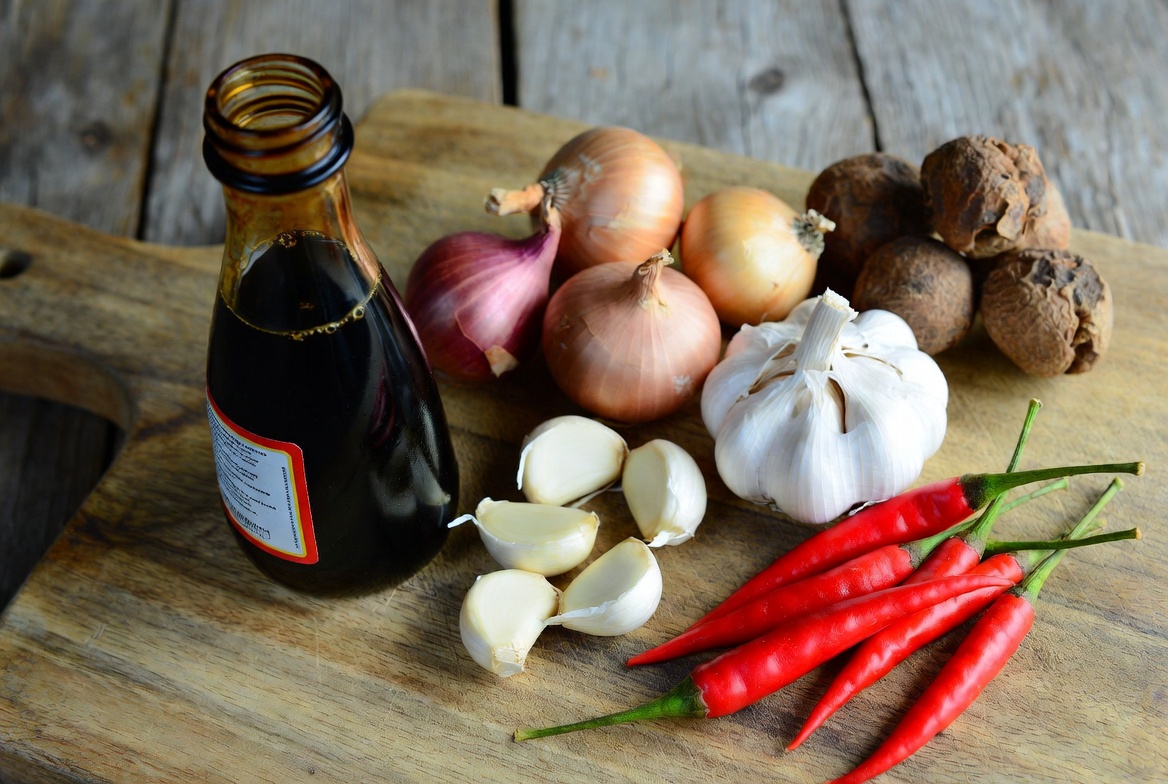
Indonesian Ingredients Glossary for Home Cooks
Kecap manis, terasi, galangal, palm sugar, tempeh, and more—decoded