Regional Variations in Balinese Food
Ubud, South Bali, East and North — how place shapes the plate
Tourism can make Bali’s food seem uniform. Locally, spice heat, seafood access, ceremonial calendars, and family lineage create meaningful differences.
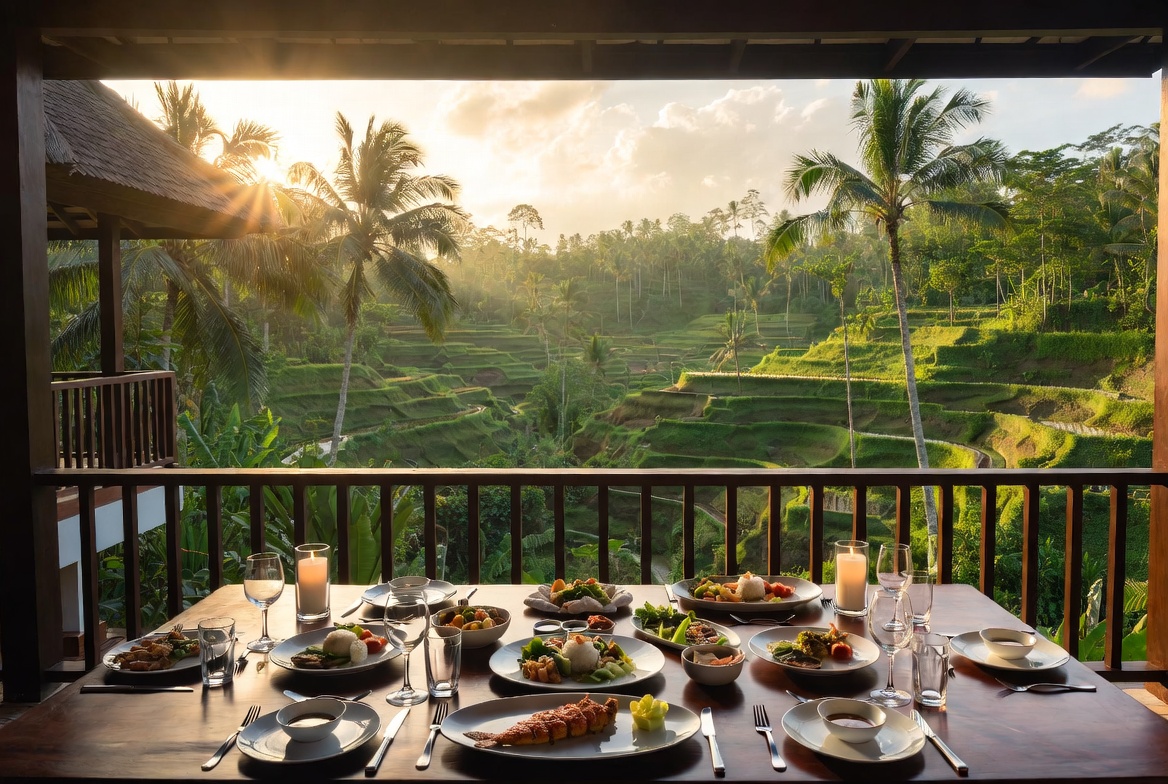
One island, many kitchens
Tourism can make Bali’s food seem uniform. Locally, spice heat, seafood access, ceremonial calendars, and family lineage create meaningful differences.
South Bali
Dense warung culture, famous babi guling houses, and international hybrid menus. Great for tasting breadth quickly.
Ubud and central Bali
Strong farm-to-table narrative, ceremonial cooking visibility, and many cooking schools. Excellent for produce literacy.
East and north
Coastal fish, distinct village sambals, and fewer tourist shortcuts — rewarding for travelers who go slower.
Want to practice this with your hands on the mortar? Start at the cooking class Bali hub, then book an in-villa session via myCHEF cooking class.
Related guides
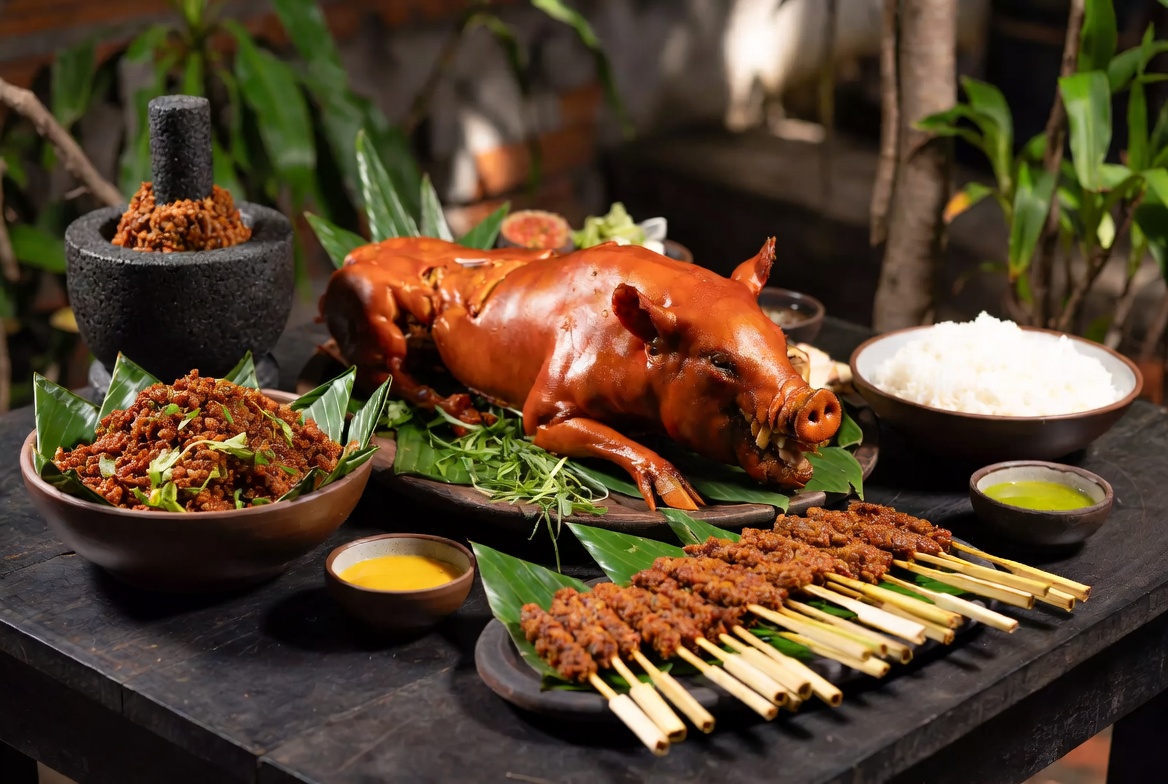
Balinese Cuisine: The Complete Guide
History, philosophy, base genep, ceremonial feasts, daily warung food, regional differences, and how to cook Bali flavors at home
Iconic Balinese Dishes: The Complete Map
From babi guling to lawar — what they are, when they appear, and how to learn them
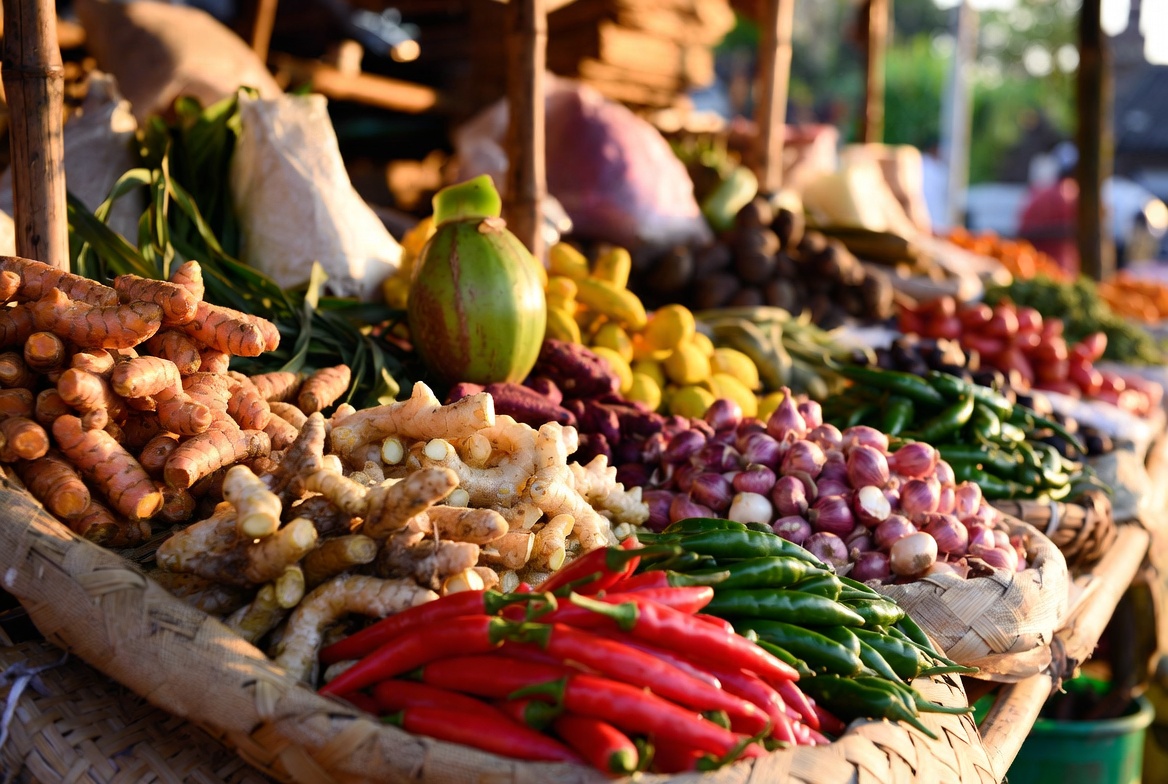
The Balinese Pantry: Ingredients from Market to Home
What to buy, what keeps, and what to substitute outside Indonesia
How Much Does a Cooking Class in Bali Cost? (2026)
Group, private, in-villa, and resort bands — what the headline price hides, and how to get an all-in quote
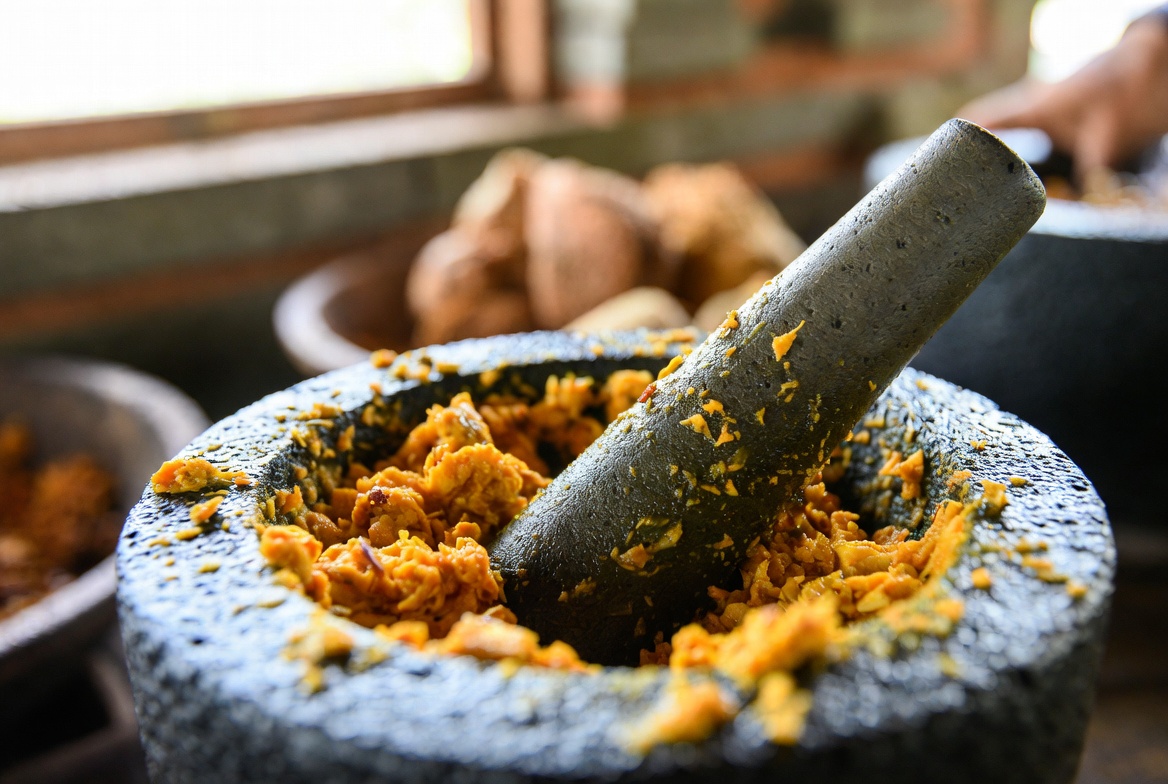
Is a Cooking Class in Bali Worth It?
When paste literacy beats a US$3 warung lunch — and when you should skip the class
Private Chef or Cooking Class in Bali? How to Choose
A chef who cooks for you versus a chef who teaches you — cost per group, villa logistics, and when to book both