Balinese Cuisine: The Complete Guide
History, philosophy, base genep, ceremonial feasts, daily warung food, regional differences, and how to cook Bali flavors at home
Balinese cuisine is often flattened into “Indonesian food” on tourist menus. That shortcut erases a coherent culinary system shaped by Hindu-Balinese ritual life, village labor, volcanic agriculture, and a market rhythm that still starts before sunrise. Understanding Bali means understanding when food is daily fuel and when it is communal ceremony.
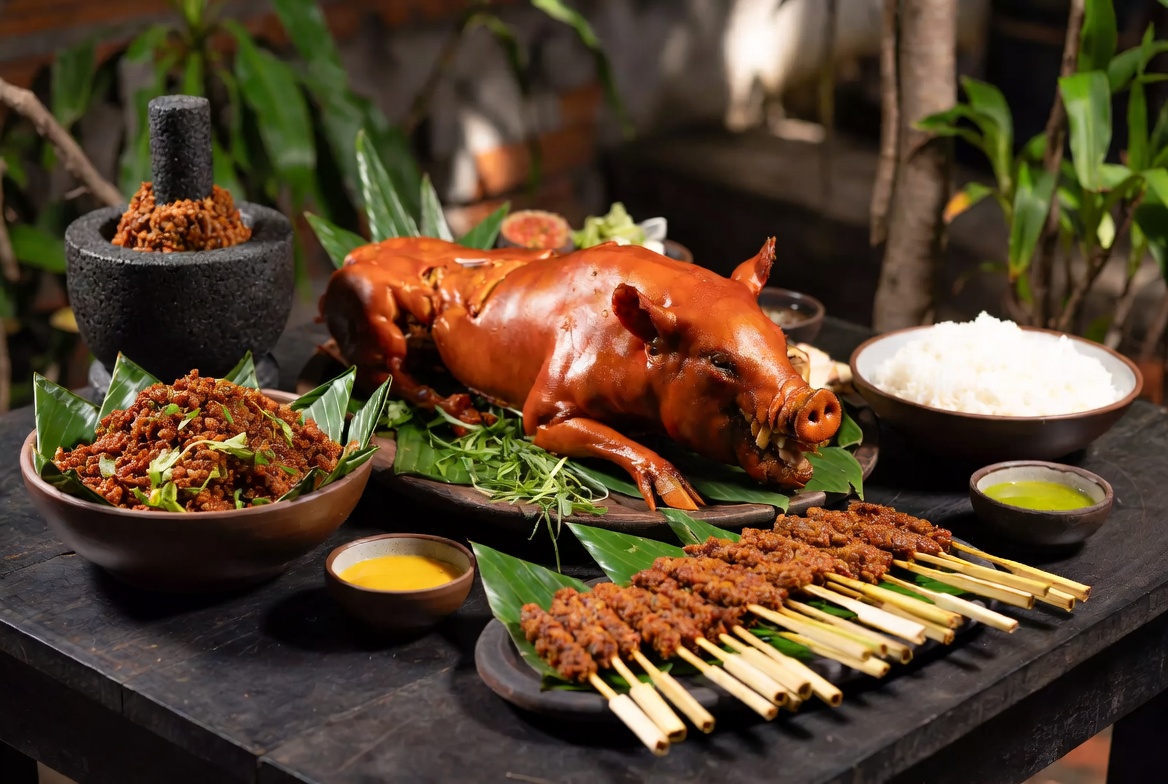
Why Balinese cuisine deserves its own map
Balinese cuisine is often flattened into “Indonesian food” on tourist menus. That shortcut erases a coherent culinary system shaped by Hindu-Balinese ritual life, village labor, volcanic agriculture, and a market rhythm that still starts before sunrise. Understanding Bali means understanding when food is daily fuel and when it is communal ceremony.
This guide is the hub of our Balinese cluster. From here you can move into base genep, sambals, iconic recipes, techniques, ingredients, regional notes, and learning formats—from home practice to classes and professional villa kitchens.
We also place Bali inside the wider Indonesian archipelago. Many techniques and ingredients overlap with other islands, but ratios, pork’s ceremonial role in many communities, and the base genep logic are distinct.
A short cultural frame (without turning food into spectacle)
Food participates in tri hita karana thinking—harmony with the divine, people, and nature—even when a plate is “just lunch.” Offerings (banten) and feast cooking for temple anniversaries (odalan) organize huge amounts of skilled labor: chopping, grinding, wrapping, roasting.
Daily food is often simpler: rice, sambal, a vegetable side, grilled fish or shredded chicken from a warung. Ceremonial food multiplies scale and symbolism. Learners should respect that some preparations are community knowledge, not party tricks.
The flavor architecture: bumbu first
Balinese savory cooking is paste-driven. The master paste is base genep (also called basa genep or base gede in many kitchens): shallot, garlic, turmeric, galangal, ginger, kencur, chili, candlenut, coriander, pepper, lemongrass, shrimp paste, palm sugar, and salt—ground and fried until fragrant.
From that foundation come fresh sambals (especially sambal matah), coconut salads like lawar and urab, banana-leaf parcels (tum), and slow methods such as betutu. Heat matters, but fragrance, bitterness, sweetness, and terasi umami complete the balance.
- Cooking pastes (base genep and dish-specific bases)
- Fresh condiments (sambal matah, embe, and local variants)
- Texture dishes (lawar, urab, finely chopped sides)
- Sealed slow cooks (betutu logic)
- Rice as the neutral center of the plate
Must-know dishes (learning order)
If you are building skill—not only a tasting list—use this sequence: condiments → paste literacy → weeknight proteins → grill/mince work → sealed slow cooks → ceremonial literacy.
- Sambal matah — raw aromatic heat that trains your palate fast
- Ayam suwir / spiced shredded chicken — paste application practice
- Sate lilit — mince texture and grill control
- Urab / vegetable coconut sides — freshness and seasoning against coconut
- Lawar-style salads — fine chop discipline (non-blood home versions first)
- Ayam or bebek betutu — sealed slow spice cook
- Babi guling — understand the plate and craft; whole-spit work is specialist
- Nasi campur Bali — composition and contrast on one tray
Daily warung cooking vs ceremonial cooking
Warung cooking optimizes for speed, price, and repeatable seasoning. Watch how much sambal locals take and which sides sell out—that is real-time education.
Ceremonial cooking optimizes for scale, coordination, and meaning. It is a poor first project for a foreign kitchen, but an excellent lens for why pastes are batch-made and why texture work is so fine.
Regional notes across Bali
South Bali offers density: warungs, famous babi guling houses, and hybrid menus. Ubud and central villages emphasize produce literacy, farm classes, and ceremonial visibility. East and north coasts reward slower travel with fish-forward tables and local sambal personalities.
There is no single “correct” family recipe. Authenticity is method integrity, ingredient quality, and cultural context—not copying one restaurant card.
How Balinese food relates to broader Indonesian cuisine
Indonesia contains many cuisines. Rendang is Minangkabau. Gudeg is Yogyakarta. Rawon is East Javanese. Nasi goreng is a national comfort language with endless local dialects. Bali sits inside that archipelago while keeping its own grammar.
If you are new to Indonesian food, read our Indonesian cuisine pillar first, then return here for Bali depth.
Cooking Balinese food outside Bali
A focused pantry gets you surprisingly far: shallots, garlic, fresh or frozen turmeric and galangal, lemongrass, kaffir lime leaves, bird’s eye chili, candlenuts or macadamias, shrimp paste, palm sugar, coconut, and rice. Frozen banana leaves close the gap for tum and betutu wraps.
What you cannot buy is practice: frying paste until raw notes disappear without burning turmeric, salting against rice, and keeping sambal bright.
How to learn in Bali (education-first)
Group classes excel at market context and social immersion. Home practice builds repetition. Private in-villa chefs excel at comfort, dietary control, and celebration logistics—and can teach if you ask for a teaching-style session.
Use our experiences guide for decision criteria. Service mentions (including MyChef) appear only as practical options when hospitality format matters—not as the purpose of this educational site.
How to use this site as a curriculum
Week 1: sambal matah + pantry setup. Week 2: base genep batches and ayam suwir. Week 3: sate lilit or grilled fish + urab. Week 4: tum or oven betutu and a full nasi campur for friends. Interlink through ingredient and technique pages whenever a step confuses you.
Sources & further study
For cultural framing, pair kitchen practice with published culinary ethnography and community-respectful cookbook scholarship (for example works documenting Balinese home cooking and ceremony food). Prefer primary observation in markets and warungs over recycled listicles.
When nutrition or safety claims appear elsewhere on this site, we aim to keep them conservative and practical rather than medical.
Want to practice this with your hands on the mortar? Start at the cooking class Bali hub, then book an in-villa session via myCHEF cooking class.
Frequently asked questions
Is Balinese food the same as Indonesian food?
No. Balinese cuisine is a regional tradition within Indonesia with its own paste logic, ceremonial repertoire, and cultural context. Indonesian food is an umbrella for many island cuisines.
What should beginners cook first?
Start with sambal matah and a simple base-genep chicken dish, then sate lilit or grilled fish, then vegetable coconut sides. Leave whole-spit babi guling as literacy, not a first project.
Is Balinese food always extremely spicy?
Not always. Bird’s eye chili can be intense, but fragrance and balance matter as much as heat. Reduce chili and serve sambal on the side.
What is base genep?
Base genep is Bali’s versatile “complete” spice paste used under many savory dishes. Mastering it unlocks a large part of the cuisine.
Can I cook authentic Balinese food without a stone mortar?
Yes. A blender or processor works if you minimize water and fry the paste thoroughly. Mortar work remains excellent training for texture.
Where should I learn in Bali?
Choose by goal: village/farm classes for culture and produce; structured schools for pedagogy; private chefs for villa logistics and custom menus. Compare formats in our experiences guide.
Is pork required to understand Balinese cuisine?
Pork is central in many ceremonial and famous dishes, but there is also fish, chicken, vegetable, and vegetarian cooking. Learn the paste system first.
How is Balinese satay different?
Sate lilit uses minced seasoned meat or fish pressed around lemongrass or skewers, distinct from many skewered-cube satay styles with peanut sauce elsewhere in Indonesia.
What pantry items are non-negotiable?
Shallots, garlic, chili, turmeric, galangal, lemongrass, shrimp paste, palm sugar, coconut products, and rice form the practical core.
How do I avoid disrespecting ceremonial food?
Learn context, do not treat sacred or community-only processes as entertainment, and start with everyday dishes before ceremonial forms.
How long does it take to get comfortable?
With weekly practice, many cooks gain confidence in paste and sambal within a month. Ceremonial literacy takes longer and benefits from local teachers.
Does this site sell cooking classes?
No. Bumbu Bali is educational. We explain formats and may mention professional services contextually when they help travelers.
Related guides
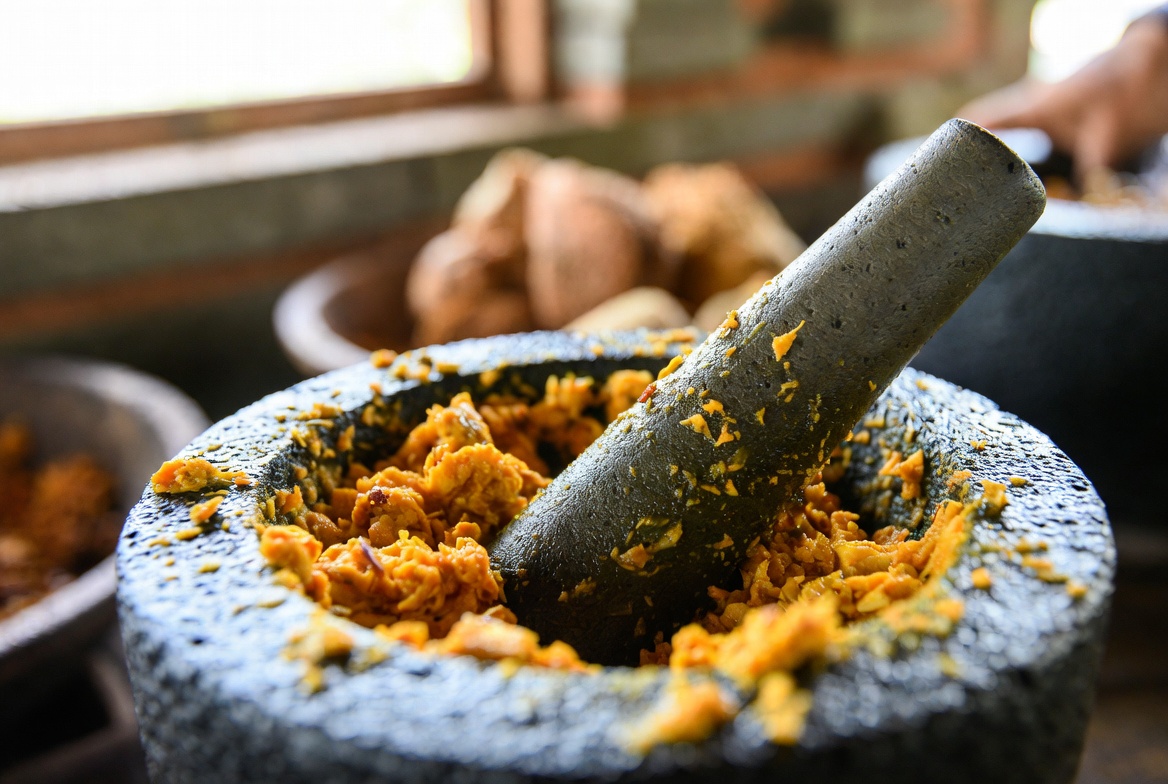
Base Genep (Basa Genep): Bali’s Complete Spice Paste Guide
Ingredients, practical ratios, mortar vs blender, frying cues, storage, and the dishes it unlocks
Iconic Balinese Dishes: The Complete Map
From babi guling to lawar — what they are, when they appear, and how to learn them
Balinese Cooking Techniques
Mortar pounding, banana-leaf wrapping, slow spice cooking, and fire methods
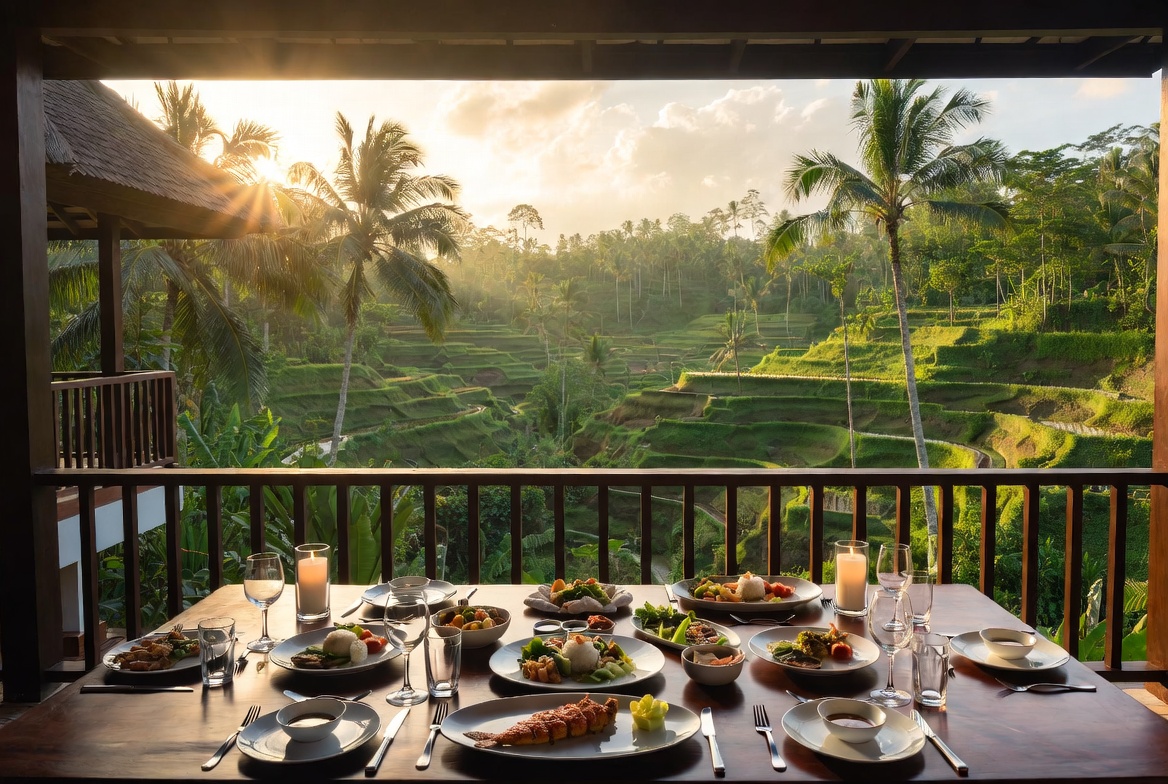
Regional Variations in Balinese Food
Ubud, South Bali, East and North — how place shapes the plate
How to Learn Balinese Cooking in Bali
Classes, home practice, and professional private experiences compared
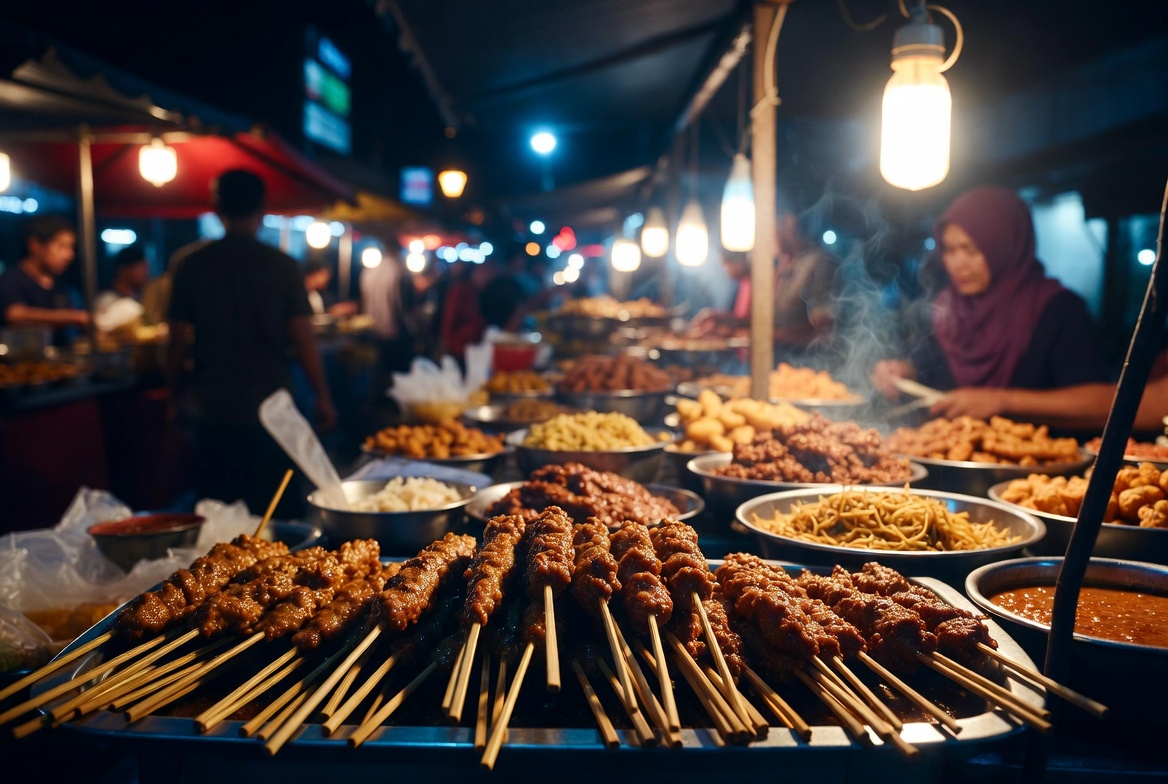
Indonesian Food: The Complete Educational Guide
Archipelago cuisines, core techniques, essential dishes, ingredients, and how Bali fits the bigger map