Shrimp Paste (Terasi) in Bali Cooking
Flavor role, buying tips, storage, and substitutions for Balinese cooking
Terasi is the deep savory bass note. Used carefully, it makes Balinese food taste complete.
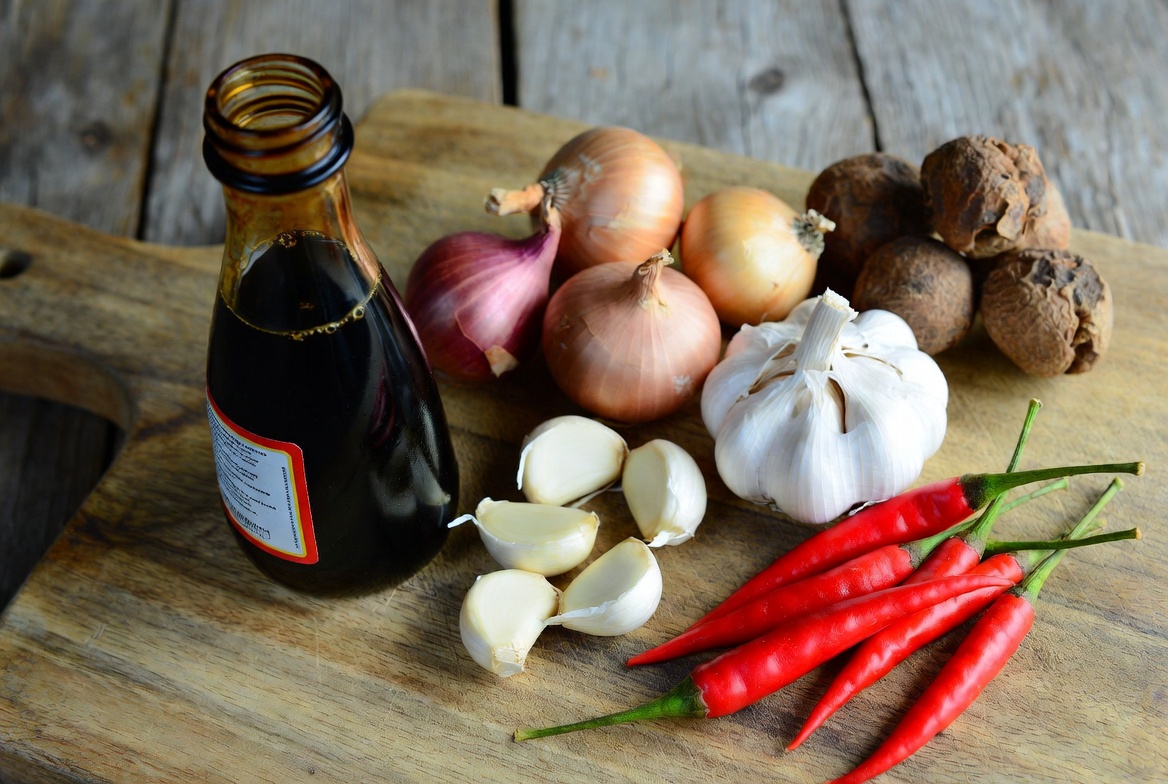
Flavor role in Balinese cooking
Terasi is the deep savory bass note. Used carefully, it makes Balinese food taste complete.
How to buy and store
- Roast or toast before use
- A little goes far
- Wrap well — aroma travels
Smart substitutions
- Other Southeast Asian shrimp pastes carefully
- Miso is not equivalent but can rescue vegetarian umami in experiments
Where it shows up
- Sambal
- Base pastes
- Vegetable dishes
Want to practice this with your hands on the mortar? Start at the cooking class Bali hub, then book an in-villa session via myCHEF cooking class.
Related guides
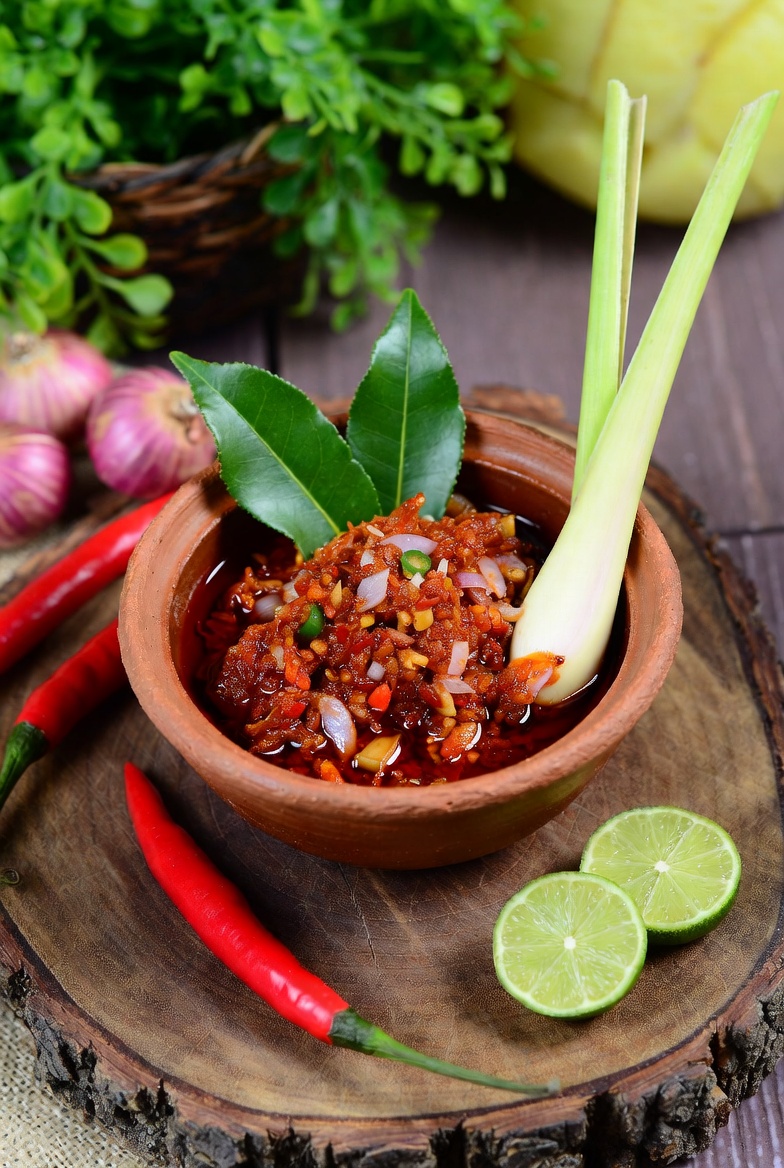
Sambal Matah Recipe (Authentic Balinese Raw Sambal)
Shallot, chili, lemongrass, citrus, and warm oil—bright heat that transforms rice and grill plates
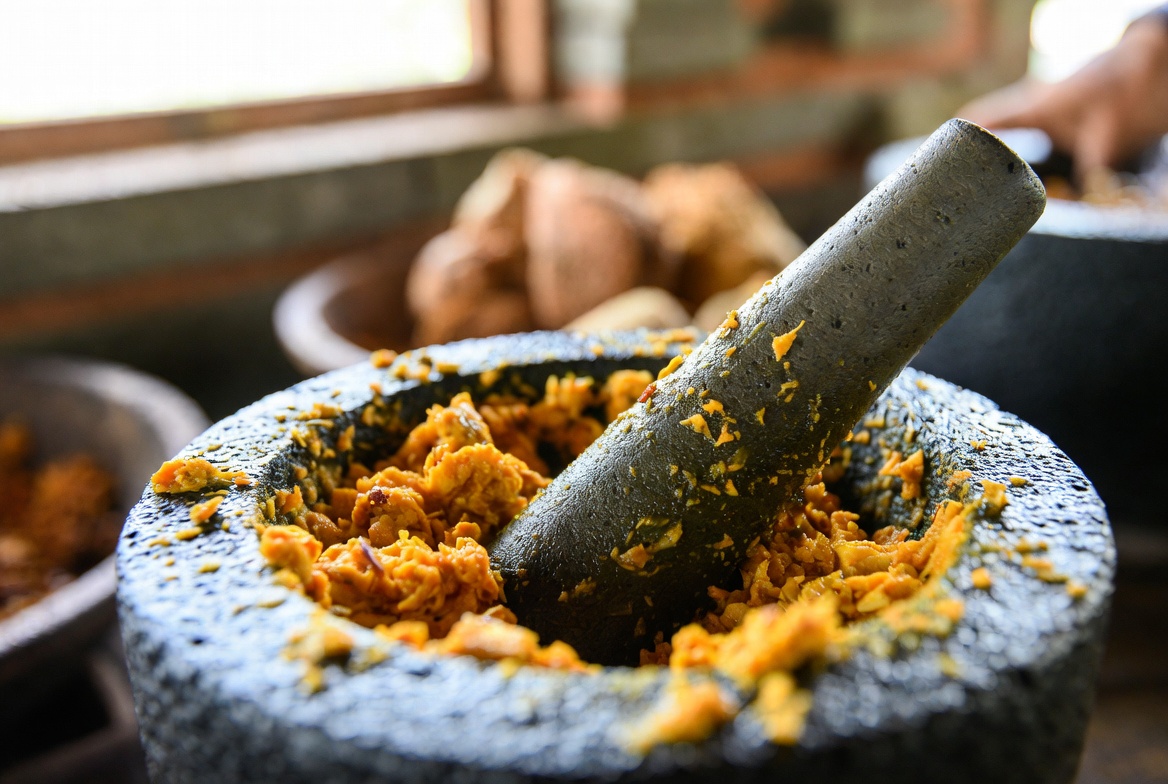
Base Genep (Basa Genep): Bali’s Complete Spice Paste Guide
Ingredients, practical ratios, mortar vs blender, frying cues, storage, and the dishes it unlocks
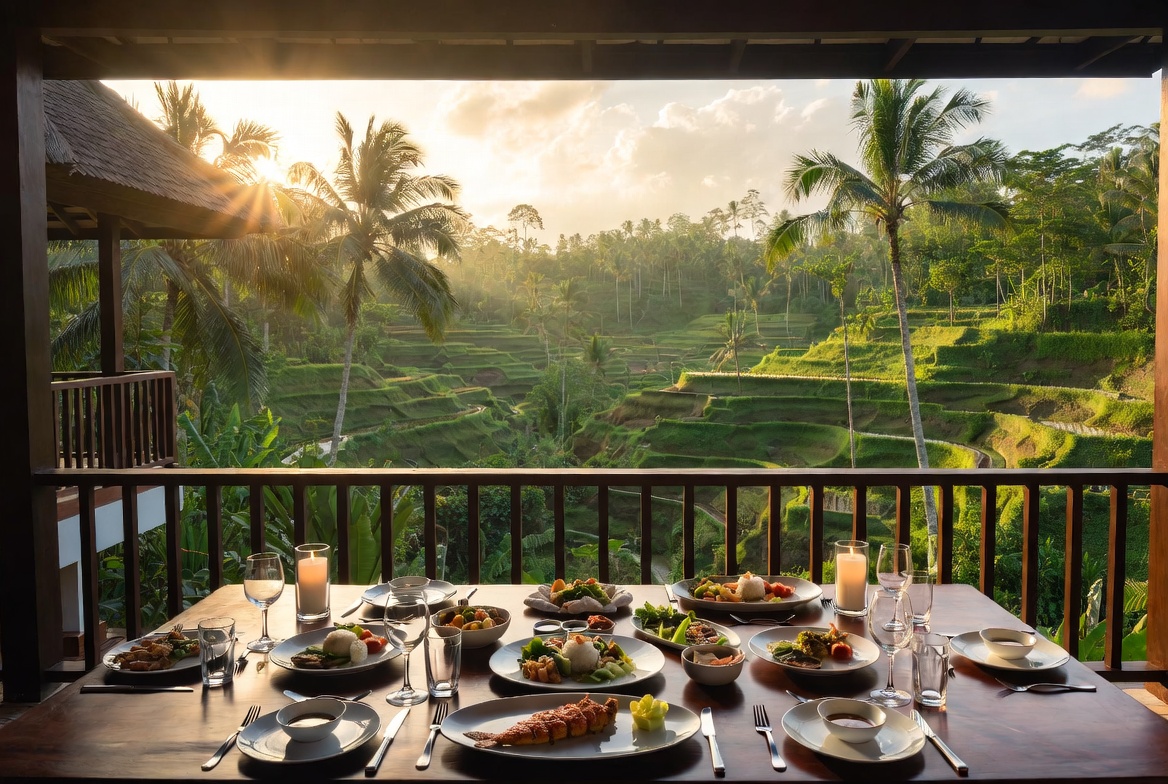
How Much Does a Cooking Class in Bali Cost? (2026)
Group, private, in-villa, and resort bands — what the headline price hides, and how to get an all-in quote
Is a Cooking Class in Bali Worth It?
When paste literacy beats a US$3 warung lunch — and when you should skip the class
Private Chef or Cooking Class in Bali? How to Choose
A chef who cooks for you versus a chef who teaches you — cost per group, villa logistics, and when to book both
Balinese Cuisine: The Complete Guide
History, philosophy, base genep, ceremonial feasts, daily warung food, regional differences, and how to cook Bali flavors at home