Balinese Cooking for Beginners: A 4-Week Home Plan
What to buy, what to cook first, and which ceremonial dishes to study before you attempt them
Beginners should treat Balinese cooking as paste literacy plus condiments, not as a race toward babi guling. Four weeks of sambal, base genep, and one grilled or wrapped dish builds more transferable skill than a single feast project.
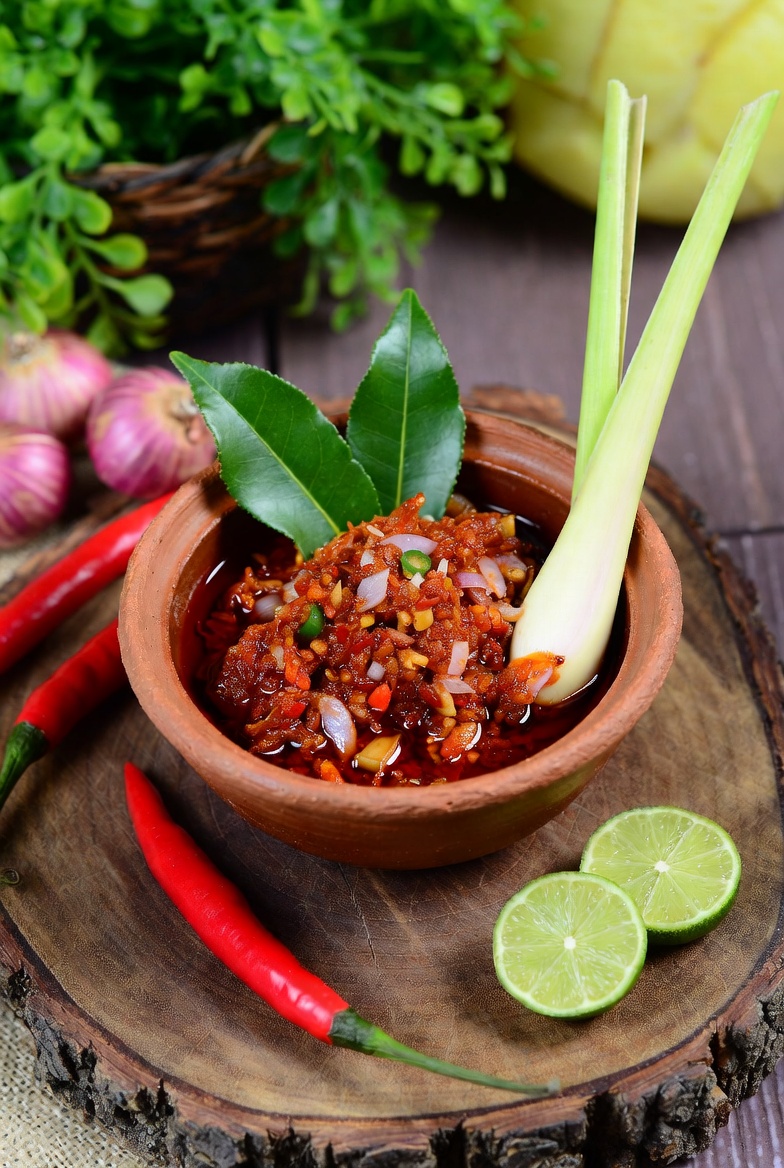
What “beginner Balinese cooking” actually means
Balinese cooking for beginners is not a shortened tourist tasting menu. It is the smallest set of skills that lets you season rice, fry a paste without burning turmeric, and build a plate with contrast: heat, fat, acid, and a calm starch.
If you skip those skills and jump to bebek betutu or whole-spit babi guling, you will spend money and still not know why the dish tastes flat. The beginner path is condiments, then paste, then one protein, then one wrap or grill.
The 12-item starter pantry
You can cook honest weeknight Bali flavors outside Indonesia with a short list. Buy the smallest fresh amounts you will actually use in two weeks.
- Shallots and garlic
- Fresh or frozen turmeric and galangal
- Lemongrass and kaffir lime leaves
- Bird’s eye chili (or a milder red chili plus one hotter chili)
- Shrimp paste (terasi) or a clearly labeled vegetarian alternative
- Palm sugar, coconut oil or neutral oil, and uncooked rice
- Grated coconut or unsweetened desiccated coconut for urab-style sides
Four-week cooking plan
Use this as a curriculum, not a challenge calendar. Repeat a week if the paste still tastes raw.
- Week 1 — Sambal matah twice. Adjust chili and oil temperature. Eat it with rice, grilled fish, or eggs.
- Week 2 — A small batch of base genep. Fry it properly. Make ayam suwir or a simple vegetable stir-through.
- Week 3 — One texture dish: urab or a coconut vegetable side, plus leftover paste on fish or tempeh.
- Week 4 — Either sate lilit (mince + grill) or tum ayam (leaf wrap). Invite people. Practice plating nasi campur.
What not to cook first
Whole-spit babi guling, blood lawar, and all-day betutu are poor first projects. Study them as literacy: what the plate contains, why the spice is fine, how the community labor works. Then decide whether a specialist class or a home oven adaptation is the right next step.
How a Bali cooking class fits this plan
A class is more valuable after you have fried paste once at home. You will notice whether the teacher lets you grind, how they judge doneness, and whether the market stop is real sourcing or a photo stop.
If your trip is short, take the class in the first half of the stay, then cook once in your villa kitchen or book a teaching-style private session to lock the skill.
Want to practice this with your hands on the mortar? Start at the cooking class Bali hub, then book an in-villa session via myCHEF cooking class.
Frequently asked questions
Can I cook Balinese food if I do not eat pork or shrimp paste?
Yes. Many daily dishes are chicken, fish, vegetables, or tempeh. Shrimp paste is traditional in many sambals and pastes; use a labeled vegetarian substitute and treat the result as an adaptation.
How spicy is beginner Balinese food?
As spicy as you choose. Keep chili on the side for the first two weeks. Fragrance from lemongrass, lime leaf, and fried paste matters more than pain.
Is a blender cheating?
No. Minimize water, keep the paste thick, and still fry it in the pan. The mortar is training, not a moral test.
Related guides
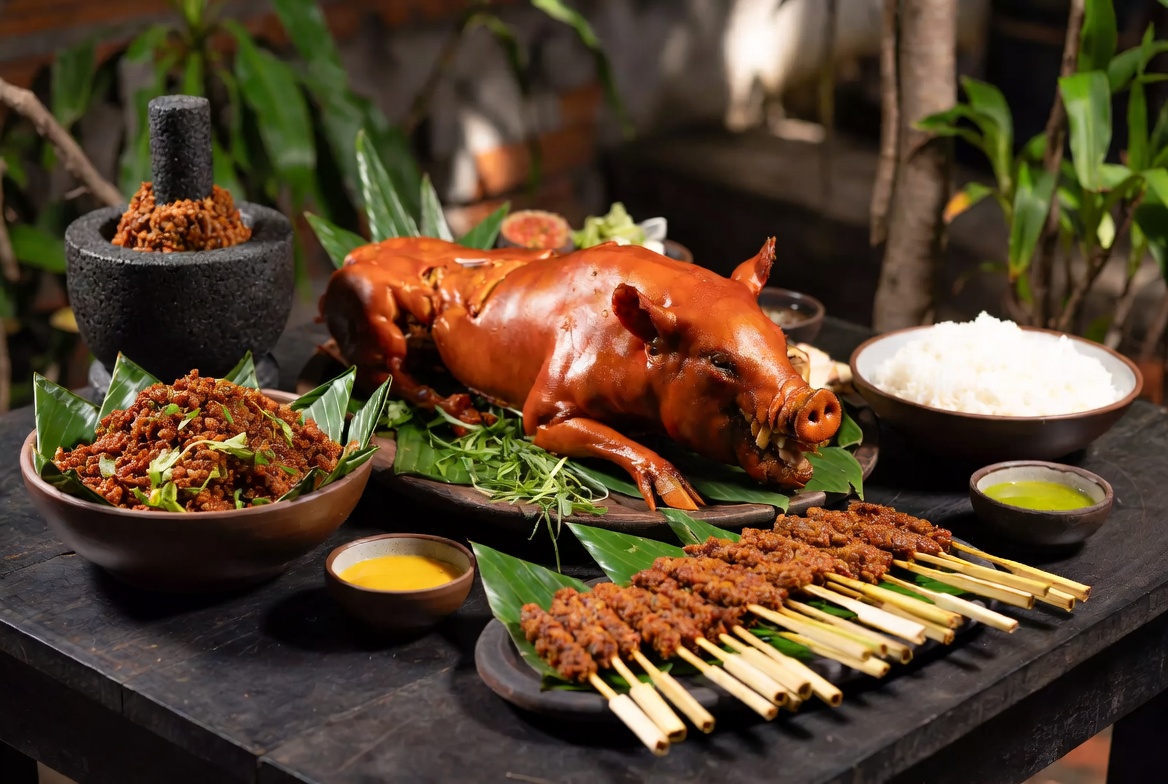
Balinese Cuisine: The Complete Guide
History, philosophy, base genep, ceremonial feasts, daily warung food, regional differences, and how to cook Bali flavors at home
Sambal Matah Recipe (Authentic Balinese Raw Sambal)
Shallot, chili, lemongrass, citrus, and warm oil—bright heat that transforms rice and grill plates
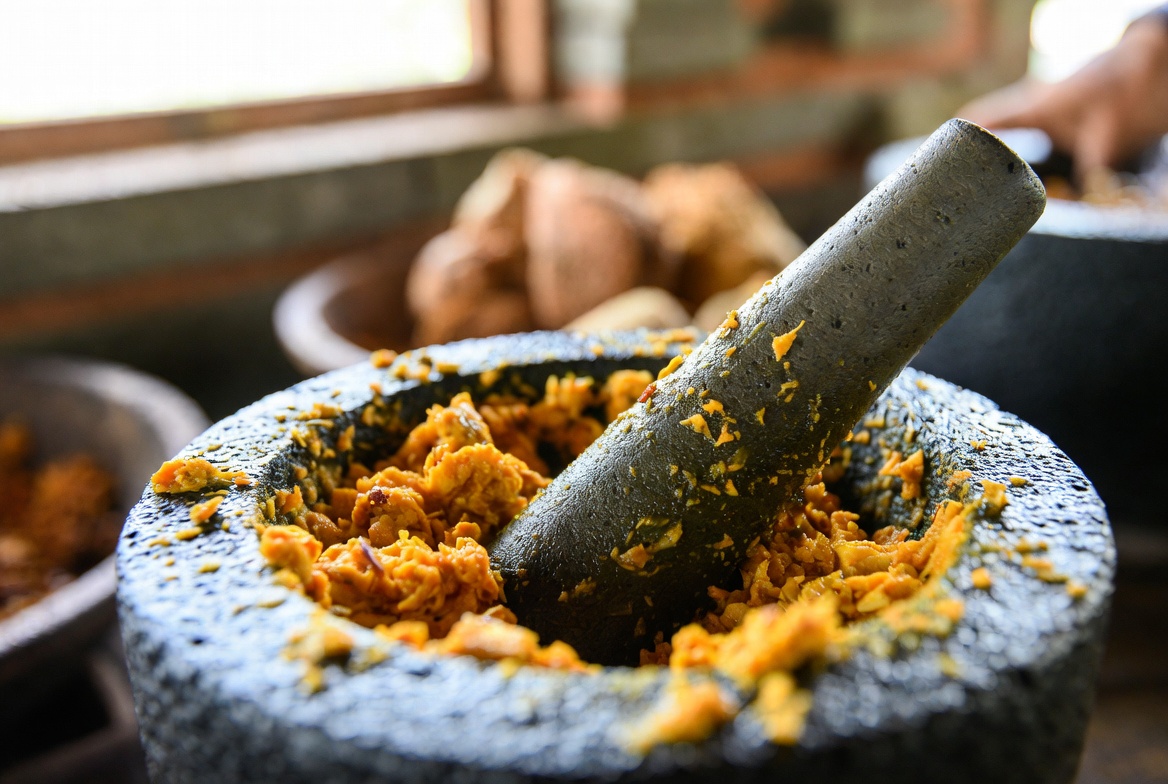
Base Genep (Basa Genep): Bali’s Complete Spice Paste Guide
Ingredients, practical ratios, mortar vs blender, frying cues, storage, and the dishes it unlocks
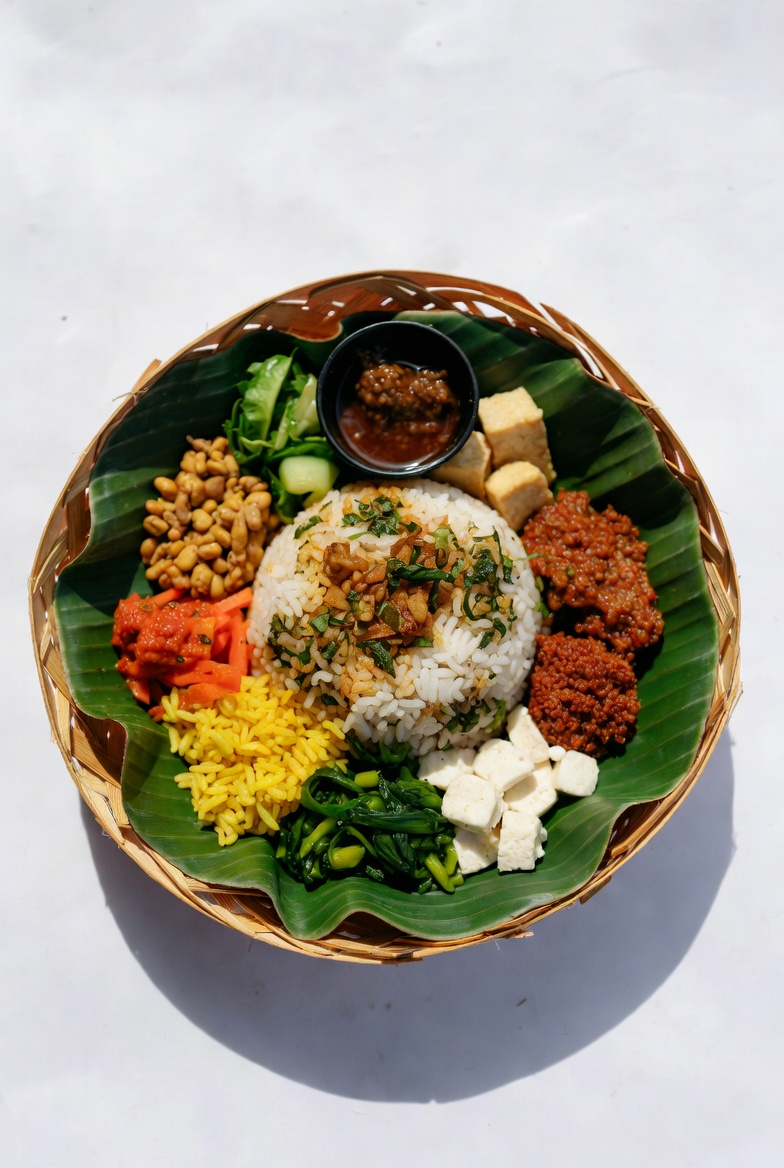
Ayam Suwir: Spiced Shredded Balinese Chicken
Weeknight-friendly, paste-driven, endlessly useful
30-Day Balinese Home Cooking Practice Plan
A structured month from first sambal to full nasi campur confidence

How to Learn Balinese Cooking in Bali
Classes, home practice, and professional private experiences compared