Lawar Recipe Guide: Chopped Balinese Ceremonial Salad
Texture, coconut, spice, and community — understanding lawar at home
A practical lawar-style guide for home cooks: vegetable-coconut versions, seasoning logic, and cultural notes on ceremonial variants.
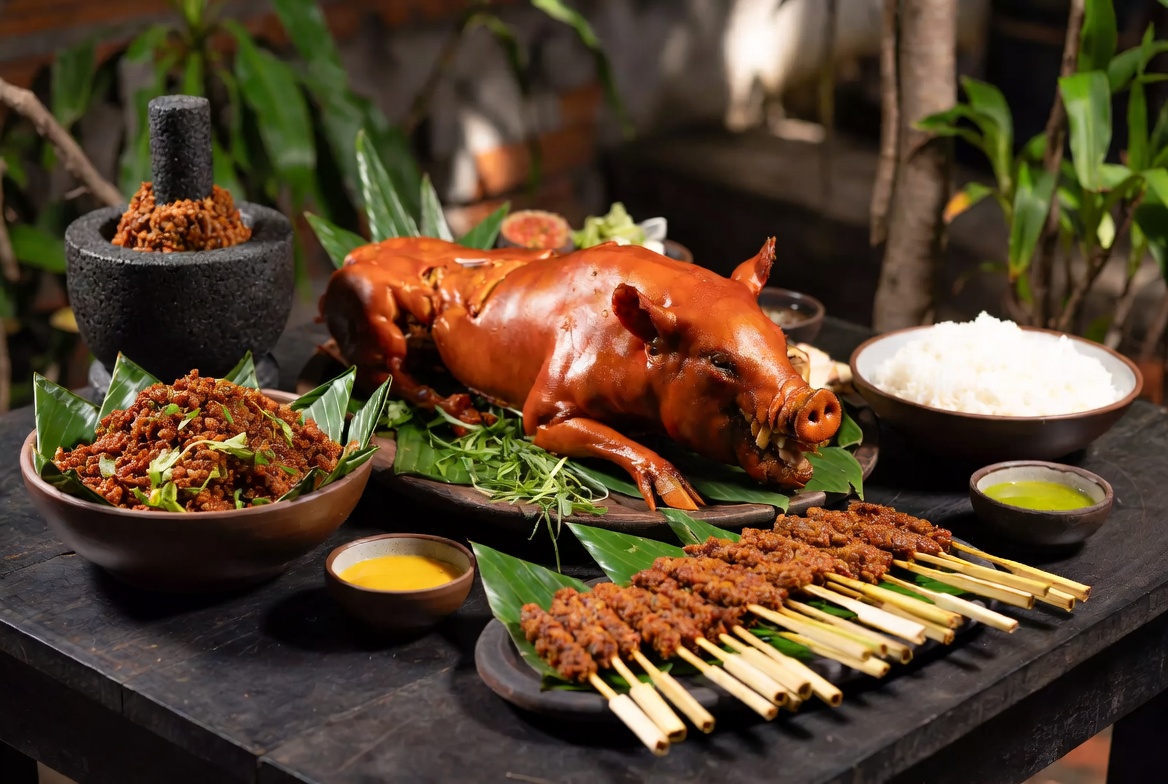
What is lawar?
A practical lawar-style guide for home cooks: vegetable-coconut versions, seasoning logic, and cultural notes on ceremonial variants.
This recipe guide focuses on authentic structure you can repeat: paste, method, seasoning balance, and serving context. lawar rewards patience more than fancy equipment.
Ingredients (home batch)
Use the freshest aromatics you can find. If you are outside Bali, prioritize lemongrass, lime leaves, shallots, and a credible shrimp paste. Fresh turmeric and galangal make a visible difference.
- Blanched long beans or green beans, finely chopped
- Grated coconut, toasted lightly
- Cooked minced meat or tempeh (home version)
- Base genep, fried until fragrant
- Lime, salt, chili, fried shallots
Method
Read the full sequence before lighting the stove. Balinese cooking often front-loads paste work, then moves quickly.
- Prepare and cool all chopped components.
- Fry paste until highly aromatic.
- Combine vegetables, coconut, protein, and paste.
- Season aggressively with salt, lime, and heat.
- Finish with fried shallots and serve fresh.
Texture and doneness cues
Lawar should be finely textured, moist but not wet, and boldly seasoned.
Tips from practice kitchens
- Chop more finely than feels necessary
- Season after mixing — coconut mutes salt
- Ceremonial blood lawar is cultural specialist knowledge; home learners should master non-blood versions first
What to serve with it
Balinese meals are relational. Pair this dish with rice and at least one fresh sambal or vegetable side.
- Rice
- Sate
- Babi guling plates
- Clear vegetable soup
Make-ahead and leftovers
Spice-forward dishes often taste deeper the next day. Cool quickly, refrigerate, and reheat gently. Refresh with lime and herbs if the dish has a raw-condiment component served alongside.
Want to practice this with your hands on the mortar? Start at the cooking class Bali hub, then book an in-villa session via myCHEF cooking class.
Frequently asked questions
Can I make lawar less spicy?
Yes. Reduce bird’s eye chili first, keep aromatic rhizomes, and serve extra sambal on the side for people who want heat.
Can I prepare components ahead?
Cook spice paste up to several days ahead (or freeze). Finish proteins and fresh herbs the day you serve.
Related guides
Iconic Balinese Dishes: The Complete Map
From babi guling to lawar — what they are, when they appear, and how to learn them
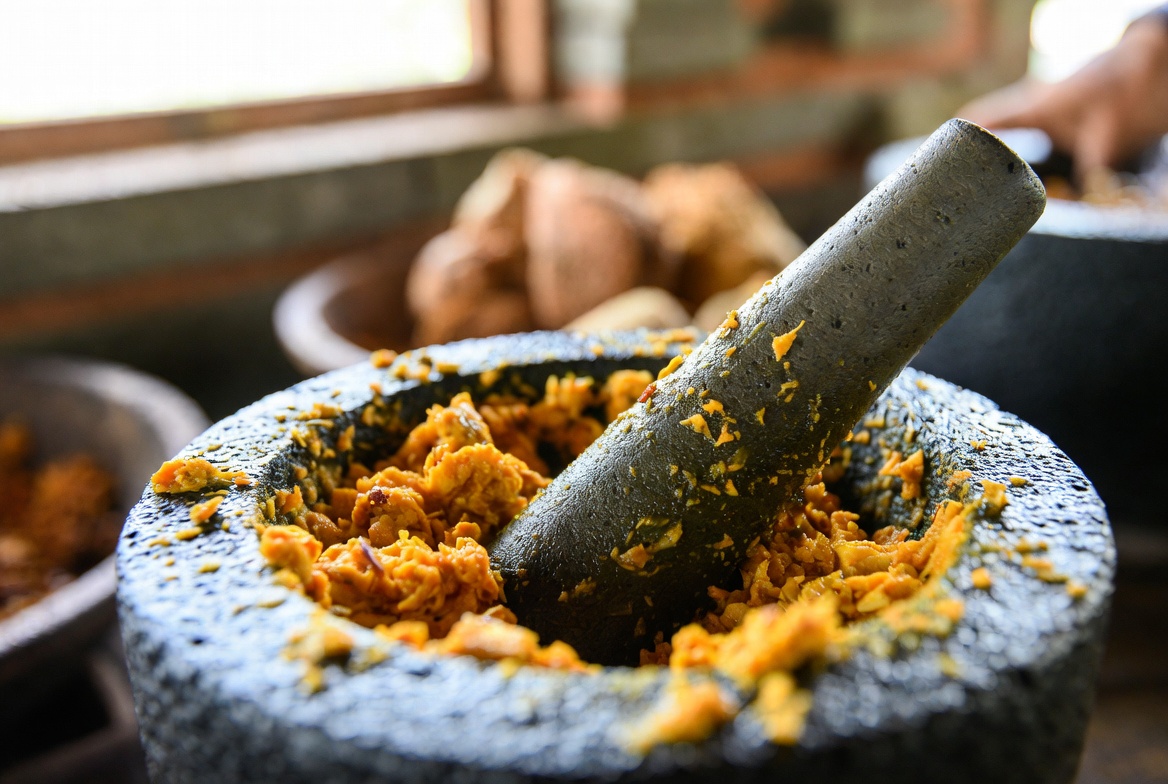
Base Genep (Basa Genep): Bali’s Complete Spice Paste Guide
Ingredients, practical ratios, mortar vs blender, frying cues, storage, and the dishes it unlocks
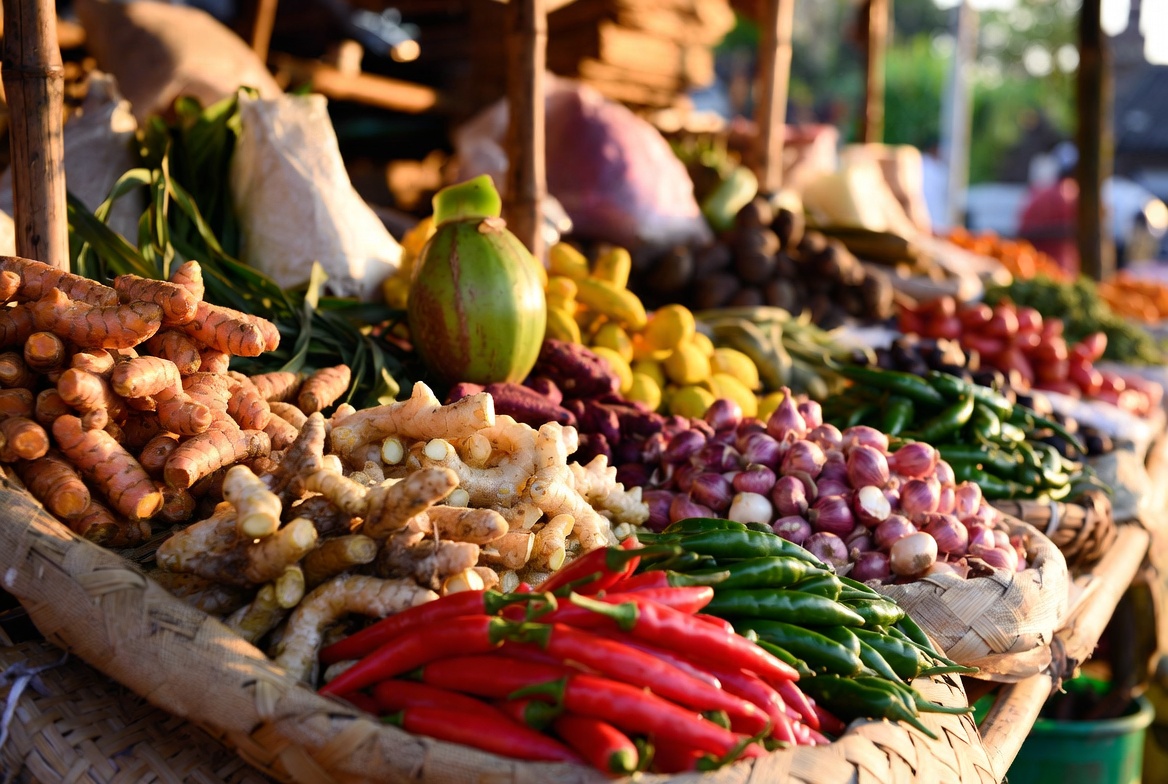
Grated Coconut for Lawar and Urab
Flavor role, buying tips, storage, and substitutions for Balinese cooking
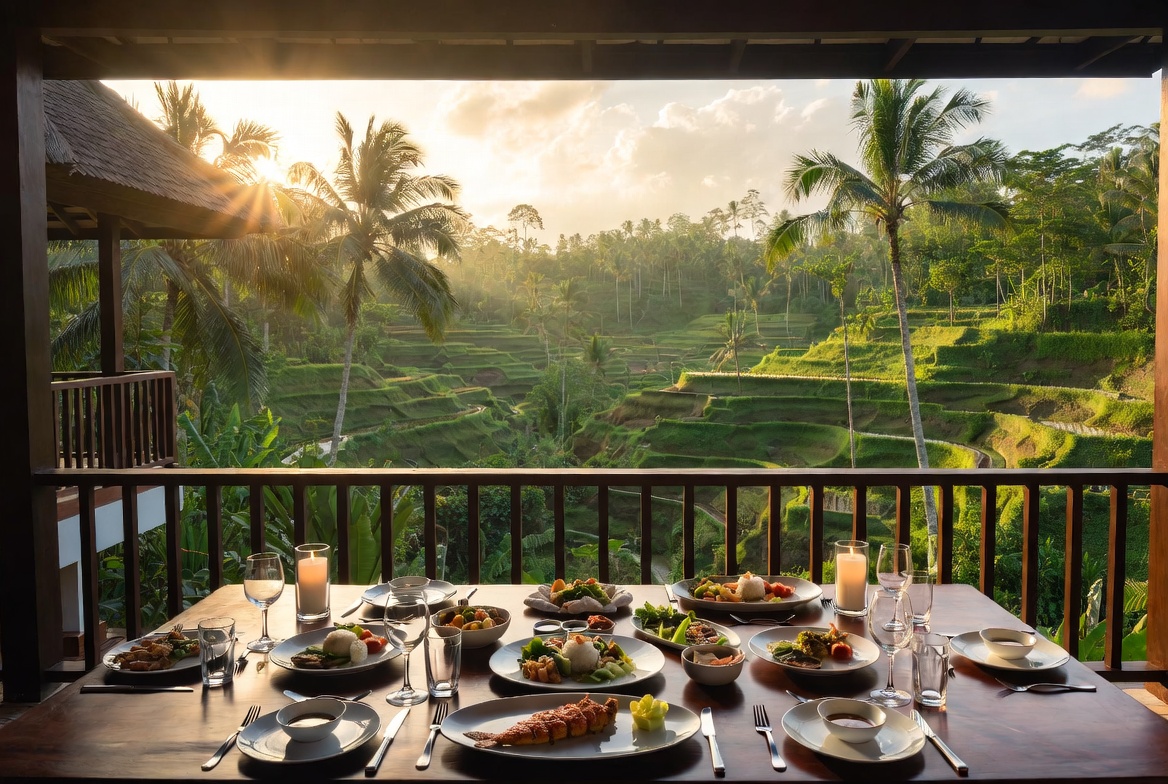
How Much Does a Cooking Class in Bali Cost? (2026)
Group, private, in-villa, and resort bands — what the headline price hides, and how to get an all-in quote
Is a Cooking Class in Bali Worth It?
When paste literacy beats a US$3 warung lunch — and when you should skip the class
Private Chef or Cooking Class in Bali? How to Choose
A chef who cooks for you versus a chef who teaches you — cost per group, villa logistics, and when to book both