Balinese Spice Pastes: Base Genep, Base Kuning, and Dish Pastes
How the paste system works, which base to make first, and how restaurant “bumbu Bali” relates to home cooking
Balinese savory cooking is a paste system. Base genep is the versatile complete paste; other bases shift color, heat, and use. If you only learn one paste, learn base genep and how to fry it.
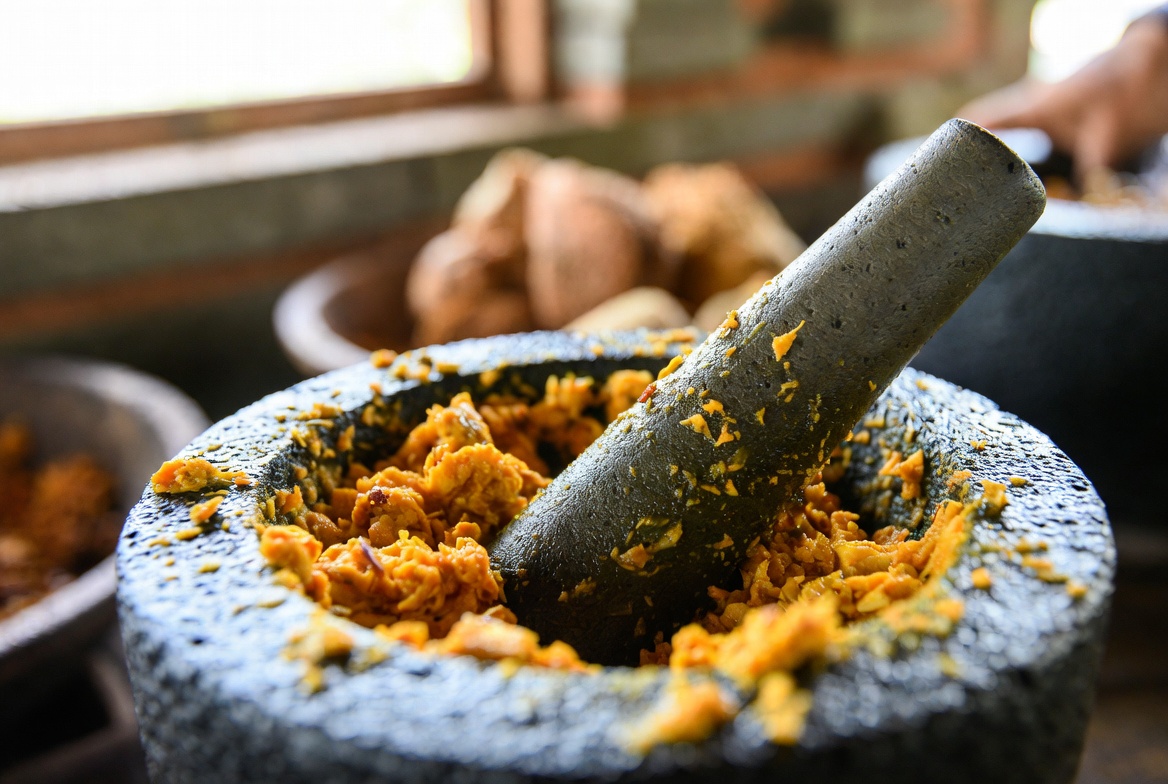
Bumbu is a system, not a single recipe
In Bali, “bumbu” means seasoning — usually a ground wet paste fried in oil. Tourist menus flatten this into one jar labeled bumbu Bali. Home and ceremonial kitchens keep a small family of pastes that share rhizomes and aromatics but shift ratio, color, and heat.
If you understand the system, you can read any recipe and know whether you are looking at a complete base, a fresh condiment, or a dish-specific paste.
Base genep (basa genep, base gede)
Base genep means a complete or “whole” paste. Naming varies by family and village: base gede and basa genep often point at the same job. Typical architecture is shallot, garlic, turmeric, galangal, ginger, kencur, chili, candlenut, coriander, pepper, lemongrass, shrimp paste, palm sugar, and salt.
It is the paste to batch. Fry until fragrant, cool, and refrigerate. From one batch you can season shredded chicken, vegetables, fish, or a simplified betutu rub.
Color and heat shifts
Yellow-leaning pastes increase turmeric and sometimes candlenut. Red-leaning pastes increase dried or fresh red chili. Some kitchens keep a lighter daily paste and a heavier ceremonial one. None of these are “more authentic” in the abstract — they are tools.
- Daily paste: fewer extras, faster fry, weeknight proteins
- Complete paste: base genep, batch-friendly, many dishes
- Dish paste: extra kencur, extra chili, or extra terasi for one plate
Pastes versus fresh sambals
Sambal matah is not a fried paste. It is a raw or briefly oil-wilted condiment. Mixing the two categories is the most common beginner error: people blend matah ingredients into a cooked bumbu and wonder why it tastes dull.
Keep the rule: cooked pastes build the dish; fresh sambals finish the plate.
How restaurants use “bumbu Bali”
Hotels and warungs often hold one house paste for speed. That is operationally honest. It is not a reason for a home cook to erase the differences. If a class only has you stir a pre-fried paste into coconut milk, you practiced assembly, not paste literacy.
Want to practice this with your hands on the mortar? Start at the cooking class Bali hub, then book an in-villa session via myCHEF cooking class.
Frequently asked questions
Is base genep the same as bumbu Bali?
Bumbu Bali is a loose menu phrase. Base genep is a specific complete-paste job. Many restaurant “bumbu Bali” jars are a simplified house paste in that family.
How long does fried paste keep?
About 5–7 days refrigerated in a clean jar, longer if the fry was thorough and the jar stays dry. Freeze in small portions for a month if your kitchen is hot.
Related guides
Base Genep (Basa Genep): Bali’s Complete Spice Paste Guide
Ingredients, practical ratios, mortar vs blender, frying cues, storage, and the dishes it unlocks
How to Make Base Genep Step by Step
A practical technique guide for authentic results at home
How to Fry Bumbu Correctly
A practical technique guide for authentic results at home
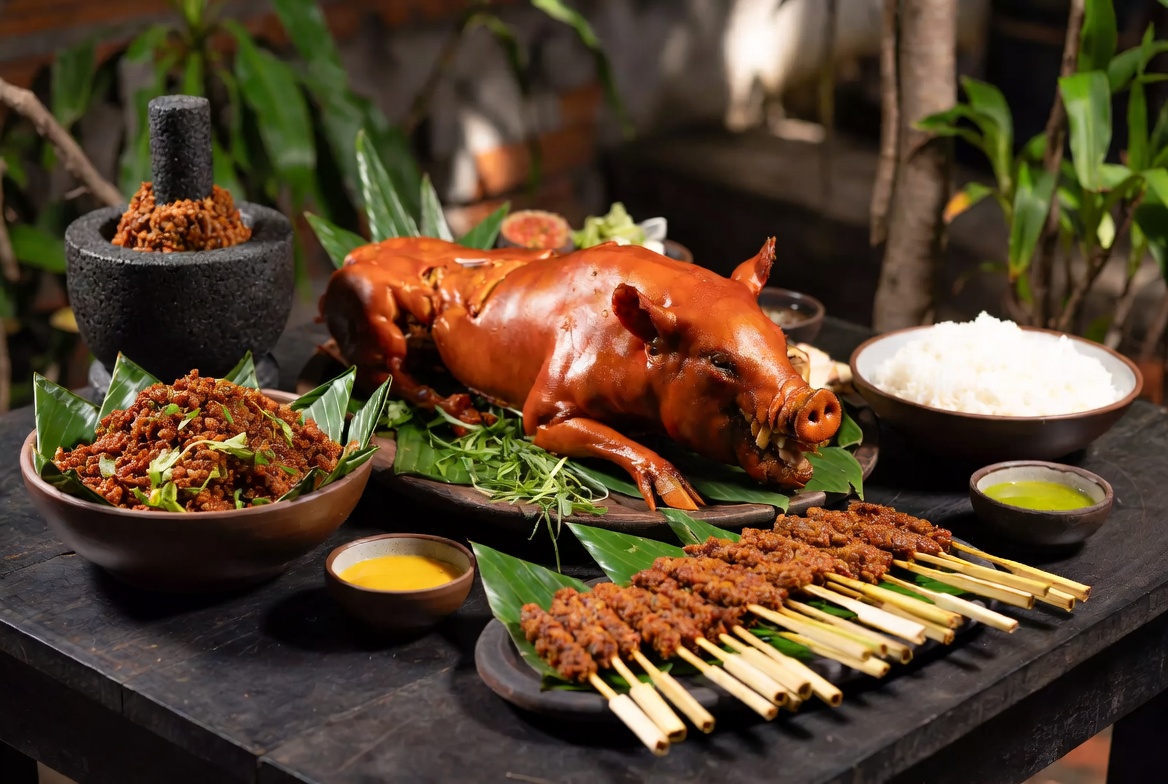
Balinese Cuisine: The Complete Guide
History, philosophy, base genep, ceremonial feasts, daily warung food, regional differences, and how to cook Bali flavors at home
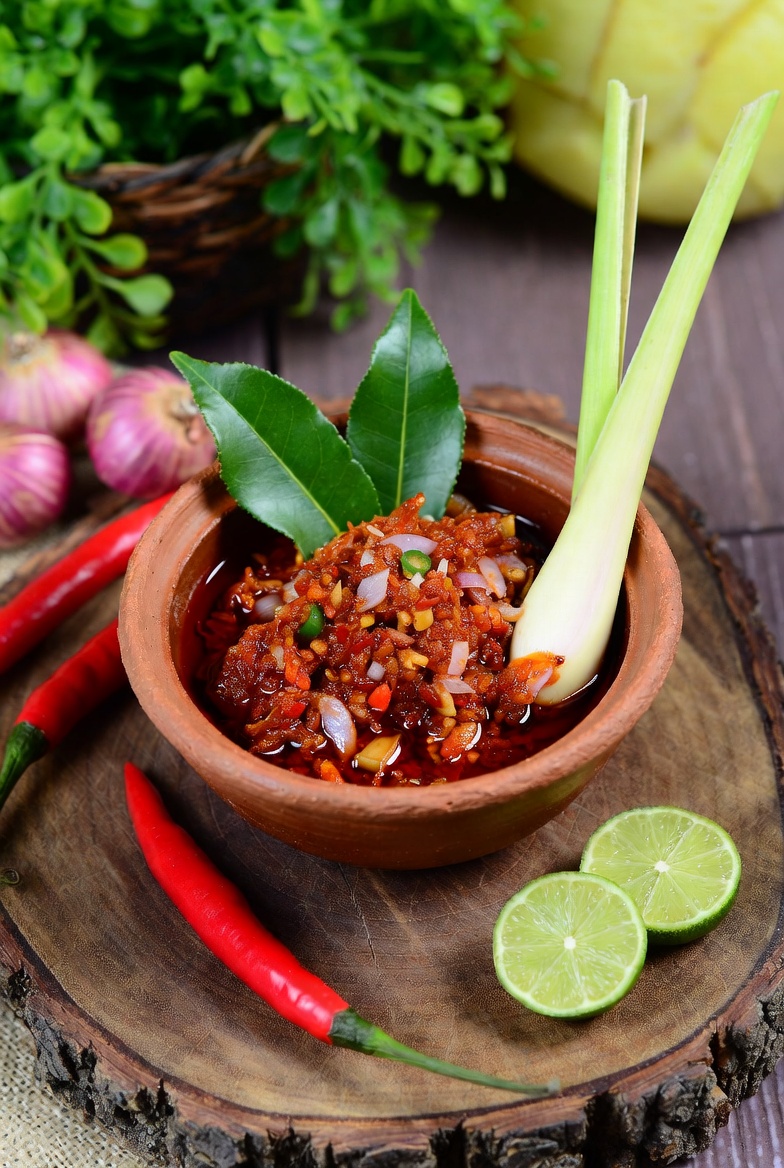
Mastering Balinese Sambal
Sambal matah, embe, and the condiment culture that defines every plate

How Much Does a Cooking Class in Bali Cost? (2026)
Group, private, in-villa, and resort bands — what the headline price hides, and how to get an all-in quote