Ginger in Indonesian & Balinese Cooking
Warmth, balance with galangal, and when not to substitute blindly
Ginger (jahe) brings warm pungency. In Balinese base genep it partners with galangal rather than replacing it. In many Indonesian stir-fries and drinks, ginger can lead.
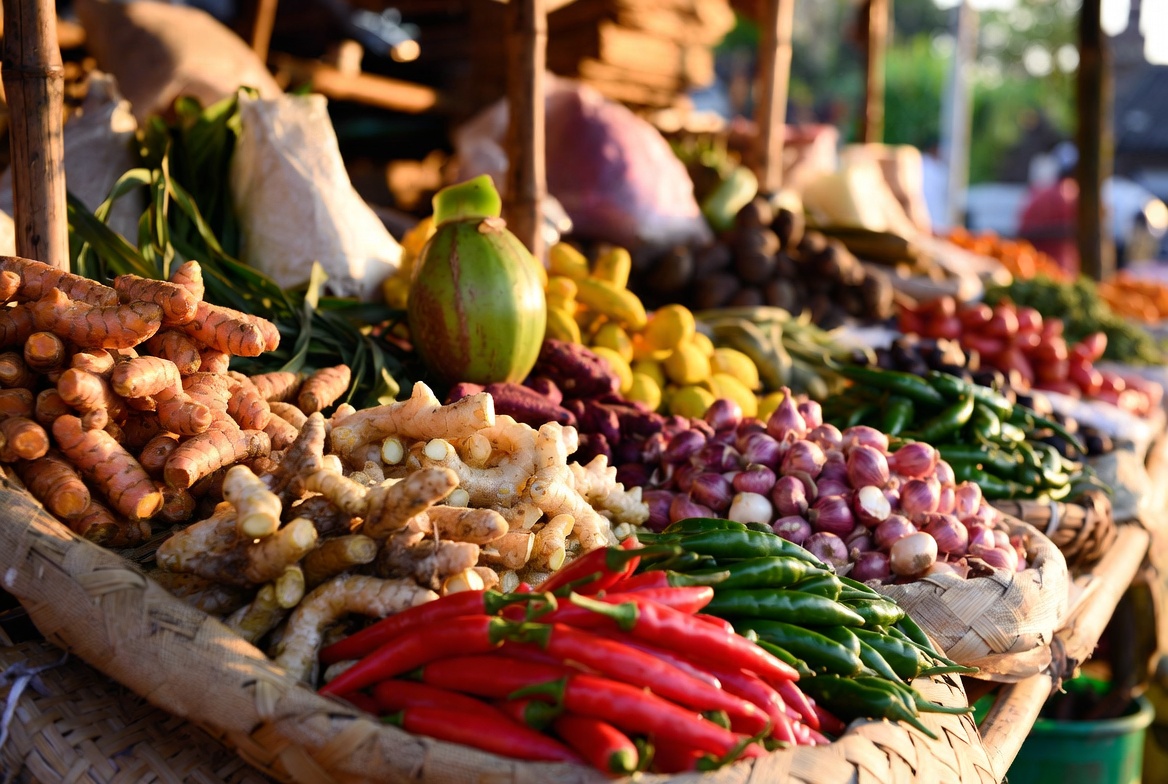
Flavor role
Ginger (jahe) brings warm pungency. In Balinese base genep it partners with galangal rather than replacing it. In many Indonesian stir-fries and drinks, ginger can lead.
Buying & storage
- Choose firm, heavy hands of ginger
- Refrigerate or freeze sliced coins
- Peel lightly as needed
Substitutions
Do not assume ginger equals galangal. If galangal is missing, ginger can partially support warmth while you hunt a better source next shop.
Want to practice this with your hands on the mortar? Start at the cooking class Bali hub, then book an in-villa session via myCHEF cooking class.
Frequently asked questions
Is ginger the same as galangal?
No—related but distinct. Galangal is sharper and more pine-citrus.
Can I use ground ginger?
For some braises; fresh is better in pastes.
Young vs mature ginger?
Young is milder and juicier; mature is hotter and woodier.
Does Bali use a lot of ginger?
Yes within pastes, usually alongside other rhizomes.
Ginger for sambal matah?
Not classic; keep matah focused on shallot-chili-lemongrass.
How to avoid stringy ginger?
Slice across fibers finely or bruise for simmering and remove.
Ginger tea vs cooking ginger?
Same rhizome, different cuts and quantities.
Storage duration?
Weeks in fridge if dry; longer frozen.
Peeling required?
Often yes for mature skin; young ginger may need less.
Pairings?
Garlic, chili, turmeric, palm sugar, coconut milk dishes.
Related guides
Galangal in Balinese Cooking
Flavor role, buying tips, storage, and substitutions for Balinese cooking
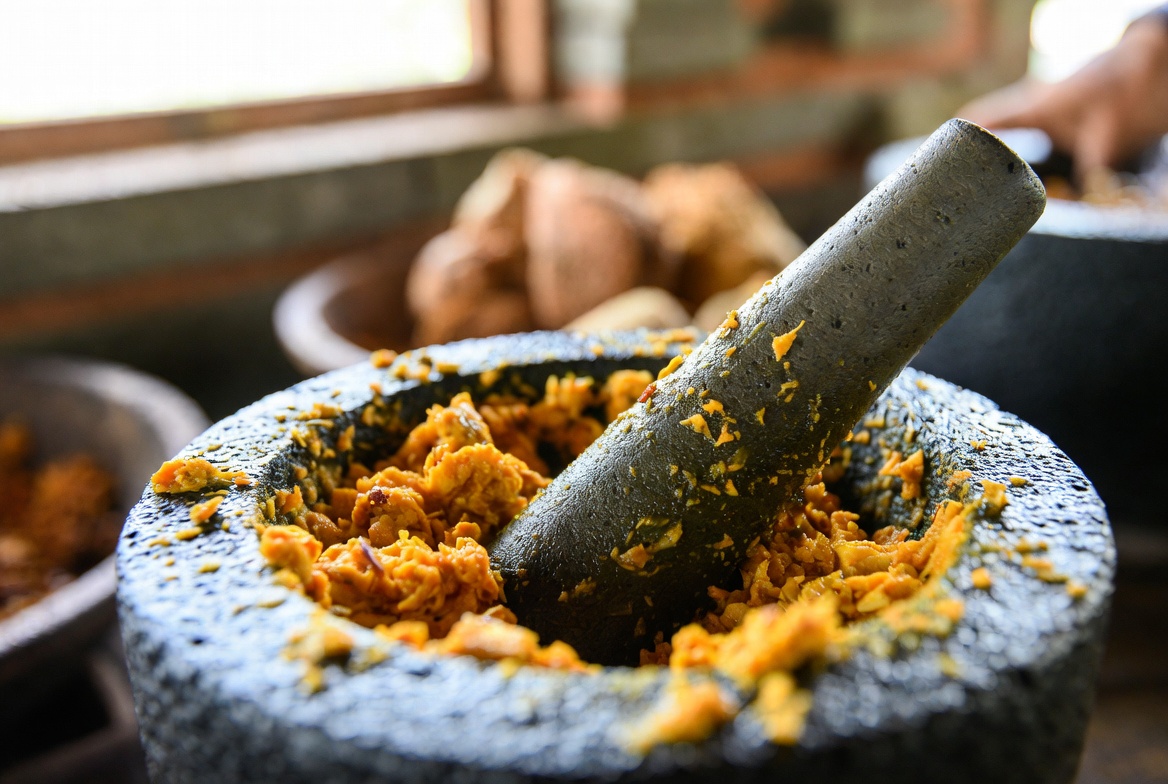
Base Genep (Basa Genep): Bali’s Complete Spice Paste Guide
Ingredients, practical ratios, mortar vs blender, frying cues, storage, and the dishes it unlocks
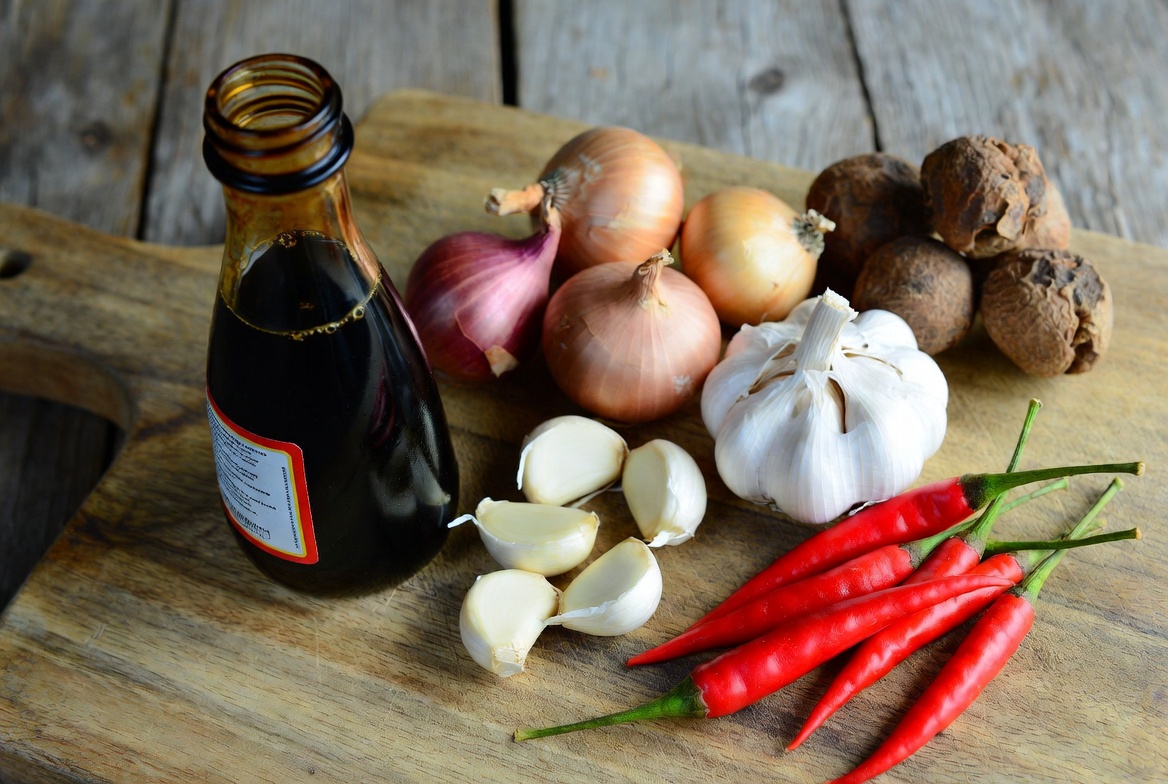
Indonesian Ingredients Glossary for Home Cooks
Kecap manis, terasi, galangal, palm sugar, tempeh, and more—decoded
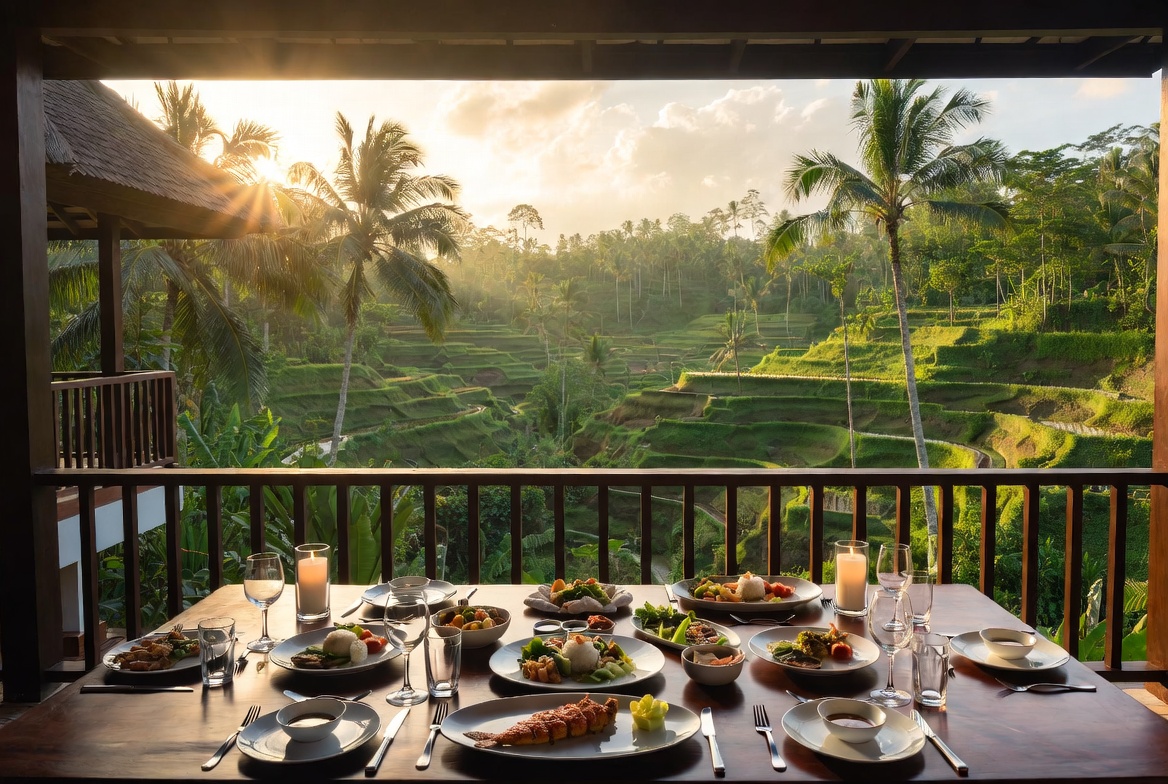
How Much Does a Cooking Class in Bali Cost? (2026)
Group, private, in-villa, and resort bands — what the headline price hides, and how to get an all-in quote
Is a Cooking Class in Bali Worth It?
When paste literacy beats a US$3 warung lunch — and when you should skip the class
Private Chef or Cooking Class in Bali? How to Choose
A chef who cooks for you versus a chef who teaches you — cost per group, villa logistics, and when to book both