Indonesian Ingredients Glossary for Home Cooks
Kecap manis, terasi, galangal, palm sugar, tempeh, and more—decoded
Each ingredient entry on this site goes deeper. This page is the map: what it tastes like, why it matters, and what happens if you skip it.
How to use this glossary
Each ingredient entry on this site goes deeper. This page is the map: what it tastes like, why it matters, and what happens if you skip it.
Foundational seasonings
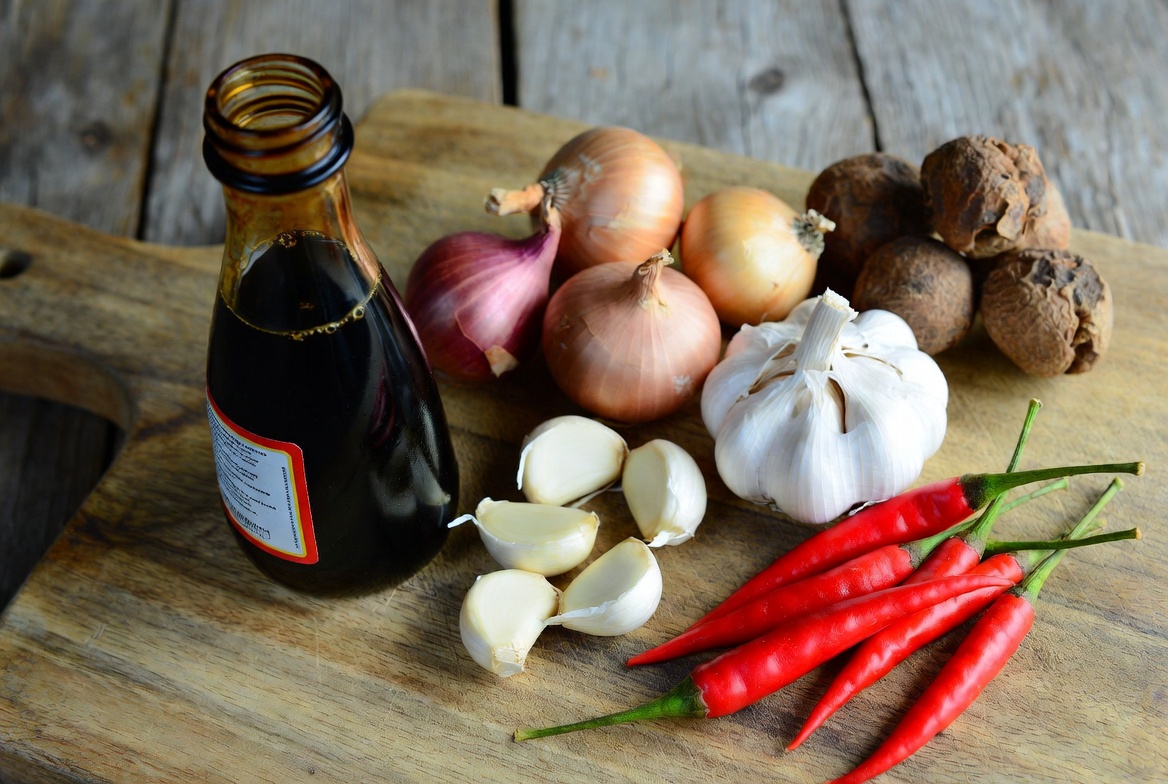
- Kecap manis — sweet thick soy; color and glaze
- Light soy sauce — salt backbone
- Terasi / shrimp paste — deep savory bass
- Palm sugar — rounded sweetness for balance
- Tamarind — sour lift in many sauces and soups
Aromatics & rhizomes
- Shallots — sweeter allium base than large onions
- Galangal — piney, citrus-sharp rhizome
- Turmeric — color and earth
- Lemongrass — perfume for pastes and grills
- Kaffir/makrut lime leaves — floral citrus
- Kencur — Balinese-leaning perfume note
Proteins & ferments
- Tempeh — fermented soybean cake, pan-fried glory
- Tofu — soft to firm textures across dishes
- Salted fish / dried seafood elements — regional umami
Substitution ethics
Substitutions should be labeled as adaptations. A macadamia can stand in for candlenut; it does not become candlenut. Keep a notes file so you can reverse-engineer closer authenticity later.
Want to practice this with your hands on the mortar? Start at the cooking class Bali hub, then book an in-villa session via myCHEF cooking class.
Frequently asked questions
What ingredient changes Indonesian food the most if missing?
Often shallot-chili aromatic bases, kecap manis in many weeknight dishes, and shrimp paste in traditional savory profiles.
Where can I buy these outside Indonesia?
Asian grocers, Indonesian shops, and reputable online spice sellers.
Is galangal the same as ginger?
No. Related but different flavor; ginger is only a partial substitute.
How do I store shrimp paste?
Airtight, cool, and preferably after roasting small portions as needed.
Kecap manis vs soy sauce?
Kecap manis is sweeter and thicker; not a 1:1 swap.
Do I need a mortar?
Helpful, not mandatory for every dish.
Fresh vs powder turmeric?
Fresh preferred; powder acceptable with adjusted expectations.
Is palm sugar just brown sugar?
Similar role, different aroma; brown sugar is an approximation.
Tempeh bitter?
Slice thin, cook adequately; freshness matters.
How do Balinese pastes differ in pantry terms?
More emphasis on fresh rhizomes, candlenut, and combinations like base genep—see Balinese pantry guide.
Related guides
Indonesian Food: The Complete Educational Guide
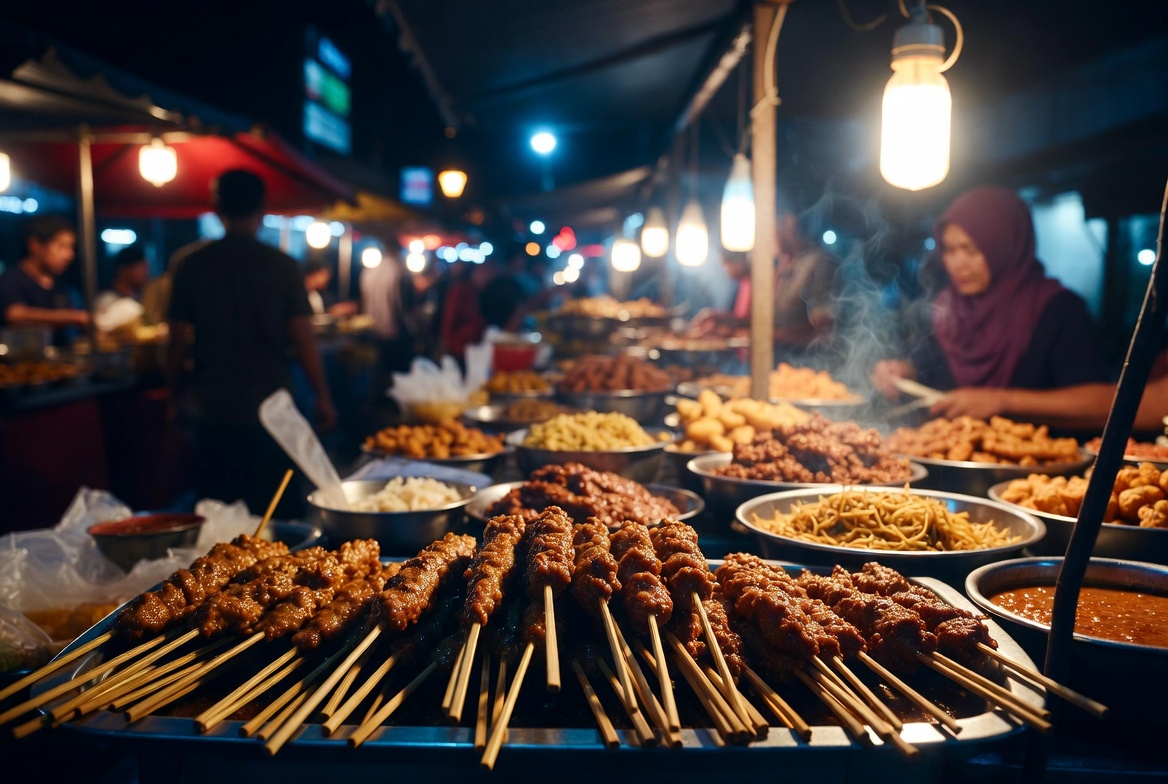
Archipelago cuisines, core techniques, essential dishes, ingredients, and how Bali fits the bigger map
The Balinese Pantry: Ingredients from Market to Home
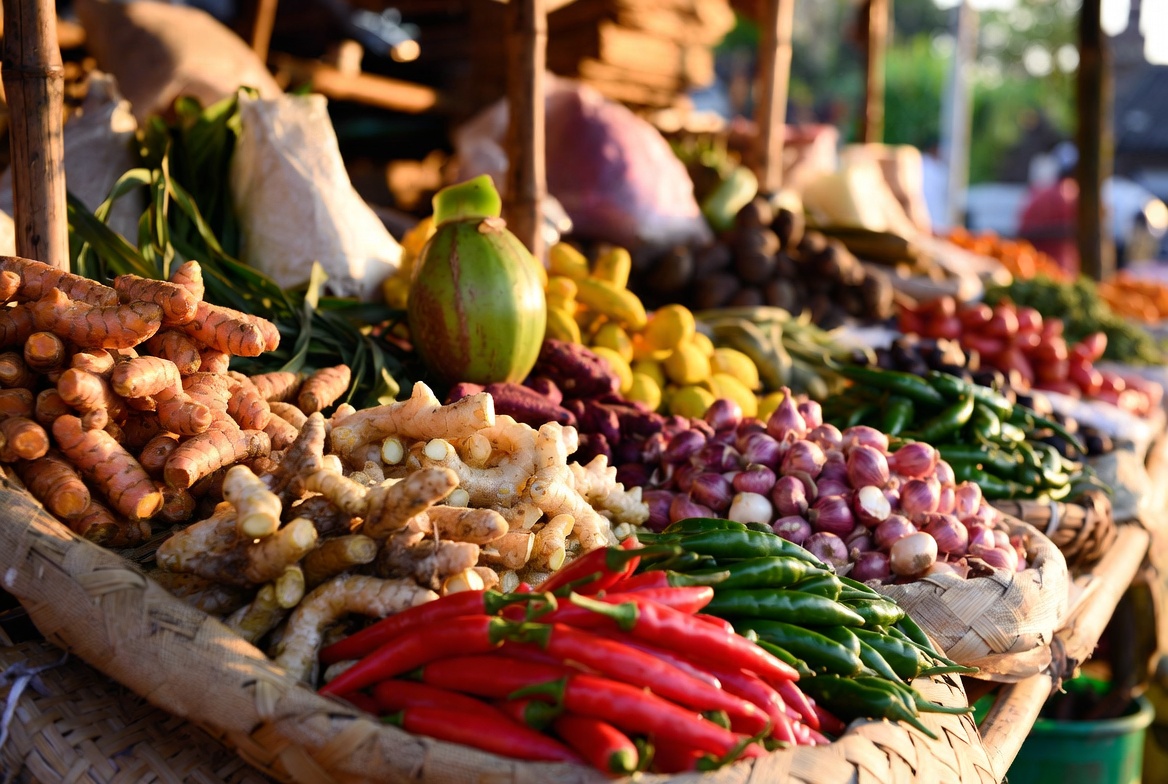
What to buy, what keeps, and what to substitute outside Indonesia
Base Genep (Basa Genep): Bali’s Complete Spice Paste Guide
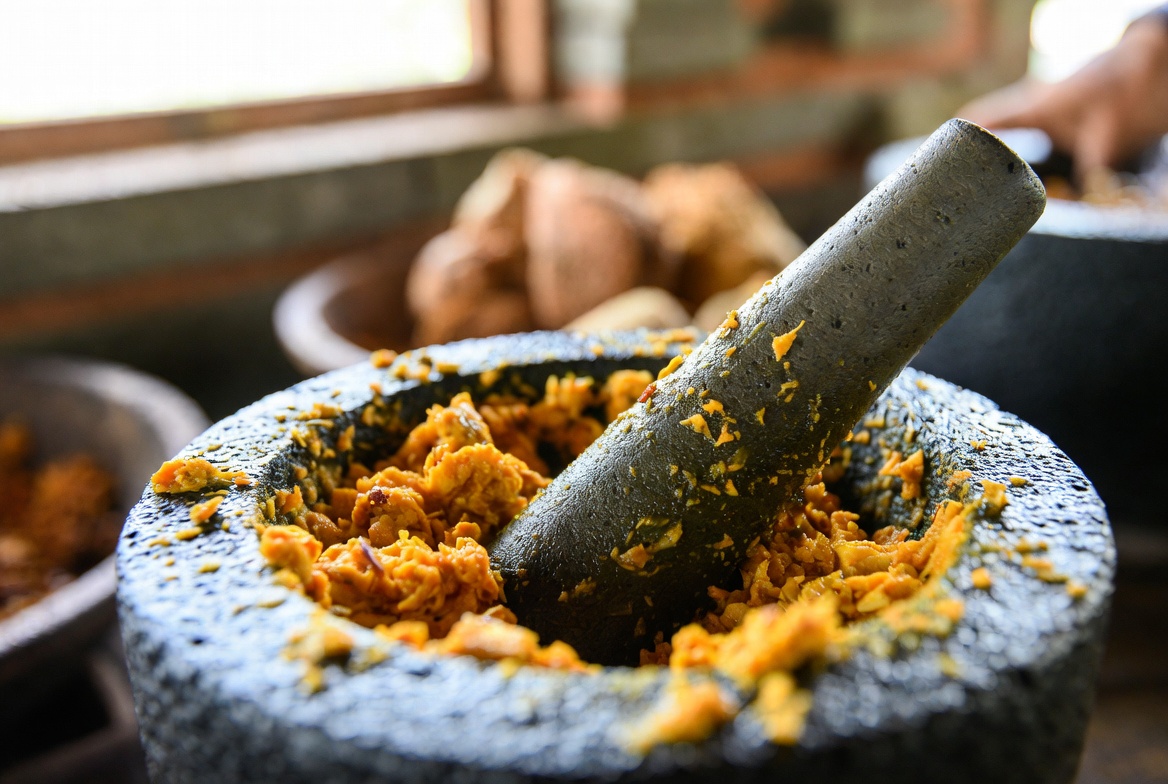
Ingredients, practical ratios, mortar vs blender, frying cues, storage, and the dishes it unlocks
Shrimp Paste (Terasi) in Bali Cooking
Flavor role, buying tips, storage, and substitutions for Balinese cooking

How Much Does a Cooking Class in Bali Cost? (2026)
Group, private, in-villa, and resort bands — what the headline price hides, and how to get an all-in quote
Is a Cooking Class in Bali Worth It?
When paste literacy beats a US$3 warung lunch — and when you should skip the class