Indonesian Sate vs Balinese Sate Lilit
Skewers, sauces, mince techniques, and how to taste the difference
Sate (satay) across Indonesia often means marinated pieces grilled on bamboo with regional sauces—peanut sauce is famous but not universal. Balinese sate lilit is typically minced, highly seasoned, and wrapped around lemongrass or flat skewers.
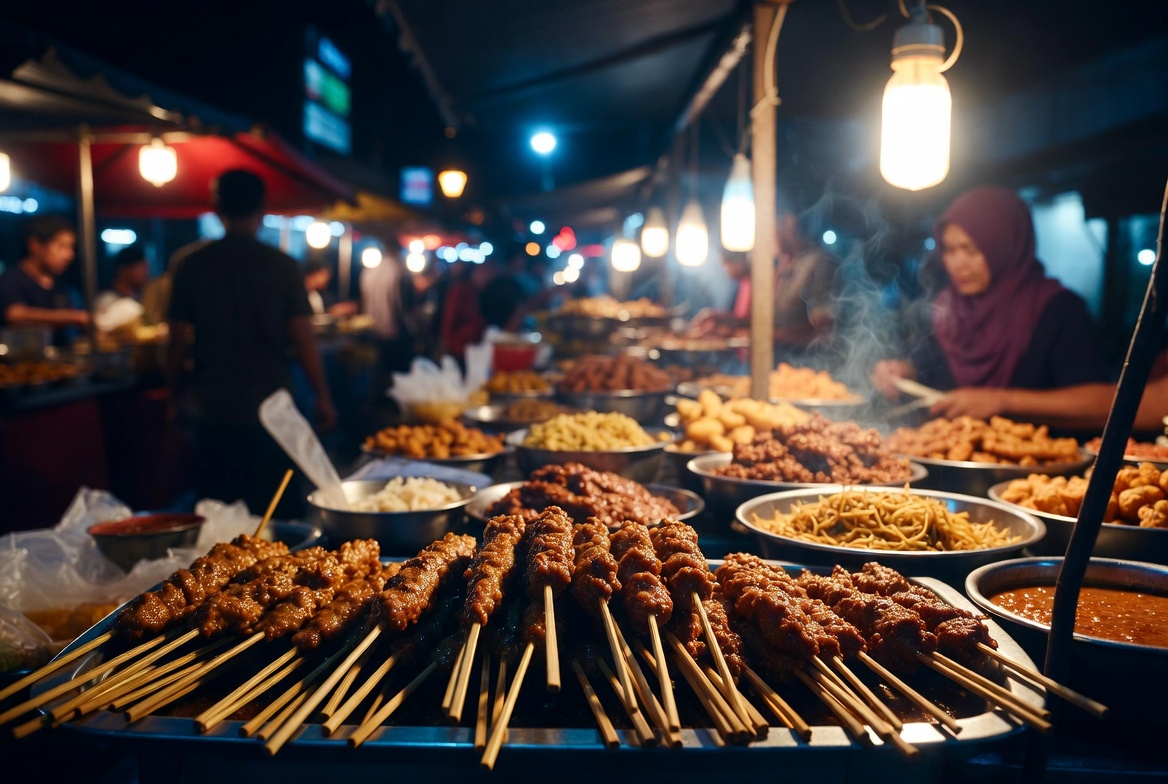
Same family, different dialects
Sate (satay) across Indonesia often means marinated pieces grilled on bamboo with regional sauces—peanut sauce is famous but not universal. Balinese sate lilit is typically minced, highly seasoned, and wrapped around lemongrass or flat skewers.
Tasting checklist
- Texture: cube vs mince
- Sauce: peanut, sweet soy, sambal, or dry spice
- Aromatics: lemongrass, lime leaf, base pastes
- Heat source: charcoal perfume matters
Cook’s takeaway
If you can grill sate pieces and form sate lilit without crumbling, you understand two core Indonesian fire techniques: marinade caramelization and sticky mince binding.
Want to practice this with your hands on the mortar? Start at the cooking class Bali hub, then book an in-villa session via myCHEF cooking class.
Frequently asked questions
Is peanut sauce required for sate?
No. Many regional sates use other dressings or sweet soy glazes.
What makes sate lilit stick?
Fine mince, fat content, seasoning paste, and chilling before grilling.
Can I use metal skewers?
Yes for practice; lemongrass adds aroma when available.
Chicken or fish for lilit?
Both appear; fish is classic in many Bali versions.
Street sate tips?
Busy grill, cooked through, condiments you can control.
Is sate Indonesian or Thai?
Satay appears across Southeast Asia with local forms; Indonesia has deep diverse traditions.
Best side for sate?
Rice or lontong, cucumber, sambal or sauce.
How salty should marinade be?
Season to taste after grilling a test piece; sugar burns if too heavy.
Can sate be oven-broiled?
Yes as approximation; charcoal is ideal.
Where to learn lilit shaping?
Technique pages and hands-on Bali classes help more than photos alone.
Related guides
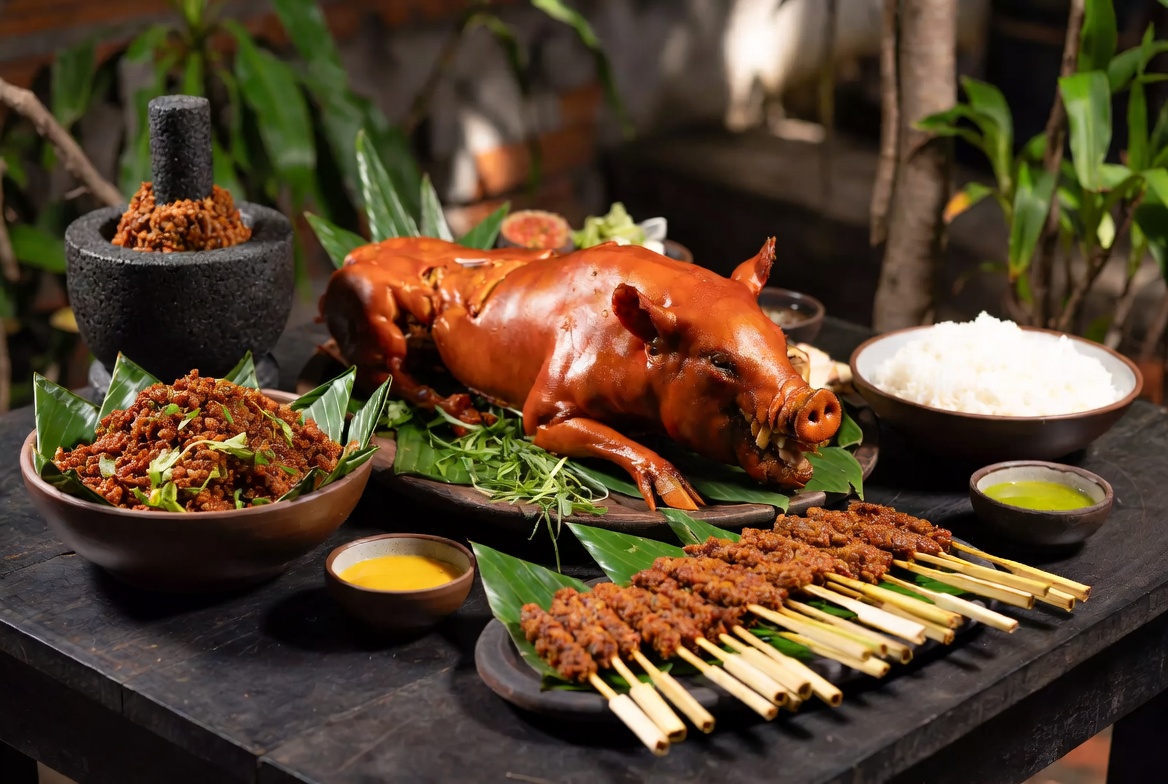
Sate Lilit Recipe: Balinese Minced Satay on Lemongrass
The minced, aromatic satay that defines Bali’s grill culture
Indonesian Street Food Guide: How to Taste with Confidence
Sate, fried snacks, soups, sweet stalls, and smart traveler habits
Indonesian Food: The Complete Educational Guide
Archipelago cuisines, core techniques, essential dishes, ingredients, and how Bali fits the bigger map

How Much Does a Cooking Class in Bali Cost? (2026)
Group, private, in-villa, and resort bands — what the headline price hides, and how to get an all-in quote
Is a Cooking Class in Bali Worth It?
When paste literacy beats a US$3 warung lunch — and when you should skip the class
Private Chef or Cooking Class in Bali? How to Choose
A chef who cooks for you versus a chef who teaches you — cost per group, villa logistics, and when to book both