Gado-Gado Recipe: Indonesian Vegetable Salad with Peanut Sauce
Blanched vegetables, tofu-tempeh, egg, and a serious peanut sauce
Gado-gado fails when everything is soggy or the sauce is only sweet peanut butter soup. Aim for contrasting textures: blanched vegetables still lively, crisp elements, and a sauce that is savory, sweet, tangy, and chili-warm.
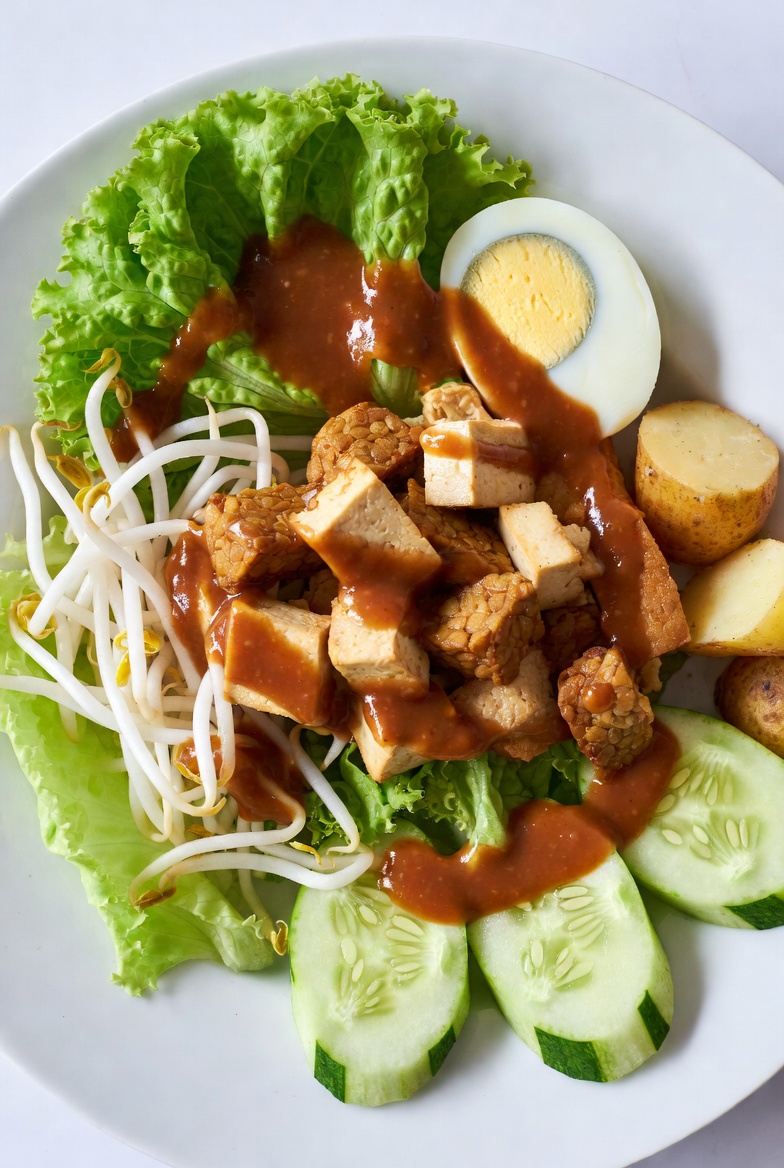
Composition over chaos
Gado-gado fails when everything is soggy or the sauce is only sweet peanut butter soup. Aim for contrasting textures: blanched vegetables still lively, crisp elements, and a sauce that is savory, sweet, tangy, and chili-warm.
Core components
- Vegetables: cabbage, beansprouts, long beans, potato, cucumber
- Proteins: fried tofu, tempeh, boiled egg
- Sauce: ground peanuts, garlic, chili, palm sugar, tamarind or lime, salt, water to texture
- Toppings: crackers, fried shallots
Method outline
- Prep and fry tofu/tempeh; boil eggs; blanche vegetables; drain well.
- Make sauce: blend/pound peanuts with aromatics; season; thin to pourable.
- Arrange components; dress generously but don’t drown crunch.
- Finish with crackers and shallots; serve immediately.
Make-ahead
Keep sauce and wet vegetables separate until serving. Sauce thickens as it sits—loosen with warm water and retaste salt/acid.
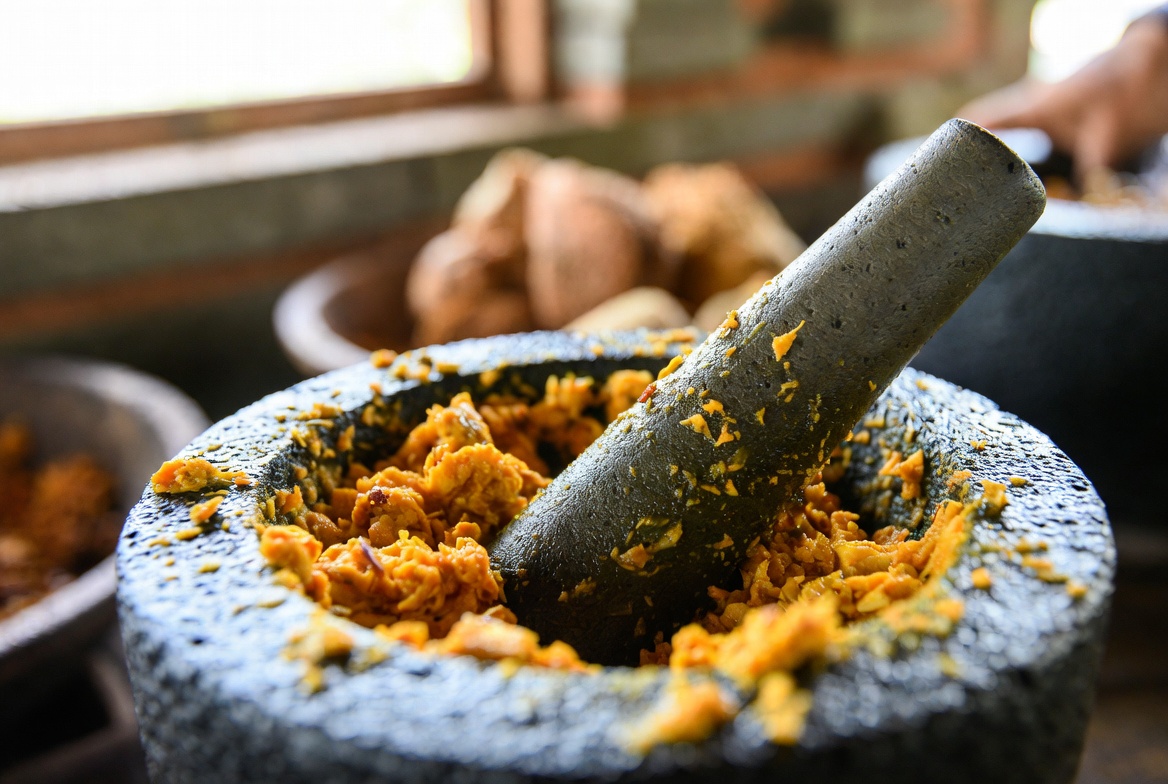
Want to practice this with your hands on the mortar? Start at the cooking class Bali hub, then book an in-villa session via myCHEF cooking class.
Frequently asked questions
Is gado-gado served hot or cold?
Often room temperature to warm components with sauce; not a chilled Western salad.
Peanut butter instead of peanuts?
Possible emergency; flavor and texture differ from freshly ground peanuts.
Is it vegan?
Use vegan sauce components and skip egg.
What crackers?
Krupuk varieties are common.
Can I prep for meal prep?
Yes—store parts separately for best texture.
How spicy is traditional sauce?
Varies; chili is adjustable.
Lontong or rice?
Some versions include rice cakes (lontong); rice on the side also works.
Allergy note?
Peanuts are central—offer alternatives only as a different dish, not true gado-gado.
Why is my sauce bitter?
Burnt garlic/chili or poor peanuts; remake gently.
Jakarta vs other styles?
Regional plating and sauce textures vary across Indonesia.
Related guides
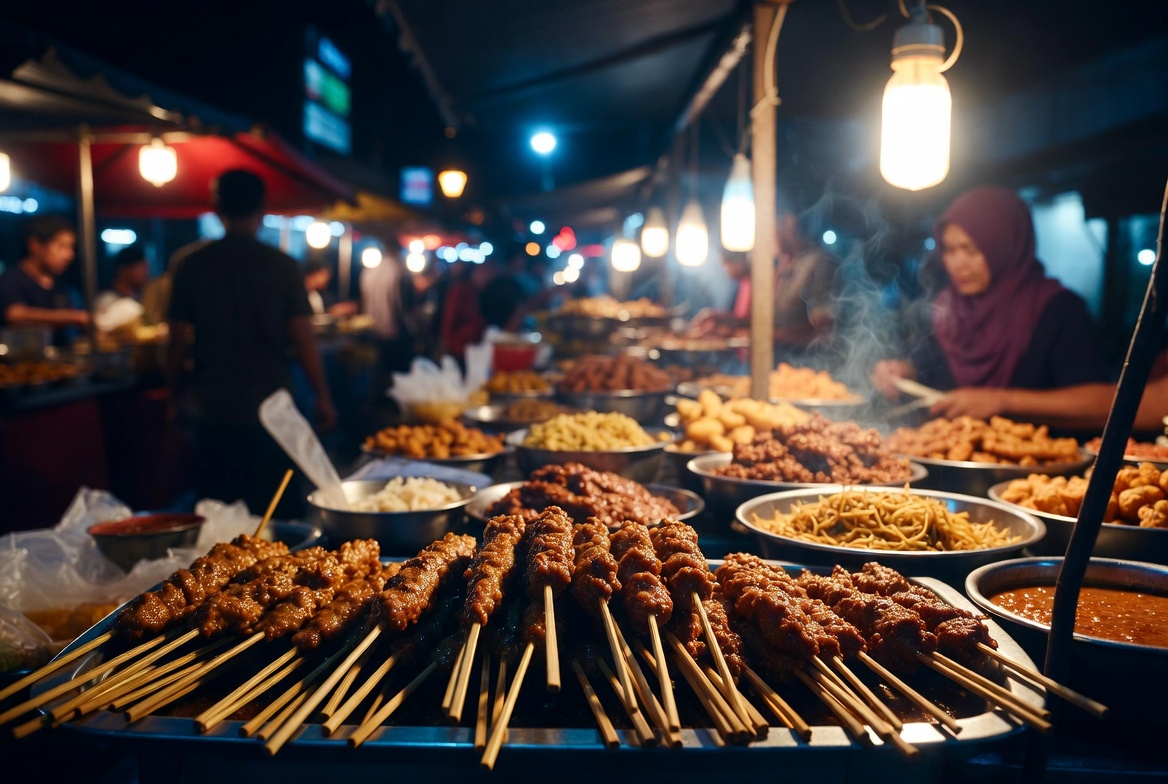
Indonesian Food: The Complete Educational Guide
Archipelago cuisines, core techniques, essential dishes, ingredients, and how Bali fits the bigger map
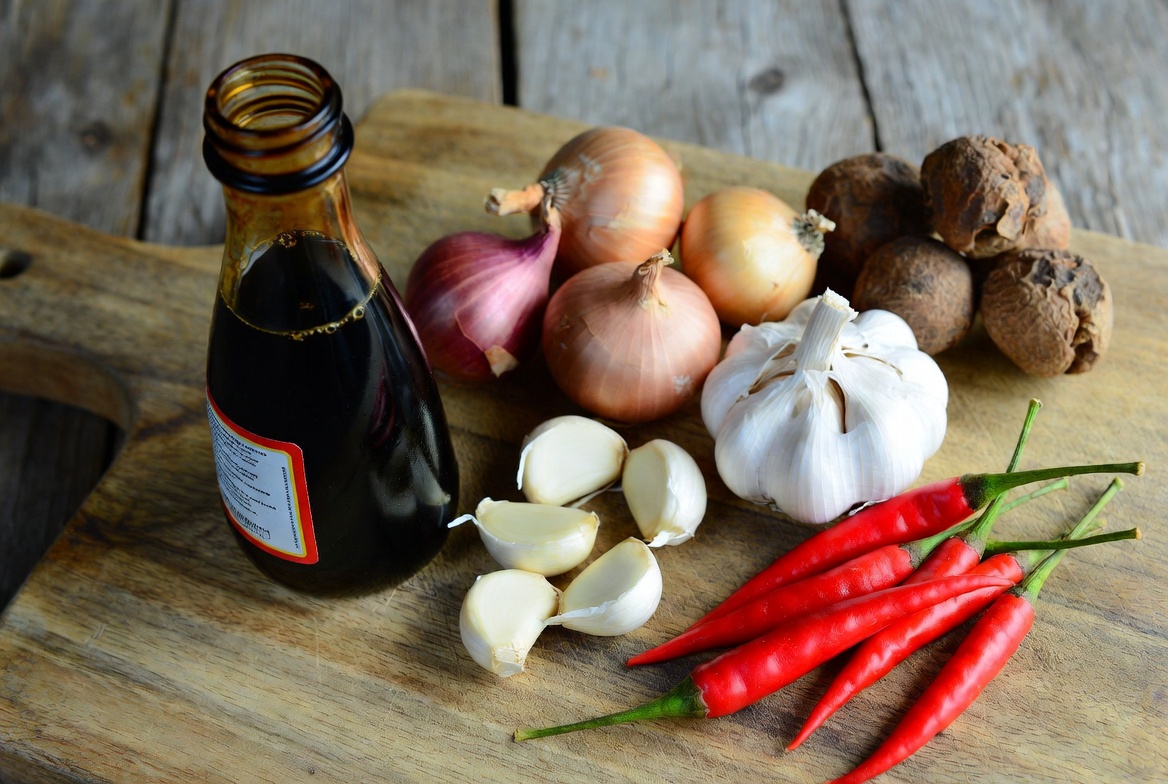
Indonesian Ingredients Glossary for Home Cooks
Kecap manis, terasi, galangal, palm sugar, tempeh, and more—decoded
Vegan and Vegetarian Balinese Cooking
What you actually cook when terasi, stock, and ceremonial meat come off the board
How Much Does a Cooking Class in Bali Cost? (2026)
Group, private, in-villa, and resort bands — what the headline price hides, and how to get an all-in quote
Is a Cooking Class in Bali Worth It?
When paste literacy beats a US$3 warung lunch — and when you should skip the class
Private Chef or Cooking Class in Bali? How to Choose
A chef who cooks for you versus a chef who teaches you — cost per group, villa logistics, and when to book both