Nasi Campur vs Nasi Goreng: What Each Plate Is For
Composition versus wok technique — why Bali’s mixed rice and Indonesia’s fried rice are not interchangeable dishes
Nasi goreng is fried rice — a wok technique. Nasi campur is mixed rice — a composed plate of rice plus several sides. In Bali, nasi campur Bali is a tasting map of the kitchen, not a single stir-fry.
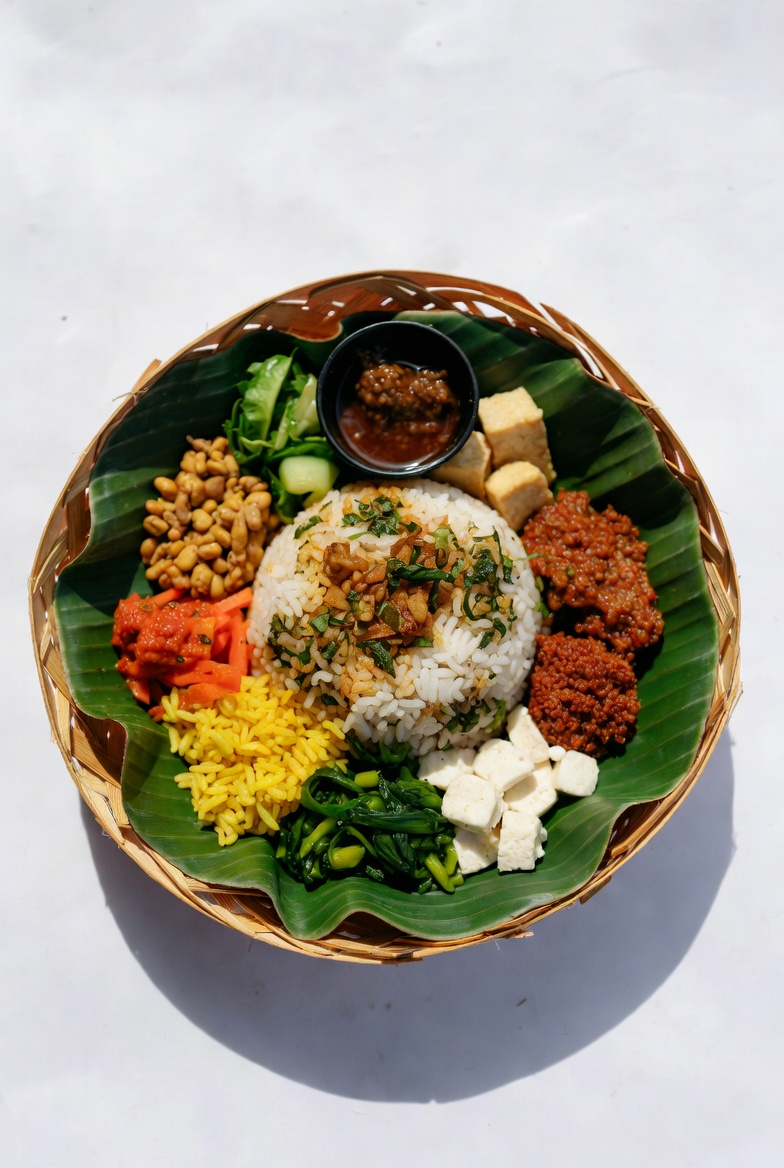
Two different jobs
Nasi goreng answers: what do I do with leftover rice and a hot wok? Nasi campur answers: how do I eat several small dishes with rice at once? Confusing them is why travelers think every rice plate in Indonesia is “fried rice with toppings.”
Nasi goreng — technique first
Good nasi goreng starts with cold rice, hot fat, and a seasoning paste or kecap profile that coats grains without turning them wet. The egg, crackers, and pickles are supporting roles. It is one dish with variations.
Nasi campur — composition first
Nasi campur is a tray or plate architecture: a rice mound plus several sides. In Bali that often means a protein, a vegetable coconut side, crackers, sambal, and something fried. The skill is balance across the tray, not wok hei.
What to cook at home
Cook nasi goreng when you have leftover rice and 20 minutes. Build nasi campur when you have two or three leftover Balinese sides and want a complete meal. The second is how home Bali eating actually works after a cooking day.
Want to practice this with your hands on the mortar? Start at the cooking class Bali hub, then book an in-villa session via myCHEF cooking class.
Frequently asked questions
Is nasi campur just leftover nasi goreng?
No. The rice in nasi campur is usually steamed, not fried. The identity is the set of sides.
What is nasi campur Bali specifically?
A Balinese mixed-rice plate that often includes local sambal, a spiced protein, and vegetable sides such as urab or lawar-style salads. Exact contents change by warung.
Related guides
Nasi Campur Bali: How to Build the Perfect Plate
Composition, side dishes, and the art of balance on one tray
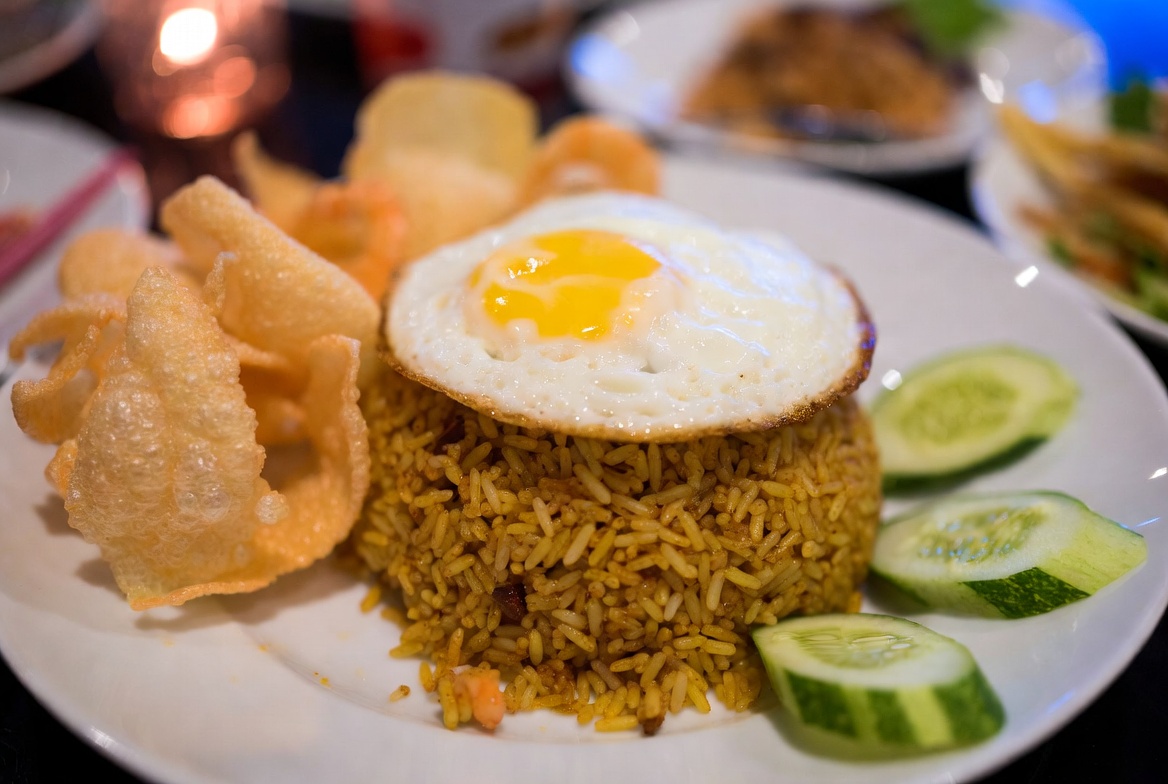
Nasi Goreng: Authentic Indonesian Fried Rice Guide
Wok heat, kecap manis, leftover rice, and regional variations
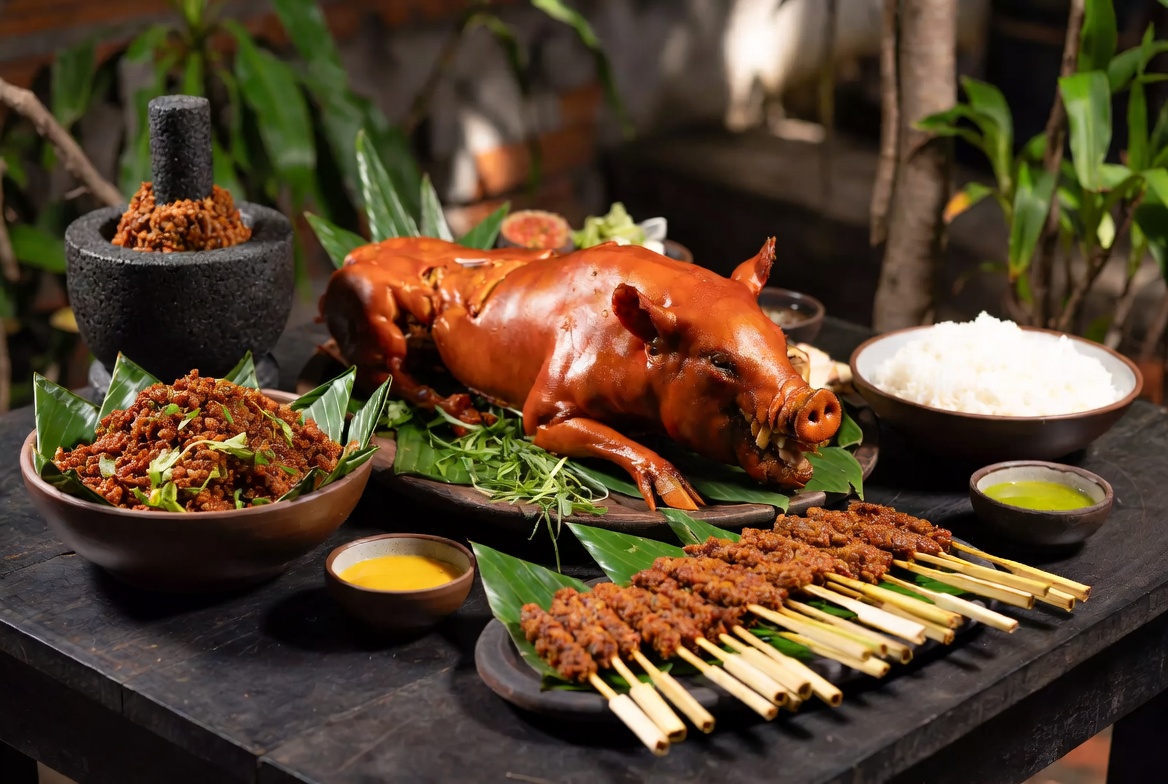
Balinese Cuisine: The Complete Guide
History, philosophy, base genep, ceremonial feasts, daily warung food, regional differences, and how to cook Bali flavors at home
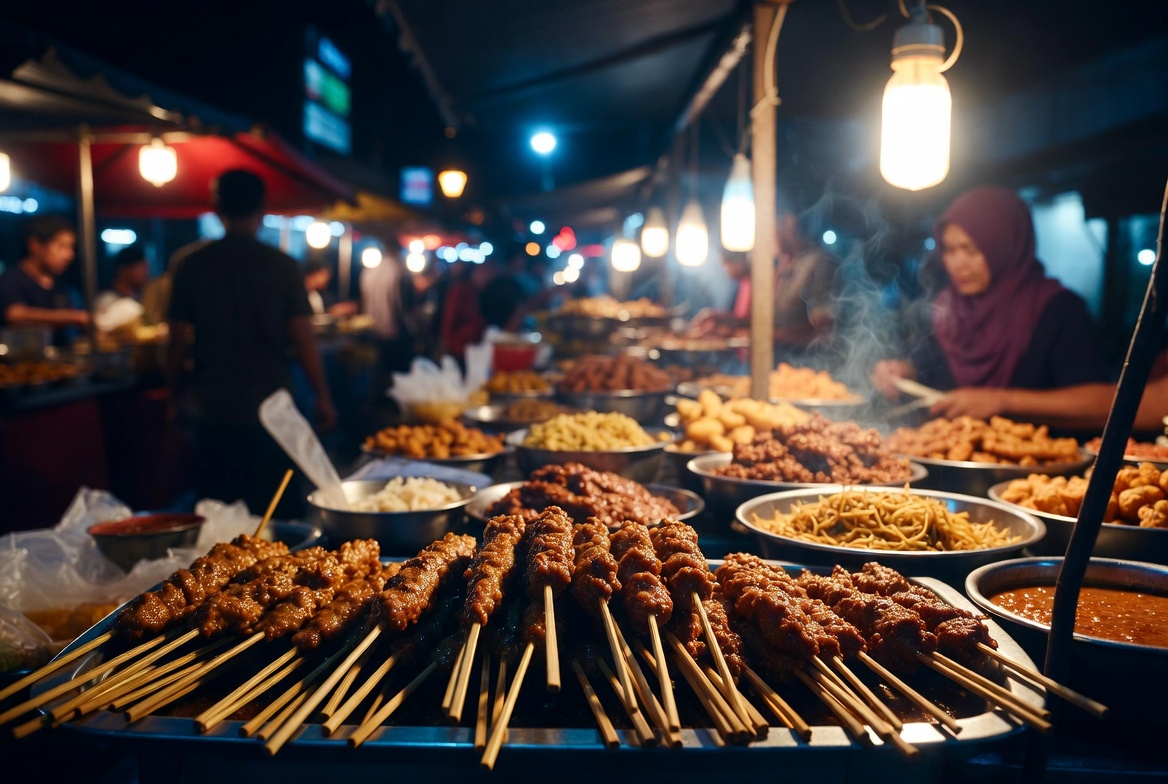
Indonesian Food: The Complete Educational Guide
Archipelago cuisines, core techniques, essential dishes, ingredients, and how Bali fits the bigger map
Warung Culture: Everyday Balinese Eating
Culture, context, and meaning behind the Balinese table
How Much Does a Cooking Class in Bali Cost? (2026)
Group, private, in-villa, and resort bands — what the headline price hides, and how to get an all-in quote