Beef Rendang Guide: Slow Coconut Spice Mastery
Minangkabau roots, stages of reduction, and home-oven patience
Rendang is proudly associated with Minangkabau (West Sumatra) culinary tradition. It is not a Balinese dish, though you will find it across Indonesia and on Bali menus. Learning rendang teaches reduction, coconut management, and long spice cooking.
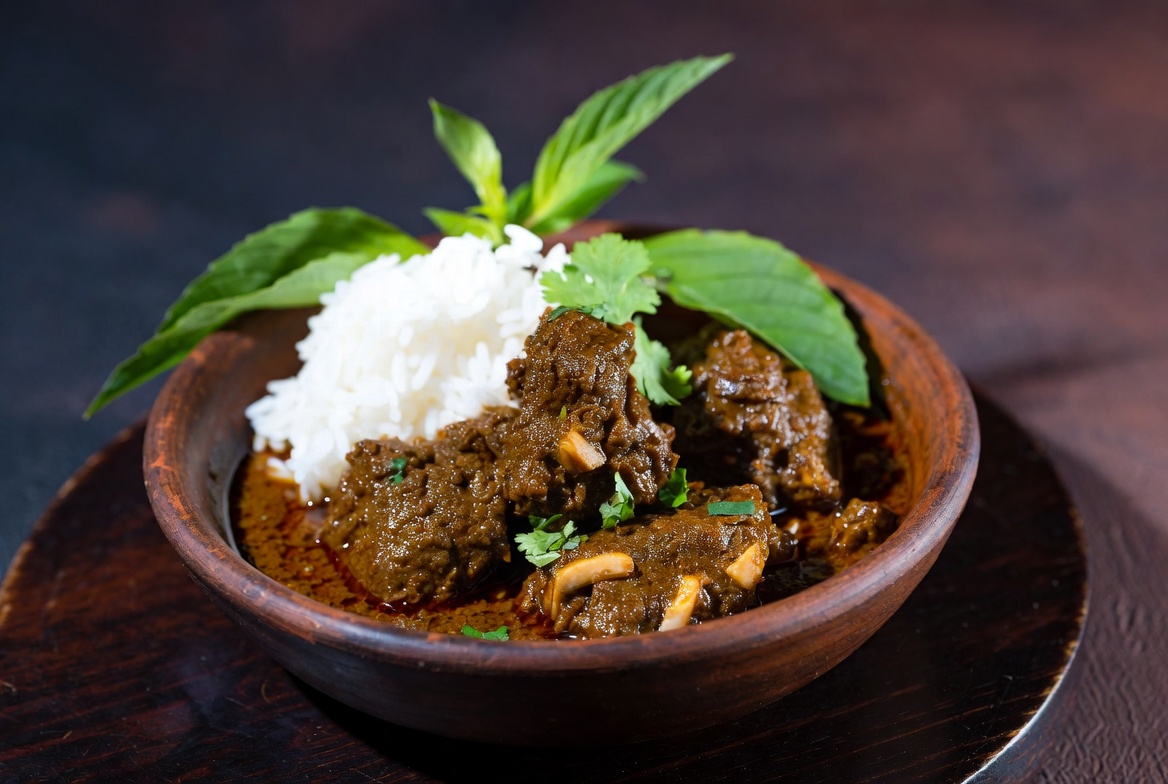
Respect the origin
Rendang is proudly associated with Minangkabau (West Sumatra) culinary tradition. It is not a Balinese dish, though you will find it across Indonesia and on Bali menus. Learning rendang teaches reduction, coconut management, and long spice cooking.
The stages (mental model)
Cooks often describe a journey from soupy aromatic coconut braise toward thicker kalio and finally drier, darker rendang as liquid reduces and oils separate. Home cooks should decide which stage they are targeting rather than rushing “dark brown” with burnt heat.
Home success principles
- Well-marbled beef suitable for long cooking
- Paste fried/bloomed properly before long simmer
- Patience on medium-low heat with frequent attention near the end
- Salt and sweetness balanced against rice
- Better day-two flavor after rest
Serving
Steamed rice is standard. A fresh raw vegetable side or simple sambal can cut richness. For travelers in Bali, tasting rendang and Balinese lawar/betutu on different nights teaches regional contrast.
Want to practice this with your hands on the mortar? Start at the cooking class Bali hub, then book an in-villa session via myCHEF cooking class.
Frequently asked questions
Is rendang Balinese?
No. It is strongly associated with Minangkabau cuisine, though popular nationwide.
How long does rendang take?
Often several hours; it is a slow reduction project.
Can I use a pressure cooker?
Some cooks do for tenderness, then reduce uncovered for flavor concentration.
Why is my rendang bitter?
Possible scorched paste or spices; keep heat controlled in late reduction.
Chicken rendang?
Exists as adaptations; traditional prestige version is often beef.
How do I store it?
Cool quickly, refrigerate, reheat gently; many freeze portions.
What coconut milk?
Full-fat coconut milk is standard for body.
Is it always dry?
Styles range; some serve wetter stages. Know your target.
Spice level?
Aromatic heat varies; adjust chili without deleting the spice base.
Best side dishes?
Rice and fresh crunchy vegetables or simple salads.
Related guides
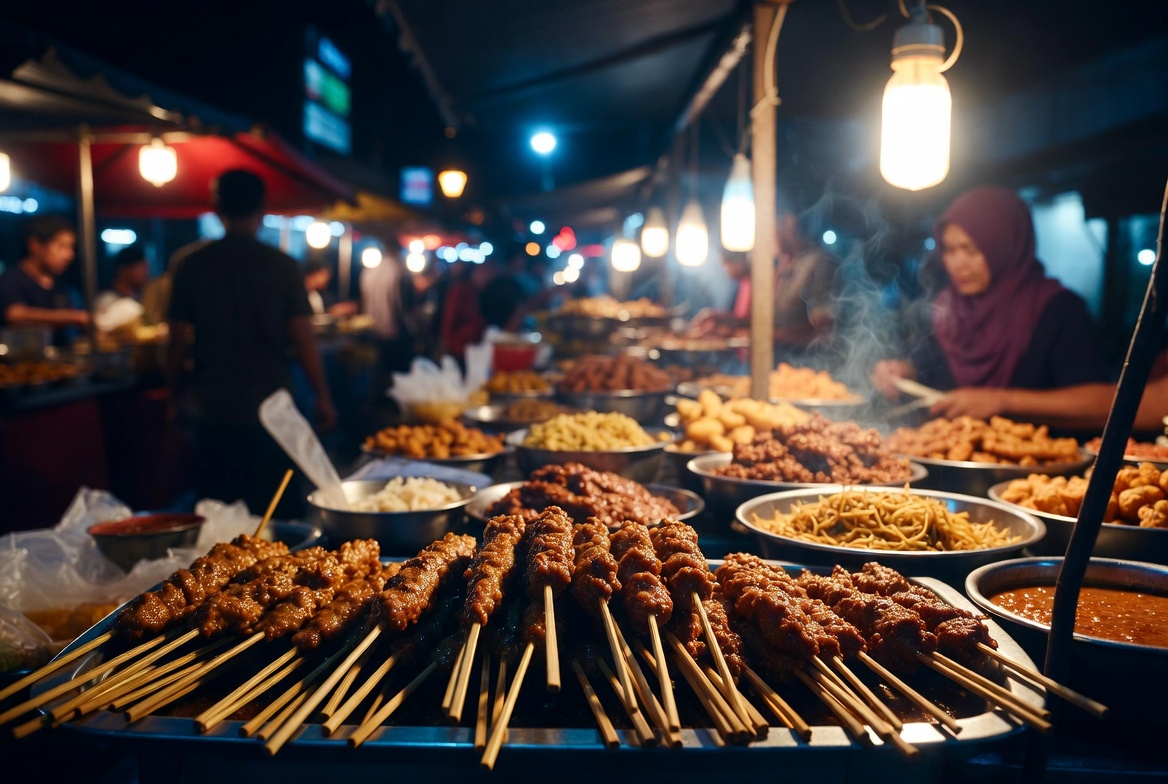
Indonesian Food: The Complete Educational Guide
Archipelago cuisines, core techniques, essential dishes, ingredients, and how Bali fits the bigger map
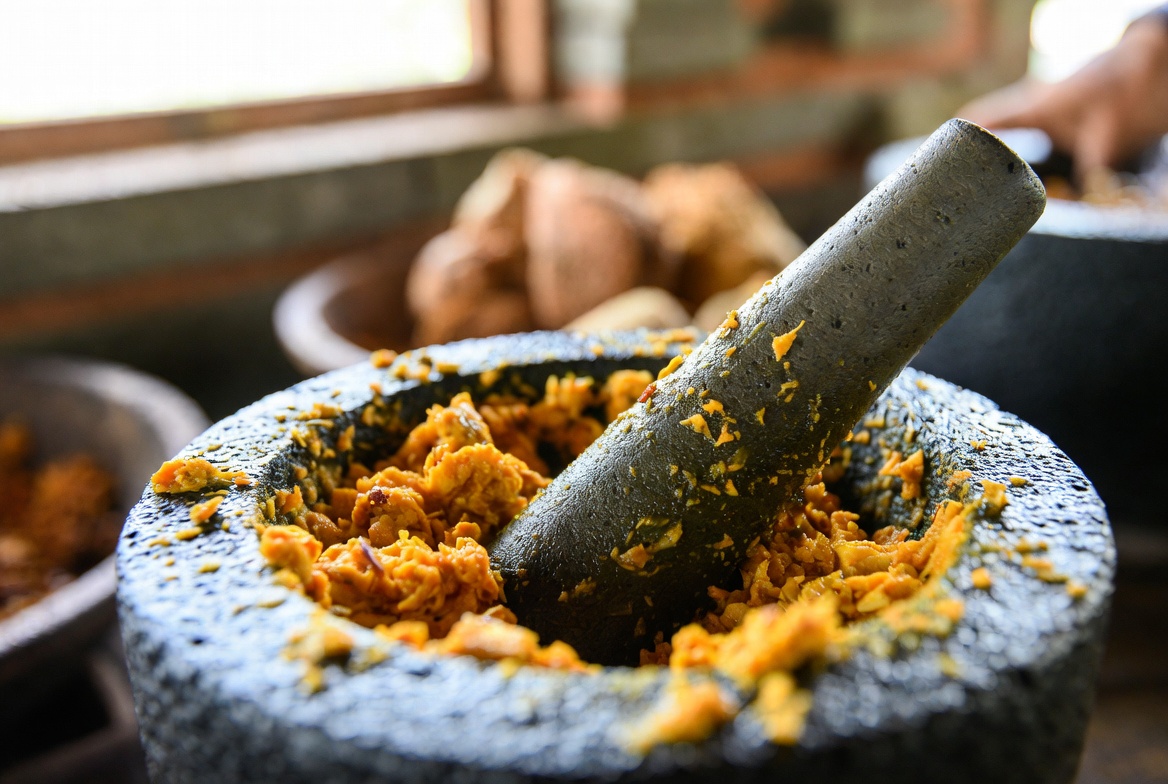
Balinese Cooking Techniques
Mortar pounding, banana-leaf wrapping, slow spice cooking, and fire methods
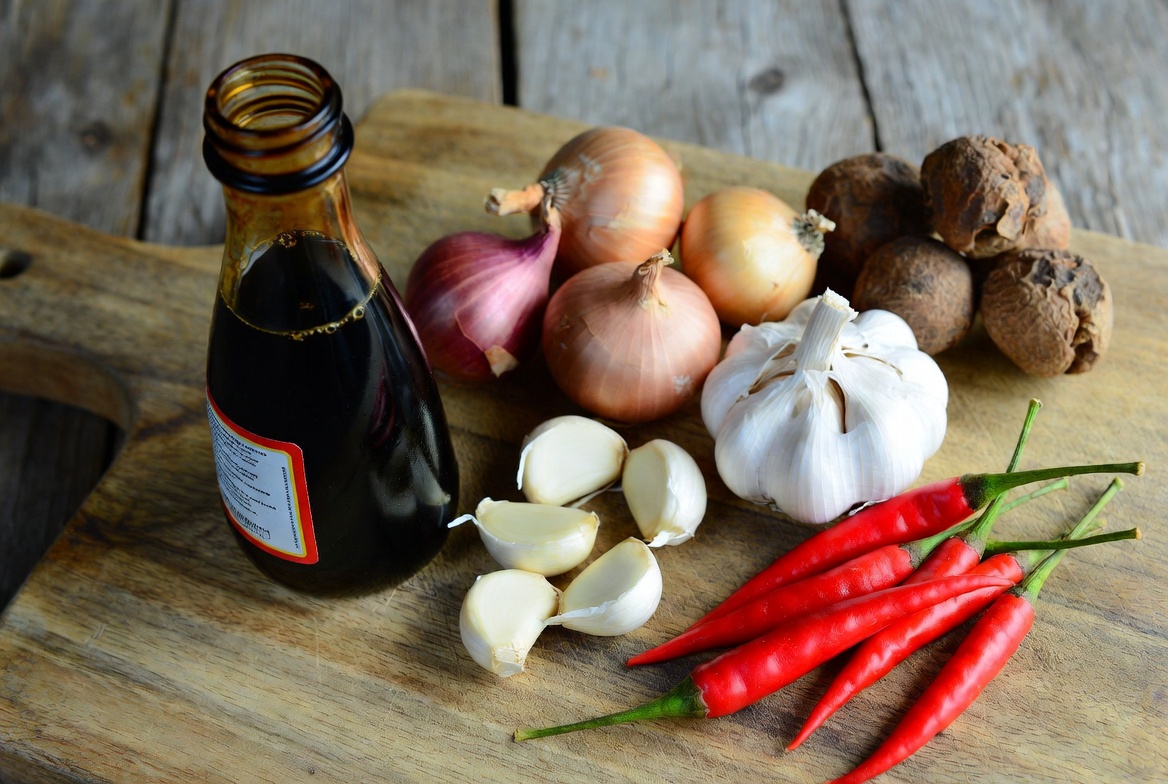
Indonesian Ingredients Glossary for Home Cooks
Kecap manis, terasi, galangal, palm sugar, tempeh, and more—decoded
How Much Does a Cooking Class in Bali Cost? (2026)
Group, private, in-villa, and resort bands — what the headline price hides, and how to get an all-in quote
Is a Cooking Class in Bali Worth It?
When paste literacy beats a US$3 warung lunch — and when you should skip the class
Private Chef or Cooking Class in Bali? How to Choose
A chef who cooks for you versus a chef who teaches you — cost per group, villa logistics, and when to book both